
Trump Backing Fails to Lock South Carolina GOP Primary

Cover image from latimes.com, which was analyzed for this article
Trump's influence looms in key GOP races including the Georgia Senate runoff and South Carolina governor primary. Candidates vie for his backing amid signs of party dynamics ahead of midterms.
PoliticalOS
Sunday, June 7, 2026 — Politics
Trump’s endorsement of Pamela Evette in the South Carolina governor primary produced limited visible movement according to one candidate’s account. Independent polling and reactions from the rest of the field remain unreported in the available coverage, leaving the practical impact of the endorsement unverified.
What outlets missed
No outlet supplied recent public polling from Citadel or Trafalgar showing Mace’s standing in the South Carolina field. Coverage of the Trump endorsement did not include fundraising totals or voter-turnout projections for the June 9 primary. The connection between the Epstein Files Transparency Act vote and the endorsement decision received mention in one report but lacked statements from other candidates on the same issue.
California Democrats Hold Ground in Primary as Party Grapples With Voter Discontent
California voters delivered a measure of continuity in Tuesday’s gubernatorial primary, with former attorney general Xavier Becerra emerging as the leading Democrat and advancing alongside Republican Steve Hilton to the November runoff. The outcome underscored both the resilience of mainstream party figures and the persistent challenges they face in a state where voters remain frustrated with housing costs, homelessness and the pace of climate adaptation.
Becerra, who served as health secretary under President Biden and earlier as California’s attorney general, benefited from name recognition and institutional support in a race that lacked high-profile stars after an earlier scandal disrupted the field. Billionaire climate activist Tom Steyer mounted a well-funded challenge from the left, but he trailed Hilton and appeared headed for third place. The results echoed patterns elsewhere in the state, where incumbent Mayor Karen Bass in Los Angeles also advanced despite criticism from progressive challengers who argued that city leadership has been too slow to address entrenched problems.
The race highlighted California’s distinctive role within the Democratic coalition. As the nation’s most populous state and a frequent counterweight to federal policy under President Trump, it has used its regulatory and budgetary levers to expand social programs and environmental standards. Yet polls have shown sustained dissatisfaction with outcomes on affordability and public safety, creating openings for candidates who promise sharper departures from the status quo. Becerra’s advancement suggests that Democratic primary voters, for now, remain more comfortable with experienced administrators than with outsiders promising sweeping resets.
New Mexico offered a parallel test of party infrastructure. Former Interior Secretary Deb Haaland secured the Democratic nomination for governor, positioning her to become the first Native American woman elected to the office if she wins the general election in the reliably Democratic-leaning state. Haaland’s background in federal land management and tribal affairs aligns with New Mexico’s reliance on oil and gas revenue to fund expansive social initiatives, including universal child care and free college tuition. The contest there drew less national attention but illustrated how Democrats in resource-rich states are attempting to translate energy wealth into durable safety-net programs ahead of leadership transitions.
In South Carolina, the Republican primary for governor revealed fractures within the other party. Representative Nancy Mace positioned her campaign as independent of White House preferences after President Trump endorsed Lieutenant Governor Pamela Evette. Mace described the contest as a “dog fight,” arguing that grassroots conservatives had not rallied strongly behind the endorsed candidate. The episode underscored ongoing tensions between Trump-aligned forces and elected Republicans who have occasionally diverged on issues such as congressional transparency measures.
Taken together, the primaries point to a period of consolidation rather than realignment for Democrats. Establishment-backed candidates have largely cleared early hurdles, yet surveys continue to register voter unease with the results of long-term Democratic governance on core quality-of-life metrics. The November matchups will test whether those candidates can convert institutional advantages into convincing arguments about competence and direction, particularly in states where demographic and economic pressures show little sign of easing.
You just read Liberal's take. Want to read what actually happened?
More in Politics
Trump at 32% Approval as Gas Prices Test GOP Midterm Hopes
NYT/Siena polling showed Trump's approval at historic lows around 32 percent with Democrats leading by double digits in key districts. Early voting has surged in battleground states.

Record Early Voting Hits Battlegrounds, Shifting Partisan Shares
AP analysis found hundreds of thousands more early ballots than in 2022 in states including Texas, Ohio, Kansas, Maine, and North Carolina, shifting partisan dynamics.
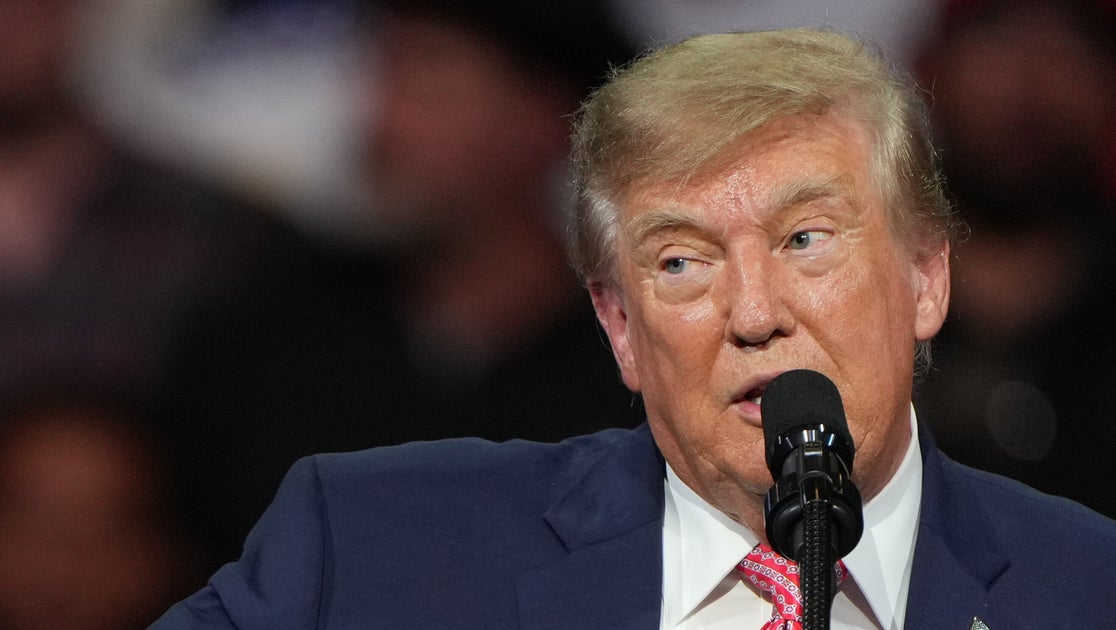
Trump Backs Marshall in Kansas Senate Race Tightened by Farm Costs
President Trump rallied in deep-red Kansas for GOP Sen. Roger Marshall in a competitive race, announcing an $8 billion farm fuel relief program amid high diesel prices. Democrats see an opening to end 94 years of GOP dominance in the state.

Trump Pauses Russia Sanctions Amid Ukraine Tensions and Missile Strikes
Trump waived sanctions on Russia and floated trilateral talks with Putin and Xi as part of ending the Ukraine war, while tensions rose with Zelenskyy over Starlink and arms. Bipartisan senators engaged Zelenskyy amid the shifts.
The Compass
You just read five takes on one story.
What's your take? Find your political shape in a few minutes.
Take the test