
GOP Amasses Cash Edge for 2026 Midterms Amid Enthusiasm Warnings
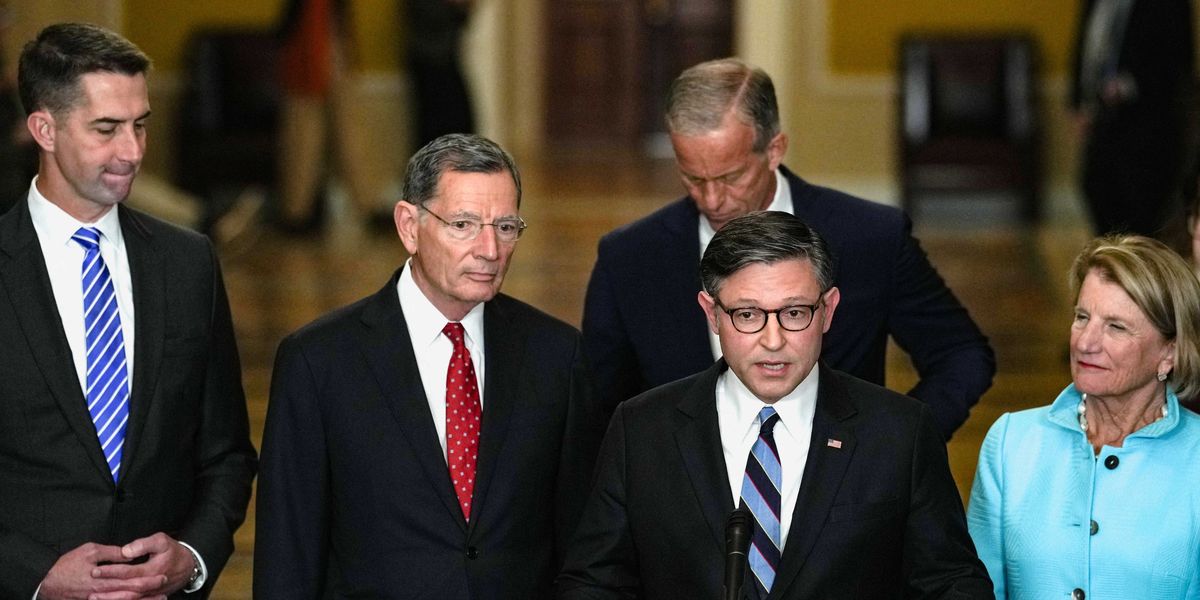
Cover image from rawstory.com, which was analyzed for this article
GOP fundraising dwarfs Democrats as 2026 midterms loom, with Republicans crafting a winning message despite left warnings that Trump drags the party down. Analysts note Trump's picks may not mobilize voters. Primaries provide early indicators of the landscape.
PoliticalOS
Tuesday, May 5, 2026 — Politics
Republicans hold a verified, substantial financial advantage heading into the 2026 midterms that could reshape the playing field months ahead of Election Day. At the same time, early primary data and warnings from GOP pollsters point to an enthusiasm gap among moderate Republicans and signs that Trump's endorsements are less potent than in previous cycles. The decisive factor will be whether the party converts its resources into a message that mobilizes its full coalition or whether dissatisfaction with the administration's direction keeps enough voters home to defy the cash edge.
What outlets missed
Most coverage omitted the precise 23 percent primary win rate for Trump-backed challengers as of April 2026 tracked by Ballotpedia, which places current results in the range of typical anti-incumbent efforts rather than a historic collapse. Outlets on both sides underplayed the full scope of Democratic strength in individual Senate race fundraising, where candidates like Georgia's Jon Ossoff reported $14 million in the first quarter against far less for their Republican opponents. Coverage also gave short shrift to Anderson's day job running Echelon Insights, a firm ranked highly for polling accuracy with Republican clients; her warnings function as strategic advice for GOP improvement rather than neutral prediction of defeat. Finally, few pieces noted that small-dollar online fundraising continues to favor Democrats via platforms like ActBlue, which reported $568 million in the first quarter, a metric that fuels turnout infrastructure beyond committee cash totals.
Republicans Build Financial Advantage as Voter Unease with Trump Style Mounts
Republicans enter the 2026 midterm cycle with a formidable financial lead over Democrats that could shield vulnerable incumbents and fund aggressive messaging on border security and economic growth. Yet new polling and primary results signal that President Trump's combative approach is alienating a crucial segment of the party's broader coalition at a time when many of his core policies retain wide appeal.
The National Republican Congressional Committee raised $47.1 million in the first quarter and sits on $78.2 million in cash on hand compared with the Democratic Congressional Campaign Committee's $69.9 million. The Senate Republican committee holds a $43 million to $36.5 million edge. When outside groups and Trump's own MAGA Inc. super PAC are included the GOP advantage swells to nearly $850 million. Democratic committees by contrast carry substantial debt and lag in fundraising totals. This cash disparity reflects structural strengths in donor networks and an early push by party operatives to define battlegrounds before Democrats can consolidate.
That resource edge arrives as the political environment grows more complicated. A longtime Republican pollster writing in the New York Times cautions that the party's most immediate threat comes not from hard-core MAGA loyalists but from what she calls "normie" Republicans. These voters supported Trump in the past but have grown weary of his endless social media feuds and what they view as a focus on personal grievances over governance. Favorability toward the president among Republicans has dropped 10 points since last year. Only 44 percent strongly approve of his performance. The pollster Kristen Soltis Anderson argues this disaffection represents a powerful alarm bell for candidates who must win swing districts and states where suburban and college-educated voters decide outcomes.
Trump's attempts to shape primaries illustrate the limits of his sway. In Indiana he targeted eight GOP state legislators who opposed his redistricting plans. In Kentucky and Louisiana he recruited challengers against longtime critics Rep. Tom Massie and Sen. Bill Cassidy. Endorsed candidates in Alabama and Georgia have also struggled to gain traction. Reports from those races suggest Trump's interventions are not moving voters or donors as they once did. Even some Republicans involved in the contests describe the former president's kingmaker status as having reached its peak. Former Rep. Adam Kinzinger a frequent Trump critic told Politico the movement may be developing an independent mind as the party looks past the Trump era.
These developments occur against the historical pattern that the president's party almost always loses seats in midterms. Trump himself has noted this reality. Yet the data also contain a more encouraging message for Republicans willing to emphasize substance. Polls show that key Trump policies including the deportation of criminal illegal immigrants command strong support across the electorate. Voters appear to separate their views of the president's personal style from the results those policies deliver. Immigration enforcement economic deregulation and skepticism of expansive government programs remain popular even as the president's overall approval has softened.
Democrats meanwhile remain divided over strategy. Some party voices push a purely anti-Trump message while others recognize that voters expect a positive agenda. Rep. Debbie Dingell of Michigan captured the bind when she observed that simply opposing the president is insufficient. Democrats' continued shift leftward on immigration gender issues and spending only heightens their exposure. Reminding the public of those positions carries its own risks.
The path forward for Republicans lies in translating their financial resources into a coherent case for continued policy progress. Thirty years ago Newt Gingrich and the Contract with America offered voters a clear set of priorities that delivered historic gains. Today's environment demands a similar focus on results over rhetoric. Secure borders remain a threshold issue for working-class families who bear the costs of unchecked migration in wages housing and public services. Economic policies that prioritize growth over redistribution continue to demonstrate their value in lifting living standards across income levels. These are not abstract ideological points but empirical observations borne out by decades of data on trade-offs in public policy.
The cash reserves give Republicans the means to define these choices before Democrats can frame the election as a simple referendum on personality. Yet money alone cannot overcome voter fatigue with endless conflict. The "normie" Republicans who form the backbone of the party's governing majority want competence and steadiness. They supported measures that reduced illegal crossings and boosted energy production. They recoil from rhetoric that seems designed to provoke rather than persuade.
How party leaders navigate this tension will shape the midterms. If Republicans lean into the popular elements of the Trump agenda while presenting them through the prism of practical results they can mitigate the president's personal liabilities. The financial head start provides the runway. Whether they use it to highlight measurable improvements in security and prosperity or allow the race to devolve into another round of grievance politics will determine if the cash advantage translates into votes. Early primary signals suggest the party's base is not marching in lockstep and that reality may ultimately prove healthy for a coalition that must expand beyond its most fervent core to hold power.
You just read Conservative's take. Want to read what actually happened?
More in Politics
Trump at 32% Approval as Gas Prices Test GOP Midterm Hopes
NYT/Siena polling showed Trump's approval at historic lows around 32 percent with Democrats leading by double digits in key districts. Early voting has surged in battleground states.

Record Early Voting Hits Battlegrounds, Shifting Partisan Shares
AP analysis found hundreds of thousands more early ballots than in 2022 in states including Texas, Ohio, Kansas, Maine, and North Carolina, shifting partisan dynamics.
Trump Backs Marshall in Kansas Senate Race Tightened by Farm Costs
President Trump rallied in deep-red Kansas for GOP Sen. Roger Marshall in a competitive race, announcing an $8 billion farm fuel relief program amid high diesel prices. Democrats see an opening to end 94 years of GOP dominance in the state.

Trump Pauses Russia Sanctions Amid Ukraine Tensions and Missile Strikes
Trump waived sanctions on Russia and floated trilateral talks with Putin and Xi as part of ending the Ukraine war, while tensions rose with Zelenskyy over Starlink and arms. Bipartisan senators engaged Zelenskyy amid the shifts.
The Compass
You just read five takes on one story.
What's your take? Find your political shape in a few minutes.
Take the test