
GOP Amasses Cash Edge for 2026 Midterms Amid Enthusiasm Warnings
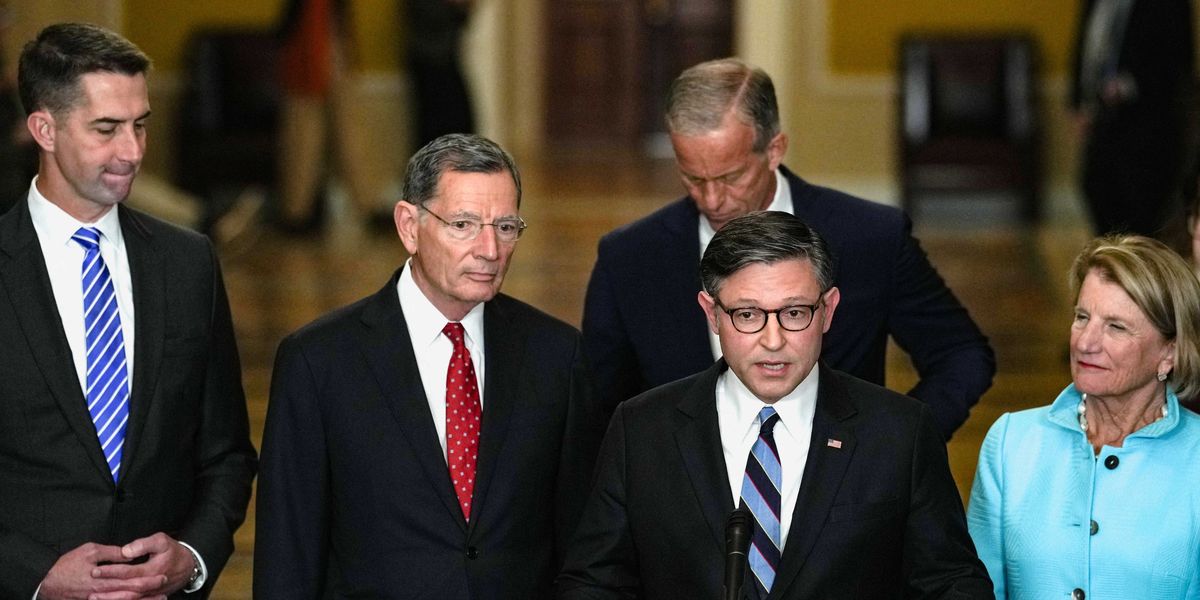
Cover image from rawstory.com, which was analyzed for this article
GOP fundraising dwarfs Democrats as 2026 midterms loom, with Republicans crafting a winning message despite left warnings that Trump drags the party down. Analysts note Trump's picks may not mobilize voters. Primaries provide early indicators of the landscape.
PoliticalOS
Tuesday, May 5, 2026 — Politics
Republicans hold a verified, substantial financial advantage heading into the 2026 midterms that could reshape the playing field months ahead of Election Day. At the same time, early primary data and warnings from GOP pollsters point to an enthusiasm gap among moderate Republicans and signs that Trump's endorsements are less potent than in previous cycles. The decisive factor will be whether the party converts its resources into a message that mobilizes its full coalition or whether dissatisfaction with the administration's direction keeps enough voters home to defy the cash edge.
What outlets missed
Most coverage omitted the precise 23 percent primary win rate for Trump-backed challengers as of April 2026 tracked by Ballotpedia, which places current results in the range of typical anti-incumbent efforts rather than a historic collapse. Outlets on both sides underplayed the full scope of Democratic strength in individual Senate race fundraising, where candidates like Georgia's Jon Ossoff reported $14 million in the first quarter against far less for their Republican opponents. Coverage also gave short shrift to Anderson's day job running Echelon Insights, a firm ranked highly for polling accuracy with Republican clients; her warnings function as strategic advice for GOP improvement rather than neutral prediction of defeat. Finally, few pieces noted that small-dollar online fundraising continues to favor Democrats via platforms like ActBlue, which reported $568 million in the first quarter, a metric that fuels turnout infrastructure beyond committee cash totals.
Republicans Face Warning Signs of Voter Revolt as Trump’s Pull Weakens
Republican leaders are confronting an uncomfortable reality as they prepare for the 2026 midterms: even as the party stockpiles record campaign cash, its coalition is fraying in ways that go beyond the familiar complaints about Donald Trump’s most devoted followers. A longtime GOP pollster is sounding a direct alarm about “normie” Republicans, the pragmatic voters who never fully embraced the MAGA movement and are now actively souring on the party’s direction under Trump’s continued influence.
In a New York Times analysis this week, Kristen Soltis Anderson laid out data that should unsettle Republican strategists more than any Democratic polling lead. The share of Republicans who feel very favorably toward Trump has dropped 10 percentage points since last year. Only 44 percent strongly approve of his performance. These are not fringe defectors. They are the steady, institutionally minded voters who form the backbone of the party in suburban districts and state legislatures. Many explicitly reject the MAGA label and view Trump’s combative social media habits as damaging to the broader conservative cause.
This erosion matters because it is happening at a moment when Trump’s ability to shape Republican primaries, once considered absolute, is visibly diminishing. According to reporting by Politico, the president’s handpicked challengers to GOP incumbents who have crossed him, including long-targeted figures like Rep. Tom Massie of Kentucky and Sen. Bill Cassidy of Louisiana, are struggling to gain traction with voters and donors. Trump’s campaign to punish Indiana state legislators who blocked his redistricting plans has similarly failed to ignite. Even some Republicans involved in these races acknowledge that the MAGA movement appears to be developing an independent identity, less responsive to top-down directives from Mar-a-Lago.
Former Rep. Adam Kinzinger, who became a frequent target of Trump’s attacks after breaking with him, described the situation bluntly: the former president has “hit his max power and now you’re seeing the backside of that power curve.” This comes as Trump enters the lame-duck phase of his second term, a period when history suggests the president’s party almost always suffers losses. Yet the usual midterm dynamics feel more treacherous this cycle because the disaffection is not limited to swing voters. It is spreading inside the Republican tent itself.
The financial picture offers Republicans some insulation. GOP campaign committees have built enormous advantages over their Democratic counterparts. The National Republican Congressional Committee and National Republican Senatorial Committee both hold significant cash-on-hand leads, while outside groups aligned with the party, including super PACs and Trump’s own MAGA Inc., bring the total Republican war chest close to $850 million. That money can fund aggressive advertising and ground games in targeted races. What it cannot easily purchase is renewed enthusiasm from voters who have grown tired of chaos and constant conflict.
Democrats, for their part, remain internally divided about how to capitalize on the moment. Some party strategists push for a purely anti-Trump message, while others argue the electorate needs a positive policy vision. Neither approach looks particularly strong at the moment. Many of Trump’s core initiatives, including aggressive deportation of criminal immigrants, retain broad public support. Yet voters appear to be separating their views on specific policies from their assessment of the president and the party that has tied itself so thoroughly to his persona.
Anderson’s warning about “normie” Republicans gets at something deeper than tactical campaign problems. It points to a structural tension that has defined the GOP since Trump first seized the nomination in 2016. The party’s elected leadership and institutional infrastructure remain largely intact, but the cultural and stylistic transformation pushed by Trump has alienated the very voters who once provided ballast against the party’s more extreme impulses. These voters do not necessarily want to become Democrats. Many still prefer conservative approaches to taxes, regulation and crime. What they increasingly reject is a political brand defined by grievance, personality cults and reflexive combativeness.
This tension will define the next six months of Republican politics. Party leaders must decide whether to lean harder into the Trump-aligned base that remains loyal but limited in size, or attempt to rebuild bridges to the pragmatic conservatives who are drifting away. The financial resources at their disposal give them time and options. The polling data, however, suggests the window for course correction is narrowing.
The 2026 midterms were always going to test whether the Republican Party could consolidate gains from Trump’s 2024 victory or whether his polarizing presence would once again prove a drag on down-ballot candidates. Early signals from both internal GOP polling and primary contests indicate the latter concern is becoming more pronounced. For a party that has spent years dismissing warnings about its direction as liberal wishful thinking, the alarm bells coming from within its own polling shop are harder to wave away. The question now is whether Republican candidates will hear them and adjust, or whether they will discover in November that money alone cannot overcome a deepening voter fatigue with the status quo the party itself has created.
You just read Liberal's take. Want to read what actually happened?
More in Politics

Trump Defends Ramaswamy Ad Using Estranged Mother in Ohio Race
President Trump defended a GOP nominee's ad featuring a Democratic opponent's estranged mother, calling it powerful, while drawing criticism from some Republicans including Ohio Gov. Mike DeWine. The ad has sparked internal GOP tensions ahead of midterms.
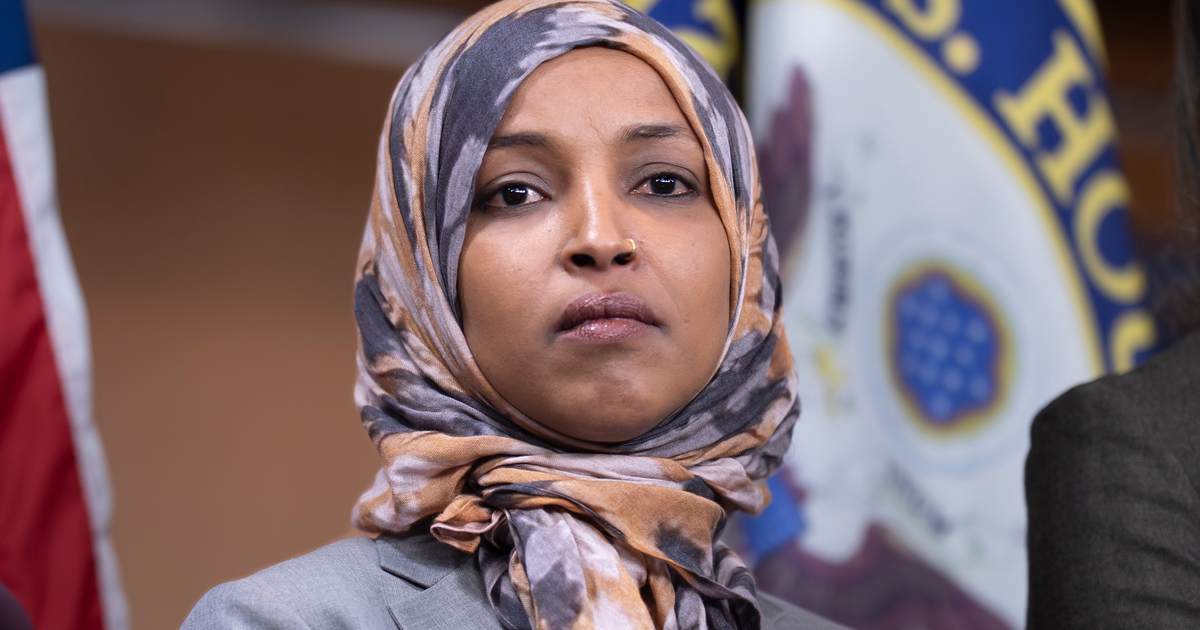
Federal Raid Targets Omar Amid Unresolved Name and Marriage Allegations
Agents searched Rep. Ilhan Omar's DC residence over immigration fraud allegations; she called it bizarre. Reports and commentary questioned her birth name and past marriage details.

Supreme Court Upholds New Hampshire Student ID Voting Ban
The Supreme Court upheld New Hampshire's ban on student IDs as valid voter identification just before midterms, affecting a tight Senate race.
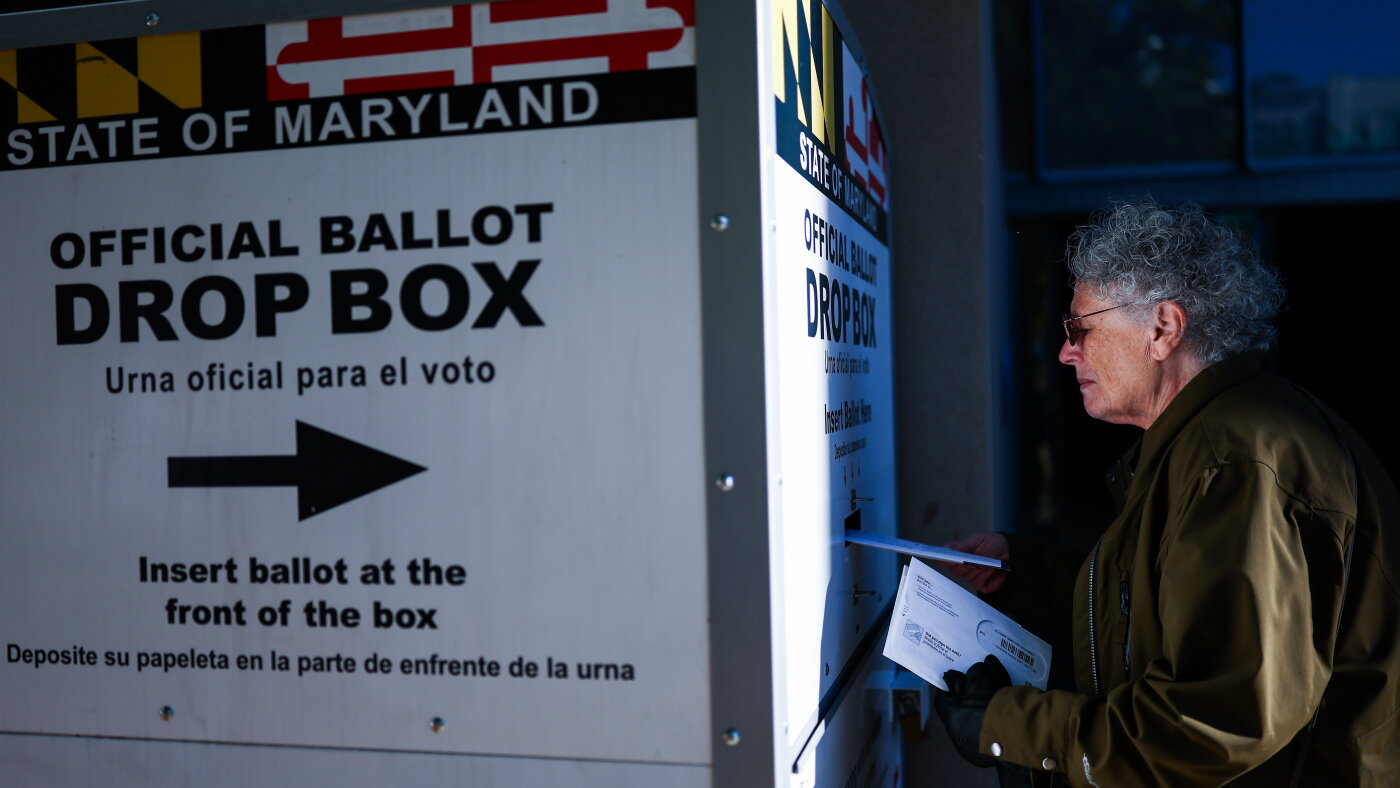
Early Voting Hits 21 Million as Most Trust Midterm Accuracy
Millions have already voted early as parties make final appeals amid $1.4 billion in ad spending; polls show confidence in election accuracy.
The Compass
You just read five takes on one story.
What's your take? Find your political shape in a few minutes.
Take the test