
Houthi missile kills 12 at Riyadh airport, Trump weighs US strikes

Cover image from nbcnews.com, which was analyzed for this article
A missile strike on Riyadh's airport killed 12 and injured over 300, with Houthis claiming responsibility amid Yemen conflict escalation. The attack prompted Saudi closures, US citizen casualties, and Trump weighing military involvement against Iran-backed forces.
PoliticalOS
Sunday, October 11, 2026 — Politics
The Riyadh airport attack has escalated the Yemen conflict into direct threats against Saudi infrastructure and potential U.S. military involvement, while both sides report mounting civilian casualties that remain only partially verified. Energy routes and regional stability now hinge on whether the latest offensive produces lasting gains or further retaliation.
What outlets missed
Most coverage omitted the specific civilian casualty from a government airstrike in Sanaa’s Sa’wan district and the scale of recent internal displacement from Taiz. Few outlets detailed Houthi claims of 91 Yemeni deaths in five weeks or the precise nationalities of all Riyadh victims beyond the American. The continuation of the international energy conference and Saudi requests for interceptor support from multiple countries received limited attention. The pattern of Houthi missile launches from urban areas near civilian sites in Sanaa was rarely connected to targeting decisions.
A Houthi missile strike on King Khalid International Airport in Riyadh killed 12 people and wounded more than 300 on Saturday, marking the deadliest attack on Saudi territory in over a decade. Victims included one American citizen along with nationals of Saudi Arabia, Bangladesh, Egypt, Jordan, Palestine, Syria and Sudan, according to Saudi civil aviation authorities. The strike forced temporary closure of the airport, shifted Riyadh schools to remote learning and prompted renewed Houthi warnings that Saudi airports remain targets except those in Mecca and Medina.
The attack occurred amid renewed fighting in Yemen after the collapse of a 2022 truce. Saudi-backed Yemeni government forces launched Operation Dawn of Yemen on October 4 to recapture Houthi-held territory, including areas along the Red Sea coast. Houthi forces have responded with cross-border strikes while tightening sieges around Taiz and disputing government claims of advances. Saudi-led coalition airstrikes have hit Sanaa, killing at least one child in the Sa’wan area and prompting civilian stockpiling of food and fuel.
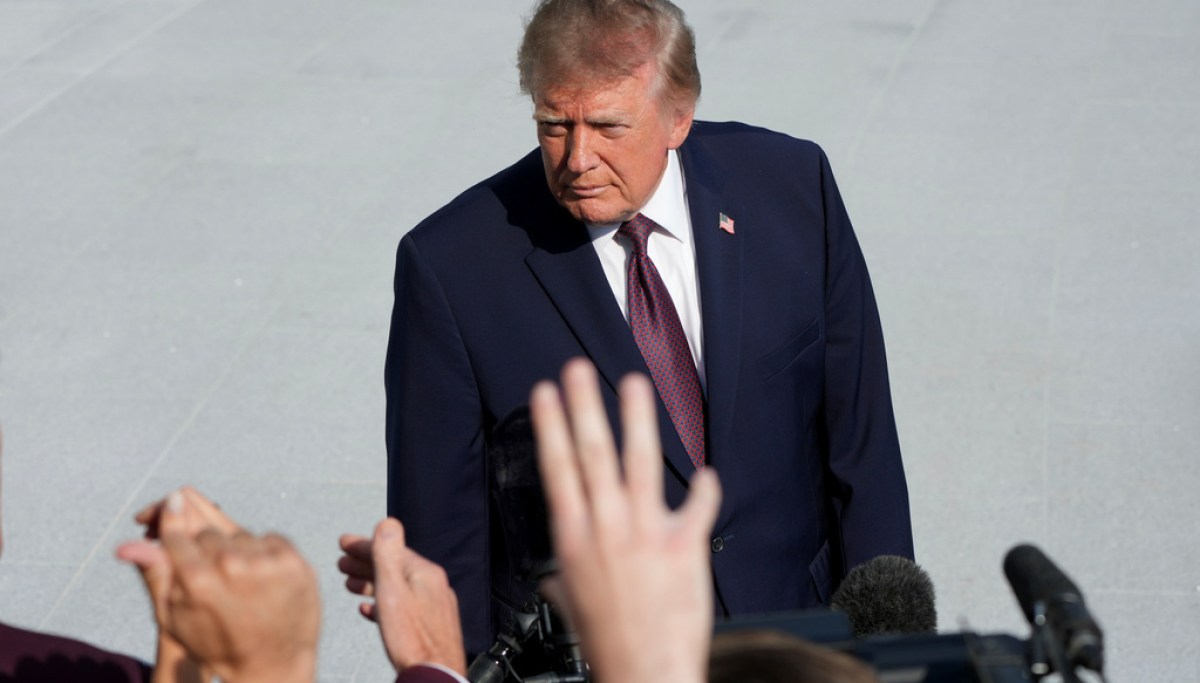
President Trump stated the United States is considering joining Saudi operations against the Houthis. “We may. We’re going to look at it,” he told reporters. Saudi officials requested urgent U.S. defense support. The coalition labeled the Riyadh attack a war crime and vowed a decisive response. UN Secretary-General António Guterres and officials from the United States, Germany, Canada, Qatar and others condemned the strike as a violation of international law.
Houthi-run media reported 91 Yemenis killed and 168 injured by coalition strikes in the past five weeks, with 60 percent described as women and children. More than 200,000 people have been displaced in recent fighting, primarily from Taiz governorate, according to the International Organization for Migration. Analysts noted Houthi forces have improved targeting while Saudi Arabia faces interceptor shortages.
The five-day WPC Energy Congress proceeded in Riyadh despite the airport disruption. The Houthis have also targeted shipping routes through the Bab el-Mandeb Strait, raising concerns over global energy supplies. No independent verification exists for competing casualty claims or the precise origin of the projectile that struck Riyadh.
More in Politics

Federal Agents Search Omar Home in Ongoing Immigration Probe
Homeland Security agents searched the Minnesota Democrat's DC residence in a criminal probe, prompting accusations of political intimidation from Omar and Democratic leaders. Coverage spans left-leaning outlets like NPR, BBC, and The Guardian alongside right-leaning criticism from The Federalist and Daily Wire.

Trump Diesel Import Plan Draws Pushback Over Russia Ties
The weekend agreement drew bipartisan congressional pushback and criticism from Ukraine's Zelenskyy, with analysts downplaying US fuel price impacts. Right-leaning outlets like National Review, Dispatch, and Washington Examiner questioned its legality and effectiveness.

Independents Test Voter Appetite for Middle Ground in 2026 Midterms
Nearly 200 independents are running in competitive races as voters weigh ballot measures on housing costs in states like Massachusetts. Left-leaning coverage from NYT, NPR, and Guardian highlights turnout and key races while right outlets focus on GOP strategy.
Trump Rallies in Alaska, Ohio to Bolster GOP Senate Candidates
The president rallied in Wasilla for Sen. Dan Sullivan and faced empty seats at an Ohio event amid midterm concerns. Outlets across the spectrum covered the trips as signals of GOP vulnerability weeks before Election Day.
The Compass
You just read five takes on one story.
What's your take? Find your political shape in a few minutes.
Take the test