
US-Saudi Nuclear Deal Allows Enrichment Without Gold Standard
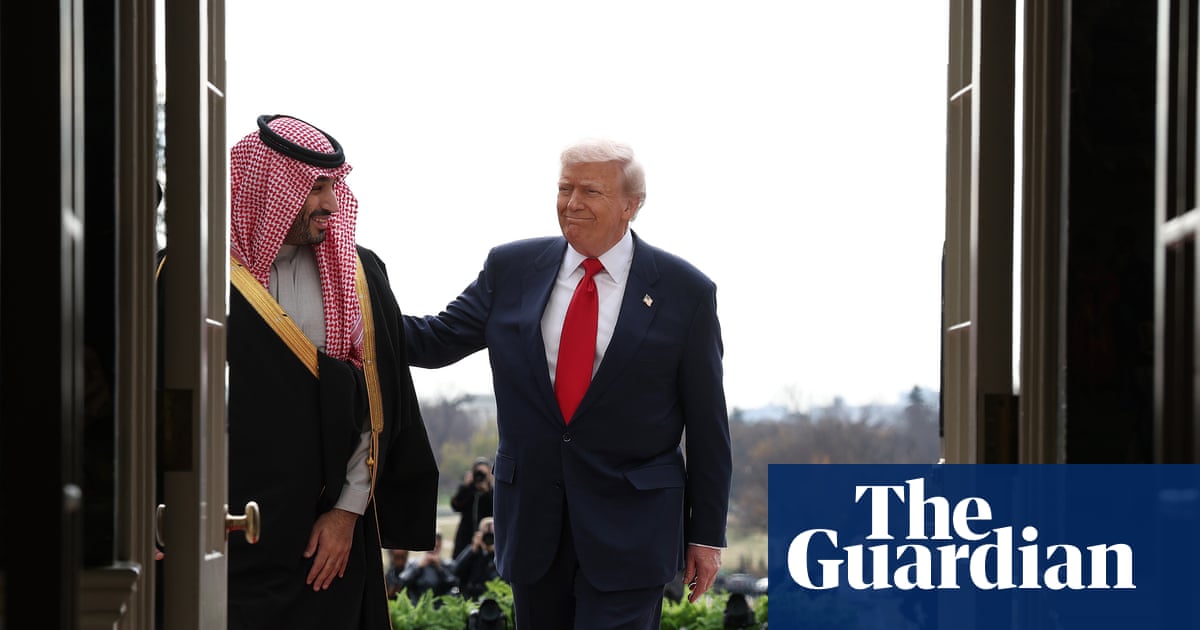
Cover image from theguardian.com, which was analyzed for this article
The agreement allows Saudi uranium enrichment, raising proliferation concerns from lawmakers and Israel. Reports detail the deal's terms and diplomatic context.
PoliticalOS
Wednesday, July 22, 2026 — Politics
The agreement establishes a legal framework for Saudi uranium enrichment without the stricter limits applied in some prior US nuclear pacts. Congress retains the ability to block the deal, but the text aligns with the standard 123 structure that does not automatically prohibit domestic enrichment.
What outlets missed
Neither outlet fully explained that Section 123 agreements have historically permitted enrichment under safeguards rather than requiring partners to forgo it. The administration’s explicit rationale—contained in its report to Congress—for using the deal to maintain US commercial leadership and block strategic competitors was omitted or mentioned only in passing. Coverage also left out the precise legal distinction between the Additional Protocol and standard IAEA safeguards that already apply to Saudi Arabia as an IAEA member state.
The proposed US-Saudi nuclear cooperation agreement would open the door for Saudi Arabia to enrich uranium domestically as part of a civilian power program, a step that directly tests longstanding US nonproliferation policy at a moment when Iran’s nuclear activities remain a central security concern.
The draft 123 Agreement, signed by Energy Secretary Chris Wright and Saudi Energy Minister Prince Abdulaziz bin Salman following a preliminary accord reached in Riyadh, sets a 30-year framework for US companies including Westinghouse to participate in Saudi nuclear infrastructure. It does not contain the “Gold Standard” clause that bars domestic uranium enrichment and spent-fuel reprocessing, nor does it require the IAEA Additional Protocol that expands inspection rights to undeclared sites. The text creates a legal pathway for cooperation on parts of the fuel cycle, including enrichment, though it does not obligate the United States to transfer enrichment technology.
Congress will have roughly 90 legislative days to review the pact once it is formally submitted. Blocking it would require a joint resolution passed over a presidential veto by a two-thirds majority in both chambers. Lawmakers from both parties have previously insisted that any agreement include stricter limits, citing Crown Prince Mohammed bin Salman’s 2018 statement that Saudi Arabia would pursue nuclear weapons if Iran did so.
The United Arab Emirates accepted the Gold Standard in its 2009 agreement with Washington and built its Barakah reactors without domestic enrichment capability. Saudi officials have repeatedly stated they will not accept the same restriction. Administration documents sent to Congress earlier this year argued that the deal would help US firms compete for a multibillion-dollar market and prevent other suppliers from gaining influence over Saudi nuclear infrastructure.
The timing of the submission coincides with active US military operations against Iran that are intended, in part, to constrain Tehran’s enrichment capacity. Critics, including former officials and analysts, have questioned whether allowing a regional rival to enrich uranium undercuts that objective. Supporters counter that the agreement maintains baseline IAEA safeguards required of all 123 partners and that Saudi Arabia, as an IAEA member, remains subject to routine inspections.
A separate mutual-defense pact between Saudi Arabia and Pakistan, concluded after Israeli strikes on targets in Qatar, has added another layer of regional nuclear dynamics, though the pact does not alter the terms of the US-Saudi agreement under review.
More in Politics

Federal Agents Search Omar Home in Ongoing Immigration Probe
Homeland Security agents searched the Minnesota Democrat's DC residence in a criminal probe, prompting accusations of political intimidation from Omar and Democratic leaders. Coverage spans left-leaning outlets like NPR, BBC, and The Guardian alongside right-leaning criticism from The Federalist and Daily Wire.

Trump Diesel Import Plan Draws Pushback Over Russia Ties
The weekend agreement drew bipartisan congressional pushback and criticism from Ukraine's Zelenskyy, with analysts downplaying US fuel price impacts. Right-leaning outlets like National Review, Dispatch, and Washington Examiner questioned its legality and effectiveness.

Independents Test Voter Appetite for Middle Ground in 2026 Midterms
Nearly 200 independents are running in competitive races as voters weigh ballot measures on housing costs in states like Massachusetts. Left-leaning coverage from NYT, NPR, and Guardian highlights turnout and key races while right outlets focus on GOP strategy.
Trump Rallies in Alaska, Ohio to Bolster GOP Senate Candidates
The president rallied in Wasilla for Sen. Dan Sullivan and faced empty seats at an Ohio event amid midterm concerns. Outlets across the spectrum covered the trips as signals of GOP vulnerability weeks before Election Day.
The Compass
You just read five takes on one story.
What's your take? Find your political shape in a few minutes.
Take the test