
Trump Urges Senate Action on SAVE Act Amid Filibuster, Voter Roll Issues
Cover image from foxnews.com, which was analyzed for this article
Trump demands Senate cancel recess to pass the SAVE Act requiring proof of citizenship and photo ID for voting. Democrats resist amid voter roll controversies and filibuster debates.
PoliticalOS
Saturday, August 1, 2026 — Politics
The core dispute centers on whether federal proof-of-citizenship rules are needed to address registration errors and whether Senate rules should be changed to enact them before the August recess; both sides agree that noncitizen voting is illegal, yet they differ sharply on the scope of any new federal mandate and the procedural steps required to pass it.
What outlets missed
The 2022 Senate vote in which Democratic Sens. Manchin and Sinema blocked their own party's attempt to carve out a filibuster exception for voting legislation received little attention, even though it shows internal Democratic divisions rather than uniform support for rules changes. State officials in New Jersey explicitly stated that the 6,600 erroneous registrations did not alter any election results, a finding omitted from coverage focused on the raw numbers. The precise mechanics of the SAVE Act—requiring passports or birth certificates rather than existing state ID—were not detailed in either report, leaving readers without a concrete basis to evaluate claims about voter access impacts.
Election administration questions have resurfaced in Congress as President Donald Trump calls for the Senate to remain in session or alter its rules to advance the SAVE America Act, a measure that would impose federal requirements for documentary proof of citizenship and photo identification when registering to vote in federal elections. The bill has cleared the House in prior sessions but faces resistance in the Senate, where Democrats hold enough seats to sustain a filibuster. Recent state-level findings of noncitizen registrations have intensified the debate over whether existing safeguards are sufficient.
Senators from both parties have addressed the 60-vote threshold. Democratic Sens. Richard Blumenthal of Connecticut and Maria Cantwell of Washington told Fox News Digital they would consider carving out exceptions for specific legislation, with Cantwell citing past support for advancing voting-rights measures. Republican Sen. Roger Marshall of Kansas stated that every current Democratic senator had previously voted to end the filibuster, though no specific roll-call record was supplied in the reporting. Sen. John Kennedy of Louisiana noted that the votes to eliminate the filibuster are not currently present and suggested reconciliation procedures as an alternative path.
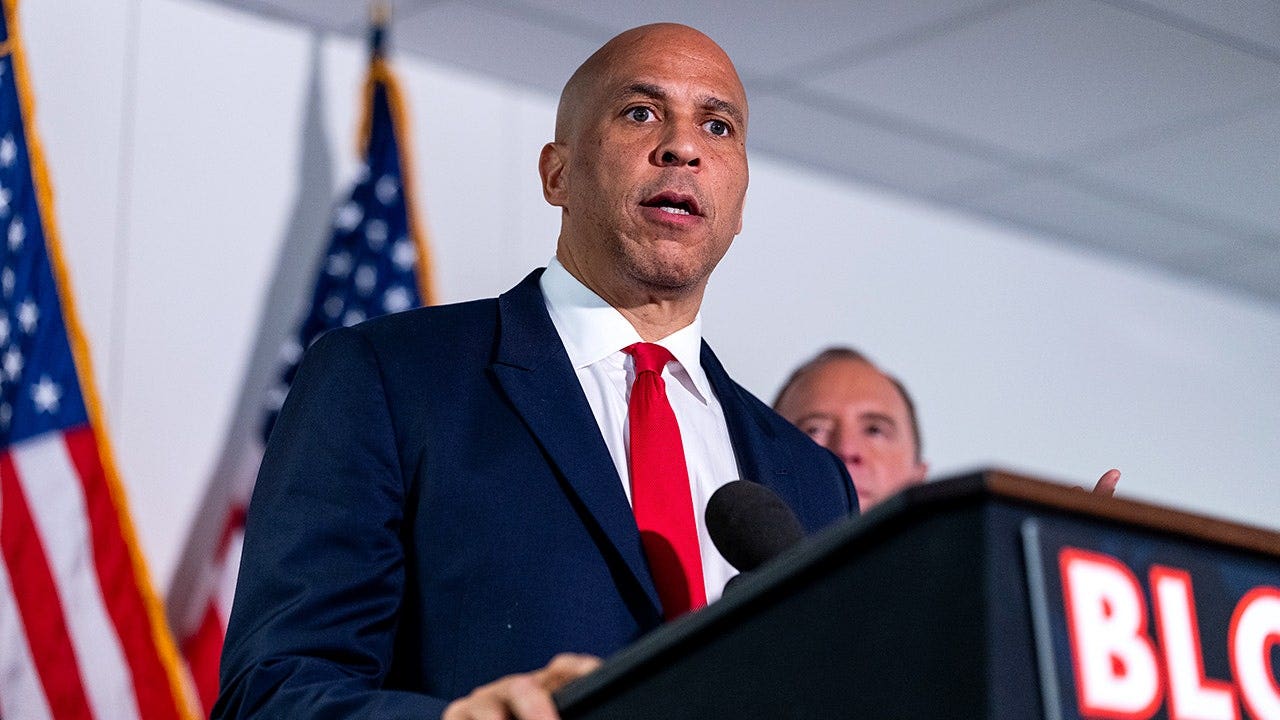
In New Jersey, Gov. Mikie Sherrill announced the removal of approximately 6,600 noncitizens from voter rolls after a software error in the Motor Vehicle System allowed them to register; state officials reported that roughly 400 of those individuals cast ballots in the 2024 presidential election but stated no outcomes were changed. Sen. Cory Booker, D-N.J., told Fox News Digital that the SAVE Act would not have prevented the clerical error and argued that proof-of-citizenship rules should remain a state responsibility under the Constitution. He described the legislation as a "massive voter suppression bill" that would block millions of eligible voters.
Speaker Mike Johnson, R-La., has directed staff to explore passing portions of the SAVE Act through budget reconciliation, which requires only a simple majority. Trump posted on Truth Social that Senate Majority Leader John Thune should prevent the chamber from recessing until the measure advances or the filibuster is terminated. Democrats have pointed to their unsuccessful 2022 effort to create a voting-rights exception, which failed when Sens. Joe Manchin and Kyrsten Sinema opposed the rules change.
No national database currently tracks the frequency of similar registration errors across states, leaving the scale of the issue unquantified beyond individual state reports. The SAVE Act's core provisions would standardize documentary proof requirements nationwide for federal elections, a step supporters say would close gaps and opponents say would create new barriers for citizens lacking ready access to passports or birth certificates.
More in Politics

Federal Agents Search Omar Home in Ongoing Immigration Probe
Homeland Security agents searched the Minnesota Democrat's DC residence in a criminal probe, prompting accusations of political intimidation from Omar and Democratic leaders. Coverage spans left-leaning outlets like NPR, BBC, and The Guardian alongside right-leaning criticism from The Federalist and Daily Wire.

Trump Diesel Import Plan Draws Pushback Over Russia Ties
The weekend agreement drew bipartisan congressional pushback and criticism from Ukraine's Zelenskyy, with analysts downplaying US fuel price impacts. Right-leaning outlets like National Review, Dispatch, and Washington Examiner questioned its legality and effectiveness.

Independents Test Voter Appetite for Middle Ground in 2026 Midterms
Nearly 200 independents are running in competitive races as voters weigh ballot measures on housing costs in states like Massachusetts. Left-leaning coverage from NYT, NPR, and Guardian highlights turnout and key races while right outlets focus on GOP strategy.
Trump Rallies in Alaska, Ohio to Bolster GOP Senate Candidates
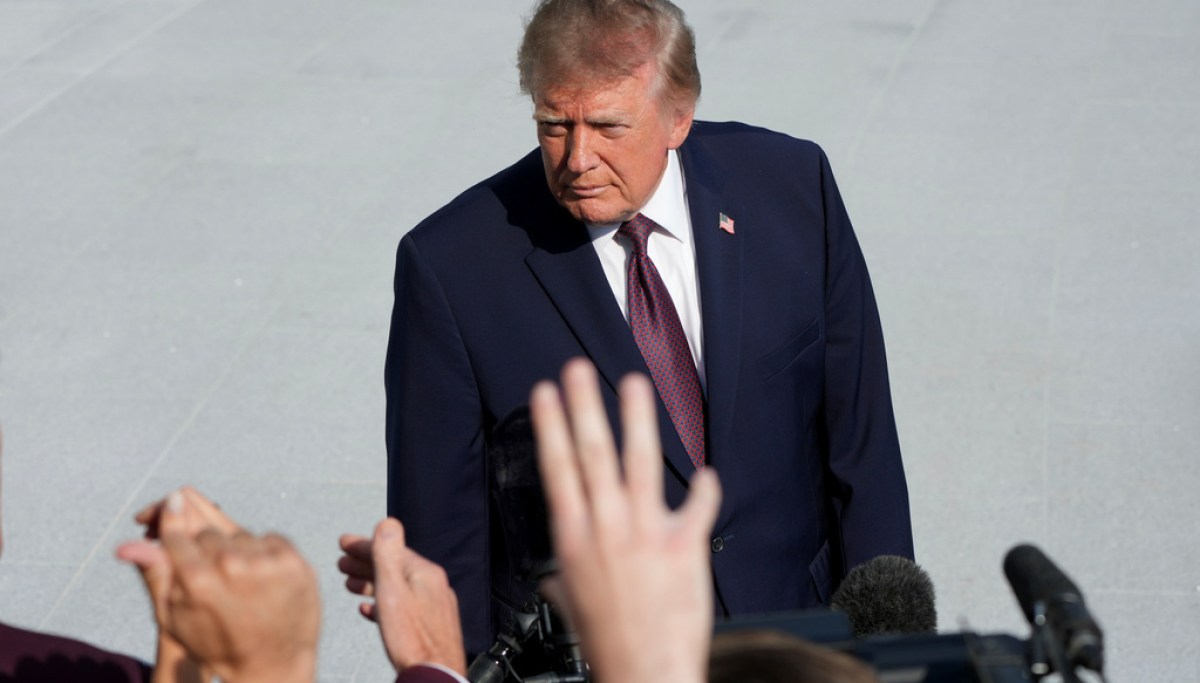
The president rallied in Wasilla for Sen. Dan Sullivan and faced empty seats at an Ohio event amid midterm concerns. Outlets across the spectrum covered the trips as signals of GOP vulnerability weeks before Election Day.
The Compass
You just read five takes on one story.
What's your take? Find your political shape in a few minutes.
Take the test