
Supreme Court Weighs Privacy Against Geofence Warrants in Robbery Case
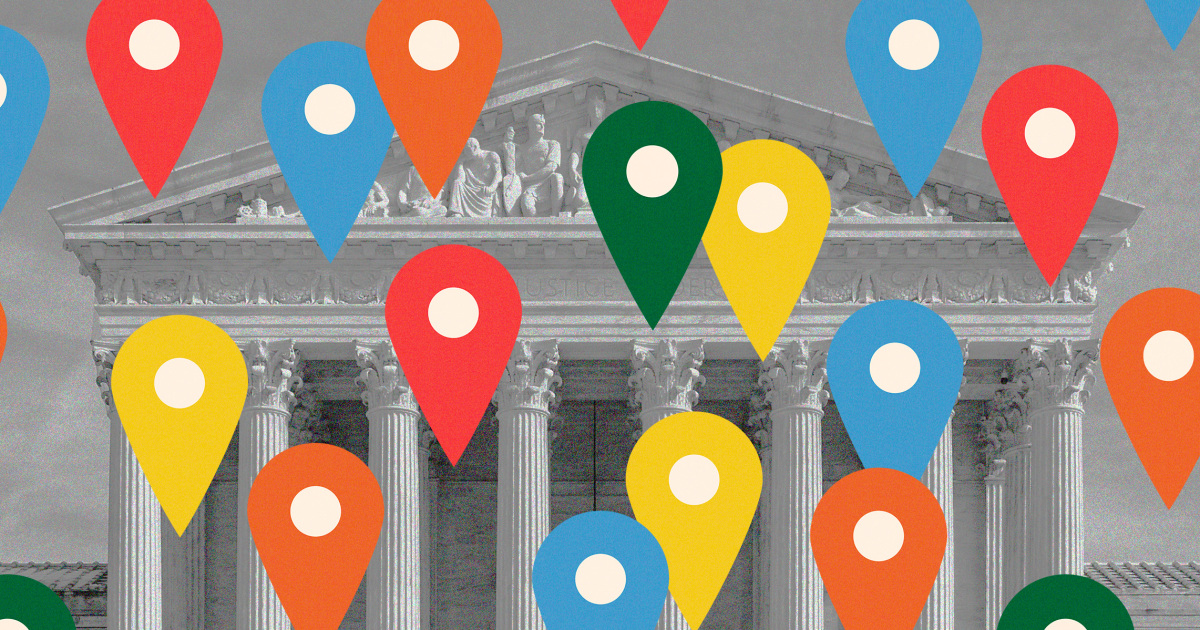
Cover image from nbcnews.com, which was analyzed for this article
Supreme Court examines if police require warrants for cell location records to track criminals. Privacy advocates push back against broad access; law enforcement defends tool efficacy. Ruling could redefine surveillance bounds.
PoliticalOS
Monday, April 27, 2026 — Politics
The Supreme Court must decide whether geofence warrants, which compel tech companies to search location data from everyone near a crime scene, violate the Fourth Amendment or represent a permissible evolution of investigative tools. Lower courts found this particular warrant valid given its narrow scope and supporting evidence from bank video, yet the technique's ability to sweep up innocent bystanders raises legitimate questions about mass digital searches. A ruling either way will shape police access to the constant location records created by modern smartphones, even as Google's own policy changes may reduce the tool's practical availability.
What outlets missed
Both outlets underplayed the precise parameters of the warrant in this case, a 150-meter radius over approximately one hour that returned data on just 19 accounts before narrowing, facts that lower courts cited when finding probable cause. They also gave short shrift to the Eastern District of Virginia and Fourth Circuit rulings that explicitly upheld the geofence warrant as lawful, procedural history that shows multiple layers of judicial review before the Supreme Court step. The scale of the tool's real-world use, more than 11,000 geofence warrants received by Google in 2020 alone according to its transparency reports, received almost no attention despite illustrating why the stakes extend far beyond one Virginia bank robbery. Finally, neither story fully reconciled Google's policy shift, under which Location History now defaults to on-device storage, with the company's simultaneous amicus argument that such digital records still deserve Fourth Amendment safeguards.
Supreme Court Weighs Whether Government Can Demand Location Data From Everyone Nearby
The Supreme Court returns to the intersection of modern technology and the Fourth Amendment on Monday with arguments in a case that could determine whether police can continue using sweeping geofence warrants to vacuum up cellphone location information from law-abiding Americans who happen to be in the wrong place at the wrong time.
The dispute stems from an armed robbery on May 20 2019 at the Call Federal Credit Union in Midlothian Virginia. A man walked in around 4:50 p.m. handed a note demanding cash to a teller then brandished a gun and ordered the manager to open the safe. He left with $195000. Police had few leads and no immediate suspect. What they did have was a relatively new investigative shortcut a geofence warrant directed at Google.
This warrant did not target a specific person. Instead it cast a digital net over a defined geographic area and time period around the bank asking the tech giant for information on any device that had been physically present. Google responded with data tied to 19 users who had enabled the company's Location History feature the setting that powers maps and other applications. One of those devices belonged to Okello Chatrie. His phone had been in or near the credit union about ten minutes before the robbery and left the area shortly afterward. Further investigation led to his arrest. Chatrie pleaded guilty to federal armed robbery and firearms charges and received nearly twelve years in prison. He reserved the right to challenge the geofence evidence.
Chatrie's lawyers argue the search violated the Fourth Amendment because it swept up location data from innocent bystanders without any particularized suspicion directed at Chatrie himself. The warrant in their view functioned like the general warrants that so outraged the American Founders a fishing expedition through private digital records rather than a targeted search based on probable cause. As location tracking has become routine in everyday smartphones these warrants have grown in popularity among law enforcement agencies investigating everything from violent crimes to lesser offenses. The tool turns the ubiquity of cellphones against citizens creating a permanent record of movements that police can demand after the fact.
The Justice Department takes a different view. In court filings it insists there is no constitutional violation from examining two hours of public movements especially when the user voluntarily opted into sharing location data with Google. The department emphasizes that obtaining the warrant required a three-step process reviewed by a magistrate judge. "The Court has made clear that an individual lacks a reasonable expectation of privacy in information that he ‘assumed the risk’ of sharing with others including about his short-term public movements" the government's brief states. From the government's perspective Chatrie surrendered any claim to privacy the moment he allowed his phone to report its whereabouts for the sake of convenience.
That argument reflects a broader philosophy that has taken hold in federal law enforcement as smartphones and always-on tracking have proliferated. Police no longer need to rely solely on witnesses security cameras or traditional detective work. They can simply ask a tech company for a list of everyone whose phone announced its presence near the scene. Proponents say the method is efficient and has helped solve serious cases. Yet it also means that thousands of innocent Americans have had their movements logged and scrutinized simply because they drove past a crime scene or happened to be running an errand.
The case arrives at the Supreme Court at a moment when public trust in both government power and tech companies is low. Many Americans use location services without fully grasping how much granular data is being stored or how readily it can be turned over. Google's own policies and the quiet expansion of geofence requests have largely escaped public debate until defendants like Chatrie began challenging them. Civil liberties groups warn that upholding these warrants would effectively give law enforcement a blank check to monitor public spaces through private intermediaries bypassing traditional limits on government surveillance.
A ruling against the government could force police to develop more targeted approaches and require greater specificity before demanding sensitive location records. A ruling in favor could accelerate the use of geofence tools nationwide accelerating the trend toward warrant-based mass data collection. Either way the decision will shape how the Fourth Amendment applies to the digital trails ordinary citizens leave behind every day.
The irony is hard to miss. The same technology that gives Americans unprecedented convenience also hands authorities an unprecedented window into their lives. When police admit they had no suspect until Google's data identified one it raises an uncomfortable question about whether these tools are solving crimes or simply generating suspects from the digital exhaust of daily life. The justices will now decide whether the Constitution still restrains that impulse or whether the surveillance state has found a workaround the Founders never anticipated.
You just read America First's take. Want to read what actually happened?
More in Politics

Trump Defends Ramaswamy Ad Using Estranged Mother in Ohio Race
President Trump defended a GOP nominee's ad featuring a Democratic opponent's estranged mother, calling it powerful, while drawing criticism from some Republicans including Ohio Gov. Mike DeWine. The ad has sparked internal GOP tensions ahead of midterms.

Federal Raid Targets Omar Amid Unresolved Name and Marriage Allegations
Agents searched Rep. Ilhan Omar's DC residence over immigration fraud allegations; she called it bizarre. Reports and commentary questioned her birth name and past marriage details.

Supreme Court Upholds New Hampshire Student ID Voting Ban
The Supreme Court upheld New Hampshire's ban on student IDs as valid voter identification just before midterms, affecting a tight Senate race.
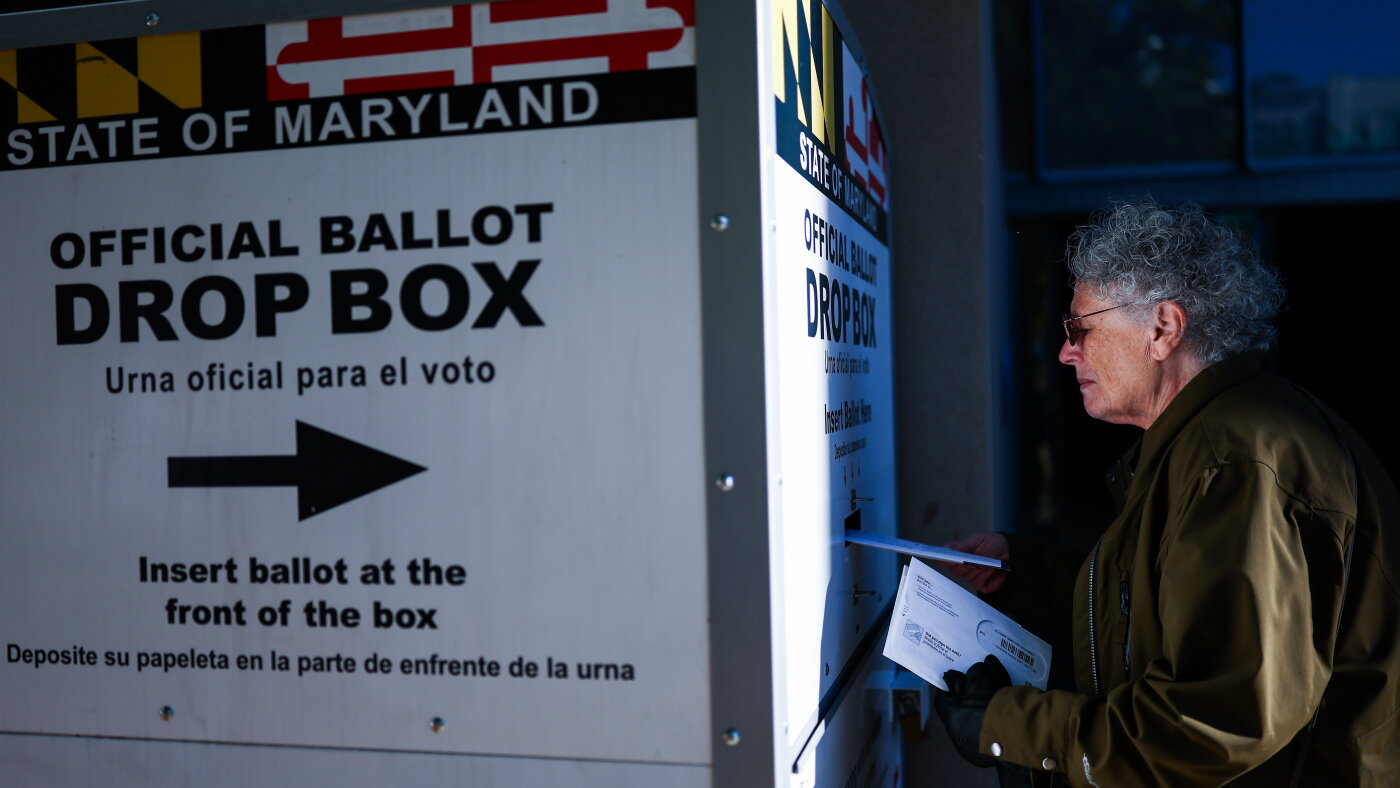
Early Voting Hits 21 Million as Most Trust Midterm Accuracy
Millions have already voted early as parties make final appeals amid $1.4 billion in ad spending; polls show confidence in election accuracy.
The Compass
You just read five takes on one story.
What's your take? Find your political shape in a few minutes.
Take the test