
Supreme Court Weighs Ending TPS for 350,000 Haitians and Syrians

Cover image from npr.org, which was analyzed for this article
The US Supreme Court heard arguments on the Trump administration's plan to revoke Temporary Protected Status for thousands of Haitian and Syrian migrants, potentially leading to deportations. Critics argue humanitarian concerns while supporters cite immigration enforcement needs. The case highlights ongoing debates over migrant protections.
PoliticalOS
Wednesday, April 29, 2026 — Politics
The Supreme Court is deciding whether courts can second-guess the executive branch's assessment that conditions in Haiti and Syria no longer justify Temporary Protected Status, or whether the law's bar on judicial review must be respected. While risks in both countries remain real, TPS was written as a temporary humanitarian bridge, not permanent residency; the ruling will set the ground rules for every future administration. The single most important fact is that this is a case about statutory interpretation and separation of powers, not solely about the worthiness of any individual migrant.
What outlets missed
Most outlets underplayed or omitted the statutory text in 8 U.S.C. § 1254a that explicitly limits TPS to "extraordinary and temporary conditions" and bars judicial review of the secretary's determinations on termination. DHS assessments cited concrete improvements, including Syria's movement toward new governance after Assad's 2024 fall and Haiti's shift away from the original earthquake-triggered criteria, even while acknowledging persistent challenges; these rationales appeared only sporadically. Several reports also failed to note that the Trump administration extended Syria's TPS during the president's first term, that one blocking judge was a Biden appointee and the other an Obama appointee, or that the House extension bill for Haitians faces long odds in the Senate and a promised veto. The precise scale of successful terminations versus pending litigation across all 17 TPS countries remained inconsistent or vague in many accounts.
Supreme Court Weighs Executive Authority Over Temporary Protected Status
WASHINGTON The Supreme Court heard arguments Wednesday in a pair of consolidated cases that could clarify how much latitude federal judges have to second-guess the executive branch on immigration designations that were always meant to be short-lived. At stake is the Trump administration's decision to terminate Temporary Protected Status for roughly 350,000 Haitians and 6,000 Syrians, a move that lower courts had blocked and that now faces scrutiny from the justices on an accelerated timeline.
Temporary Protected Status, created by Congress in 1990, was designed to give the government flexibility in genuine emergencies. Nationals of countries struck by natural disaster, war or political collapse can receive work permits and deportation relief while conditions at home improve. The statute speaks of "temporary" conditions and gives the secretary of homeland security authority to designate and, crucially, to undesignate countries once the rationale for protection fades. Haiti has held its designation since the 2010 earthquake. Syria has held its since the 2012 civil war. What began as emergency relief has stretched into the better part of two decades for hundreds of thousands of people.
The Department of Homeland Security under Secretary Kristi Noem moved last year to end protections for these countries and 11 others after determining that conditions had sufficiently changed. The administration argues that the immigration statute expressly limits judicial review of such discretionary decisions. "No judicial review means no judicial review," government attorneys told the court in briefs. They point to the Supreme Court's earlier rulings allowing the termination of TPS for more than 300,000 Venezuelans as precedent that lower courts should have followed rather than halting the Haiti and Syria decisions.
Attorneys for the immigrants counter that the secretary failed to complete mandatory consultations with the State Department and that the Haiti termination reflected improper considerations. They say judges retain the power to ensure agencies follow the procedural steps Congress laid out. A ruling for the administration would likely clear the way for broader enforcement across the roughly 1.3 million people who held TPS at the start of President Trump's second term. A ruling against it would invite continued litigation that keeps the program functioning long after the emergencies that justified it have, in the government's view, subsided.
The case arrives amid a pattern. Since January the administration has ended TPS designations for 13 countries. Migrants who built lives under these protections some for more than a decade suddenly face deadlines to leave or seek other forms of relief. Supporters of the program note that abrupt termination can upend jobs and housing. Critics counter that perpetual extensions turn a humanitarian exception into de facto permanent residency without the scrutiny that normally accompanies green-card policy. The latter view aligns with the original statutory text, which never contemplated TPS as a parallel immigration system.
The justices' willingness to grant certiorari before judgment in the lower appeals courts signals the issue's practical urgency. A decision is expected by late June or early July. That timing would give the administration clarity before another round of TPS renewals would otherwise occur. The ruling will also shape pending lawsuits involving Somalia, Myanmar, Ethiopia and other nations.
Legal observers following the arguments noted the narrow but important framing. The court is not being asked to judge living conditions in Port-au-Prince or Damascus. It is being asked whether the homeland security secretary's assessment of those conditions is subject to open-ended judicial second-guessing or whether the statute means what it says about unreviewable discretion. Precedent on agency deference and immigration enforcement will loom large.
The case is one of several immigration matters the court has taken this term as the administration presses forward with a stricter approach to both legal and illegal entries. Earlier this year the justices permitted the Venezuelan terminations to proceed while litigation continued. Wednesday's hearing tested whether that logic extends uniformly or whether country-specific claims of procedural error can keep entire national cohorts under federal court supervision indefinitely.
Outside the immigration context, a separate development underscored the Justice Department's continued focus on past officials. A federal grand jury returned a two-count indictment against former FBI Director James Comey, accusing him of issuing a threat against President Trump through a since-deleted Instagram post. The image of seashells arranged to spell "8647" was interpreted by investigators as a veiled call to "get rid of" the 47th president. This marks the second indictment of Comey by the current Justice Department. Legal analysts expressed doubt the matter would reach trial given constitutional hurdles around threats and political speech.
For now the TPS dispute remains the marquee matter before the high court. Its outcome will say much about whether Congress's original design of temporary relief can be reclaimed or whether judicial intervention has effectively converted the program into something more permanent. The statute's text, the length of existing designations, and the court's prior signals on Venezuela all point toward a decision that could restore greater weight to the executive's view of when an emergency has passed.
You just read Conservative's take. Want to read what actually happened?
More in Politics

Trump Defends Ramaswamy Ad Using Estranged Mother in Ohio Race
President Trump defended a GOP nominee's ad featuring a Democratic opponent's estranged mother, calling it powerful, while drawing criticism from some Republicans including Ohio Gov. Mike DeWine. The ad has sparked internal GOP tensions ahead of midterms.

Federal Raid Targets Omar Amid Unresolved Name and Marriage Allegations
Agents searched Rep. Ilhan Omar's DC residence over immigration fraud allegations; she called it bizarre. Reports and commentary questioned her birth name and past marriage details.

Supreme Court Upholds New Hampshire Student ID Voting Ban
The Supreme Court upheld New Hampshire's ban on student IDs as valid voter identification just before midterms, affecting a tight Senate race.
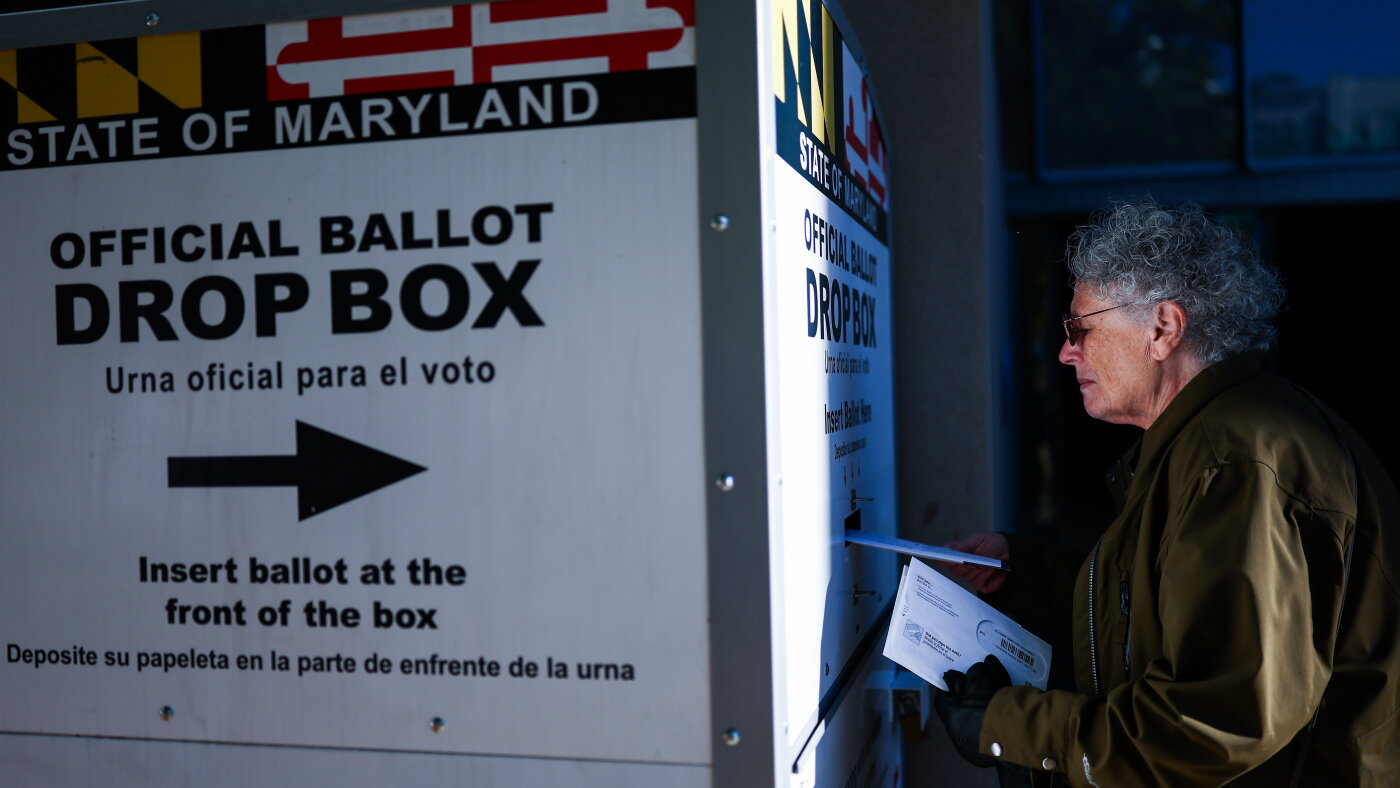
Early Voting Hits 21 Million as Most Trust Midterm Accuracy
Millions have already voted early as parties make final appeals amid $1.4 billion in ad spending; polls show confidence in election accuracy.
The Compass
You just read five takes on one story.
What's your take? Find your political shape in a few minutes.
Take the test