
Supreme Court Weighs Ending TPS for 350,000 Haitians and Syrians

Cover image from npr.org, which was analyzed for this article
The US Supreme Court heard arguments on the Trump administration's plan to revoke Temporary Protected Status for thousands of Haitian and Syrian migrants, potentially leading to deportations. Critics argue humanitarian concerns while supporters cite immigration enforcement needs. The case highlights ongoing debates over migrant protections.
PoliticalOS
Wednesday, April 29, 2026 — Politics
The Supreme Court is deciding whether courts can second-guess the executive branch's assessment that conditions in Haiti and Syria no longer justify Temporary Protected Status, or whether the law's bar on judicial review must be respected. While risks in both countries remain real, TPS was written as a temporary humanitarian bridge, not permanent residency; the ruling will set the ground rules for every future administration. The single most important fact is that this is a case about statutory interpretation and separation of powers, not solely about the worthiness of any individual migrant.
What outlets missed
Most outlets underplayed or omitted the statutory text in 8 U.S.C. § 1254a that explicitly limits TPS to "extraordinary and temporary conditions" and bars judicial review of the secretary's determinations on termination. DHS assessments cited concrete improvements, including Syria's movement toward new governance after Assad's 2024 fall and Haiti's shift away from the original earthquake-triggered criteria, even while acknowledging persistent challenges; these rationales appeared only sporadically. Several reports also failed to note that the Trump administration extended Syria's TPS during the president's first term, that one blocking judge was a Biden appointee and the other an Obama appointee, or that the House extension bill for Haitians faces long odds in the Senate and a promised veto. The precise scale of successful terminations versus pending litigation across all 17 TPS countries remained inconsistent or vague in many accounts.
Supreme Court Hears Trump Bid to Deport Longtime Haitian and Syrian Residents
The Supreme Court heard arguments Wednesday in a case that could determine whether the Trump administration can strip legal protections from more than 350,000 Haitians and 6,000 Syrians who have built lives in the United States over the past decade or more. The dispute centers on the Temporary Protected Status program, which has shielded immigrants from deportation to countries the United States itself has deemed unsafe because of war, natural disasters or political collapse. A ruling expected by early summer could pave the way for ending TPS for nearly 1.3 million people from 17 countries and accelerate the largest wave of removals in the program's 36-year history.
The Trump administration argues that Homeland Security Secretary Kristi Noem properly determined that conditions in Haiti and Syria have improved enough to end the designations. Federal lawyers told the justices that the immigration statute bars courts from second-guessing those decisions. "No judicial review means no judicial review," they wrote in court filings. The government has already terminated TPS for 13 countries since Trump returned to office, and it prevailed last year when the Supreme Court allowed the removal of protections for 600,000 Venezuelans on its emergency docket.
Attorneys for the immigrants counter that the administration short-circuited the required process. They say Noem failed to consult adequately with the State Department and, in the Haitian case, acted with discriminatory intent. Lower courts blocked the terminations, ruling that judges can review whether the government followed the law's procedural requirements. The Supreme Court took the unusual step of granting review before appeals courts weighed in, signaling the issue's national importance and the administration's desire for swift resolution.
The human stakes are immediate. Many Haitian TPS holders arrived after the 2010 earthquake that killed more than 200,000 people and left the country in ruins. They have lived and worked legally in the United States for 15 years, paying taxes, raising American-born children and filling jobs in nursing homes, hotels and construction. Syrian beneficiaries have been protected since 2012, fleeing a civil war that has killed hundreds of thousands and displaced millions. Lawyers told the court that some families learned of the termination notices and lost housing and employment within weeks. Returning them to Port-au-Prince, where gang violence controls large areas, or to Damascus, still scarred by conflict and repression, would expose them to the very dangers that prompted their original protections.
The TPS program was created by Congress in 1990 as a humanitarian measure without a pathway to citizenship. Designations are supposed to be reviewed every 18 months. Successive administrations of both parties have extended protections when conditions warranted. The Trump administration's first term tried to end TPS for several countries, only to be blocked by courts that found evidence of improper political influence and racial animus. This time the administration has moved faster and more broadly, using the earlier Supreme Court precedent on Venezuela to argue that judges should stay out of the way entirely.
Immigrant advocates and civil rights groups warn that a decision favoring the government would effectively gut judicial oversight of the program. They point to internal documents and public statements suggesting the decisions were driven less by improved conditions on the ground than by the president's long-standing hostility toward immigrants from certain nations. Trump once referred to Haiti and African countries with a vulgar epithet and has repeatedly framed TPS as a loophole exploited by people who should not be here. His administration's broader immigration crackdown has included mass deportation raids, expanded detention and pressure on local governments to cooperate with federal enforcement.
The case arrives as the court is already considering multiple challenges to Trump's immigration policies. In February the justices ruled against the legality of his sweeping tariffs. The fast-tracking of the TPS dispute for the final arguments of the term underscores how central immigration remains to the president's agenda and to the court's docket. A loss for the immigrants would not only expose hundreds of thousands to deportation but also send a signal to lower courts handling similar challenges from nationals of Somalia, Myanmar, Ethiopia and other countries.
During oral arguments, several justices appeared skeptical of the administration's claim of absolute discretion. Questions focused on whether Congress truly intended to eliminate all judicial review of decisions that carry such profound consequences for longtime residents. Liberal justices pressed the government on the apparent lack of thorough country-condition assessments. Conservative justices seemed more receptive to the argument that the secretary of homeland security deserves wide latitude on national-security and foreign-policy grounds.
Outside the court, Haitian and Syrian community leaders organized vigils and press conferences. In Miami, where many TPS holders live, a candlelight gathering recalled the lives rebuilt after disaster and the fear now gripping families who thought they had found safety. One Haitian organizer, who has lived in the United States since 2011 and works as a home health aide, told reporters she would be forced to leave her two U.S.-born children behind if deported. Similar anxiety runs through Syrian communities in states like Michigan and California, where refugees have integrated into local economies while awaiting an end to the violence at home.
Legal analysts following the case say the outcome may turn on seemingly technical questions about the scope of judicial review and the adequacy of agency consultation. Yet the practical result could be sweeping. If the court sides with the administration, officials have signaled they will move aggressively to end TPS for remaining countries. That would represent one of the most significant rollbacks of humanitarian immigration relief in modern American history and could lead to the removal of people who have followed every rule only to find the rules changed beneath them.
The justices' decision will not only shape the immediate futures of hundreds of thousands of families but also test how much unchecked power the executive branch holds over immigrants who have been invited to remain in the United States precisely because returning home was judged too dangerous. For communities that have contributed taxes, raised children and waited years for stability, the hearing represented more than a legal argument. It was a referendum on whether humanitarian promises made by the government can be unilaterally revoked when political winds shift.
You just read Progressive's take. Want to read what actually happened?
More in Politics
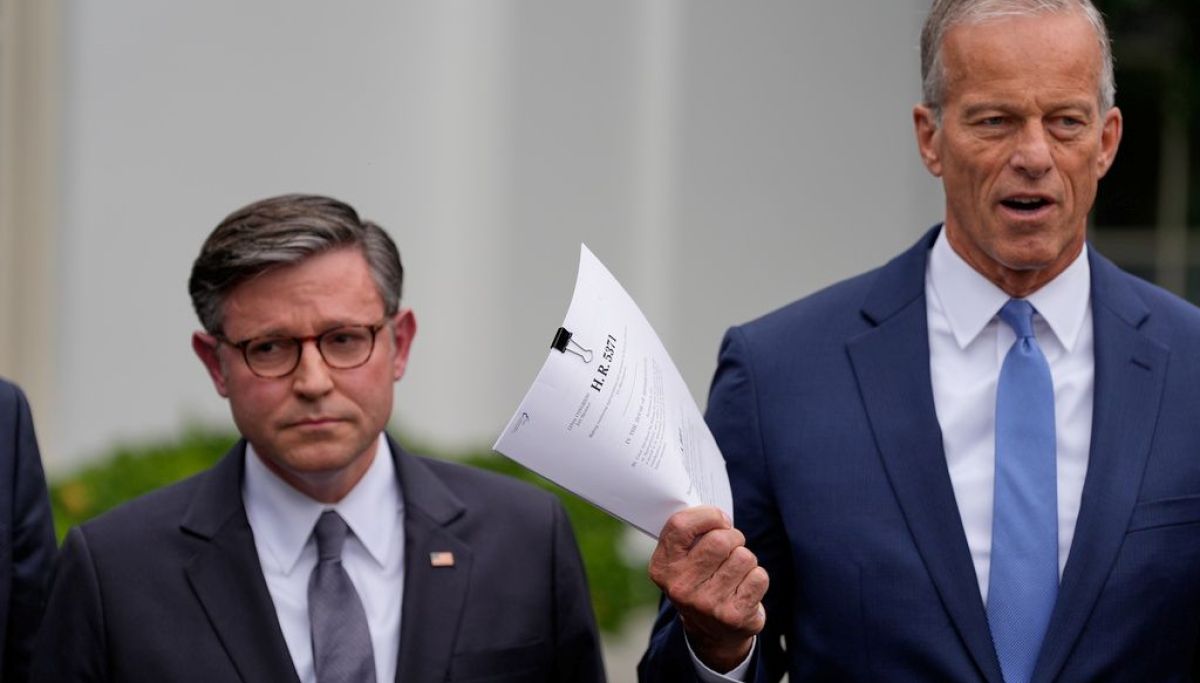
Trump at 32% Approval as Gas Prices Test GOP Midterm Hopes
NYT/Siena polling showed Trump's approval at historic lows around 32 percent with Democrats leading by double digits in key districts. Early voting has surged in battleground states.

Record Early Voting Hits Battlegrounds, Shifting Partisan Shares
AP analysis found hundreds of thousands more early ballots than in 2022 in states including Texas, Ohio, Kansas, Maine, and North Carolina, shifting partisan dynamics.
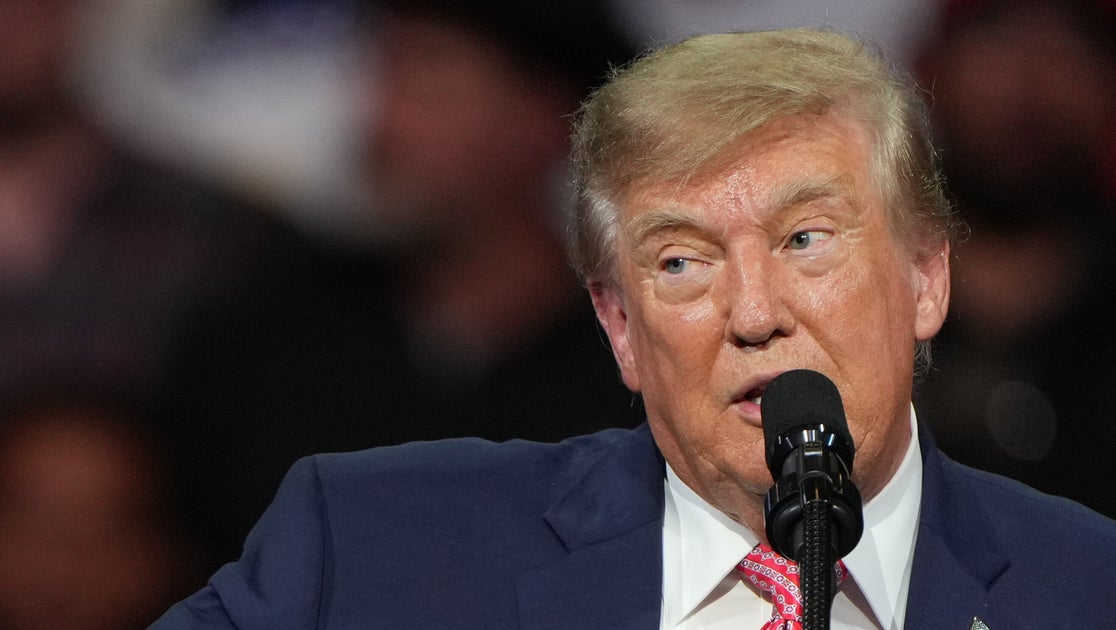
Trump Backs Marshall in Kansas Senate Race Tightened by Farm Costs
President Trump rallied in deep-red Kansas for GOP Sen. Roger Marshall in a competitive race, announcing an $8 billion farm fuel relief program amid high diesel prices. Democrats see an opening to end 94 years of GOP dominance in the state.

Trump Pauses Russia Sanctions Amid Ukraine Tensions and Missile Strikes
Trump waived sanctions on Russia and floated trilateral talks with Putin and Xi as part of ending the Ukraine war, while tensions rose with Zelenskyy over Starlink and arms. Bipartisan senators engaged Zelenskyy amid the shifts.
The Compass
You just read five takes on one story.
What's your take? Find your political shape in a few minutes.
Take the test