
SCOTUS Redistricting Ruling Prompts Map Redraws in South
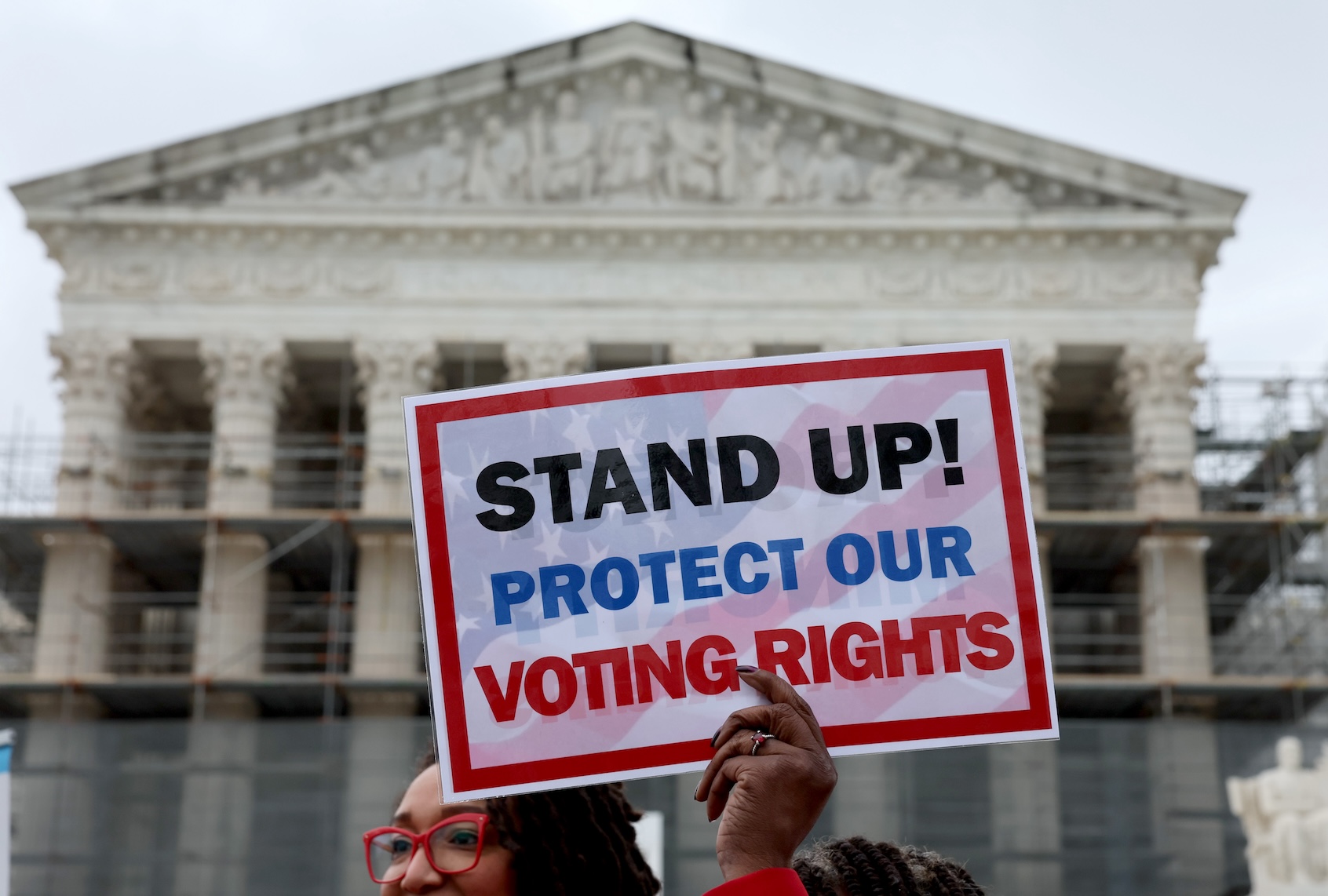
Cover image from salon.com, which was analyzed for this article
The Supreme Court decision in a key voting case could reduce Black representation in multiple districts. Legal experts debate effects on future elections and redistricting.
PoliticalOS
Saturday, May 16, 2026 — Politics
The ruling requires states to justify any predominant use of race in district lines under equal-protection standards. Multiple Southern states are already revising maps at congressional, state, and local levels. The extent of any reduction in majority-Black districts will depend on how lower courts apply the new precedent in pending cases.
What outlets missed
The Court’s opinion centered on whether race was the predominant factor in Louisiana’s map without adequate justification under equal-protection doctrine, not a wholesale rewrite of Section 2 standards. No outlet detailed the vote breakdown or the narrow tailoring analysis that formed the core of the holding. Local election impacts in counties such as DeSoto, Mississippi, received little attention despite their direct connection to ongoing Section 2 litigation. The decision’s potential interaction with state constitutional limits on redistricting was omitted entirely.
Supreme Court Ruling Paves Way for GOP to Strip Black Voters of Representation
The Supreme Court’s decision in Louisiana v. Callais has triggered a rapid wave of map redraws across the South that civil rights groups warn will sharply reduce Black political power at every level of government. The ruling altered the legal standard for proving racial discrimination under Section 2 of the Voting Rights Act, requiring plaintiffs to clear a higher bar before courts will intervene against maps that dilute minority votes. Republican-led states have already begun suspending local elections to redraw districts and eliminate majority-Black seats, moves that advocates say will lock in conservative advantages well beyond the midterms.
In Louisiana, where the case originated, state officials moved quickly after the decision to redraw congressional and state legislative lines. Black voters who had secured two majority-Black congressional districts now face maps that split those communities across several white-majority districts. Similar efforts are underway in Alabama, Georgia, and Texas, where lawmakers have cited the Callais precedent to justify new maps that reduce the number of districts where Black voters can elect their preferred candidates. Local elections, often overlooked in national coverage, stand to be affected first, with city councils, school boards, and county commissions losing seats that had given Black communities direct influence over budgets, policing, and education policy.
Civil rights organizations argue the ruling effectively green-lights partisan gerrymandering that targets minority voters. They point to data showing that majority-minority districts remain the most reliable path for Black candidates to win office in the South. Without them, representation drops even when Black voter turnout is high. Advocates also note that the decision comes as several states have simultaneously restricted early voting and mail ballots, compounding the impact on communities with lower rates of car ownership and flexible work schedules.
Republican officials defend the new maps as race-neutral efforts to create compact districts that reflect recent population shifts. They insist the Callais standard simply prevents courts from forcing racial considerations into every line drawn on a map. Yet internal documents and public statements from mapmakers in multiple states show explicit calculations about how many Black voters to move out of existing districts to ensure Republican majorities. Legal observers expect a surge in new Voting Rights Act lawsuits, though lower courts are now bound by the stricter test set by the Supreme Court.
The practical result, according to demographic analyses, is that Black voters could see their share of winnable seats decline by 15 to 20 percent in several Southern states over the next two election cycles. That shift would reduce the number of Black state legislators and local officials at a time when issues such as criminal justice reform, public school funding, and healthcare access remain central to those communities. Progressive groups are urging Congress to restore stronger Voting Rights Act protections, but prospects for legislation remain dim given partisan divisions. For now, the Callais decision has handed state governments new tools to reshape electoral maps with fewer judicial restraints.
You just read Progressive's take. Want to read what actually happened?
More in Politics

Trump Defends Ramaswamy Ad Using Estranged Mother in Ohio Race
President Trump defended a GOP nominee's ad featuring a Democratic opponent's estranged mother, calling it powerful, while drawing criticism from some Republicans including Ohio Gov. Mike DeWine. The ad has sparked internal GOP tensions ahead of midterms.
Federal Raid Targets Omar Amid Unresolved Name and Marriage Allegations
Agents searched Rep. Ilhan Omar's DC residence over immigration fraud allegations; she called it bizarre. Reports and commentary questioned her birth name and past marriage details.

Supreme Court Upholds New Hampshire Student ID Voting Ban
The Supreme Court upheld New Hampshire's ban on student IDs as valid voter identification just before midterms, affecting a tight Senate race.
Early Voting Hits 21 Million as Most Trust Midterm Accuracy
Millions have already voted early as parties make final appeals amid $1.4 billion in ad spending; polls show confidence in election accuracy.
The Compass
You just read five takes on one story.
What's your take? Find your political shape in a few minutes.
Take the test