
Supreme Court Tightens Voting Rights Proof Standard, Reshaping Maps
Cover image from freebeacon.com, which was analyzed for this article
The Supreme Court's voting rights ruling reveals a deep clash over racism's role in America, with critics arguing the court overly trusts the nation not to be racist. Justice Alito emphasized substantive matters in his approach.
PoliticalOS
Sunday, May 3, 2026 — Politics
The Supreme Court has raised the bar for proving racial discrimination in redistricting, requiring evidence that race predominated and that mapmakers acted with discriminatory intent. This 6-3 decision in Louisiana v. Callais does not eliminate the Voting Rights Act but limits race-based district drawing that violates equal protection principles. The central unresolved question is whether measurable increases in Black voter participation reflect genuine progress or mask subtler barriers that remain difficult to prove in court.
What outlets missed
Most coverage omitted that the challengers in Louisiana v. Callais were non-Black voters arguing the second majority-Black district violated the 14th Amendment by making race the predominant factor over traditional redistricting criteria such as compactness and communities of interest. The ruling did not invalidate Section 2 of the Voting Rights Act itself; it applied an intent-plus-effects standard to one specific irregularly shaped map. Analyses also underplayed Alito's detailed discussion of Black voter turnout data from recent presidential elections, which he presented as evidence of substantive progress even while acknowledging historical barriers. Coverage further downplayed the 2019 Rucho v. Common Cause precedent that removed federal courts from policing partisan gerrymanders, making the race-versus-party entanglement harder to adjudicate. Finally, few outlets noted that Louisiana legislators drew the challenged map under prior court pressure, creating a feedback loop the Supreme Court sought to end.
Supreme Court Weakens Voting Rights Act by Demanding Proof of Intentional Racism
The Supreme Court on Wednesday delivered another significant blow to the Voting Rights Act of 1965 declaring that challenges to racially discriminatory electoral maps must now clear an extraordinarily high bar by proving intentional discrimination. In a 6-3 decision written by Justice Samuel Alito the conservative majority effectively neutered a key provision of the landmark civil rights law that for decades has protected Black voters and other minorities from maps designed to dilute their political power.
The ruling in Louisiana v. Callais does not formally eliminate Section 2 of the Voting Rights Act. That provision still exists on paper. But as Justice Elena Kagan noted in a sharply worded dissent it has been rendered almost useless. Kagan argued that requiring plaintiffs to prove deliberate racial animus is well-nigh impossible in an era when politicians rarely announce their racist intentions out loud. The decision rests on a premise that America has fundamentally changed since 1965 that overt bigotry has been replaced by a post-racial political landscape where race no longer drives mapmaking. It is a premise many Americans particularly those who have watched gerrymandered districts and suppressed turnout know to be false.
This is not ancient history. In 1901 when Rep. George H. White the last Black member of Congress until the civil rights era gave his farewell address he warned that Black political participation was being erased through Jim Crow laws and disenfranchisement. It took bloody struggles marches and federal intervention to pass the Voting Rights Act which constrained states with histories of discrimination. That constraint worked because it acknowledged a basic truth about American democracy that without external pressure the powerful will often find ways to limit who gets to vote.
Yet six justices appointed by Republican presidents now trust the nation to police itself. Alito's opinion insists that racial discrimination must be explicitly proven rather than inferred from patterns of behavior that consistently disadvantage Black communities. The practical effect is clear. States particularly in the South can draw maps that crack or pack minority voters into districts where their influence is minimized all while claiming partisan motives rather than racial ones. The distinction is often meaningless in practice because in many of these states partisan gerrymandering and racial gerrymandering overlap almost perfectly.
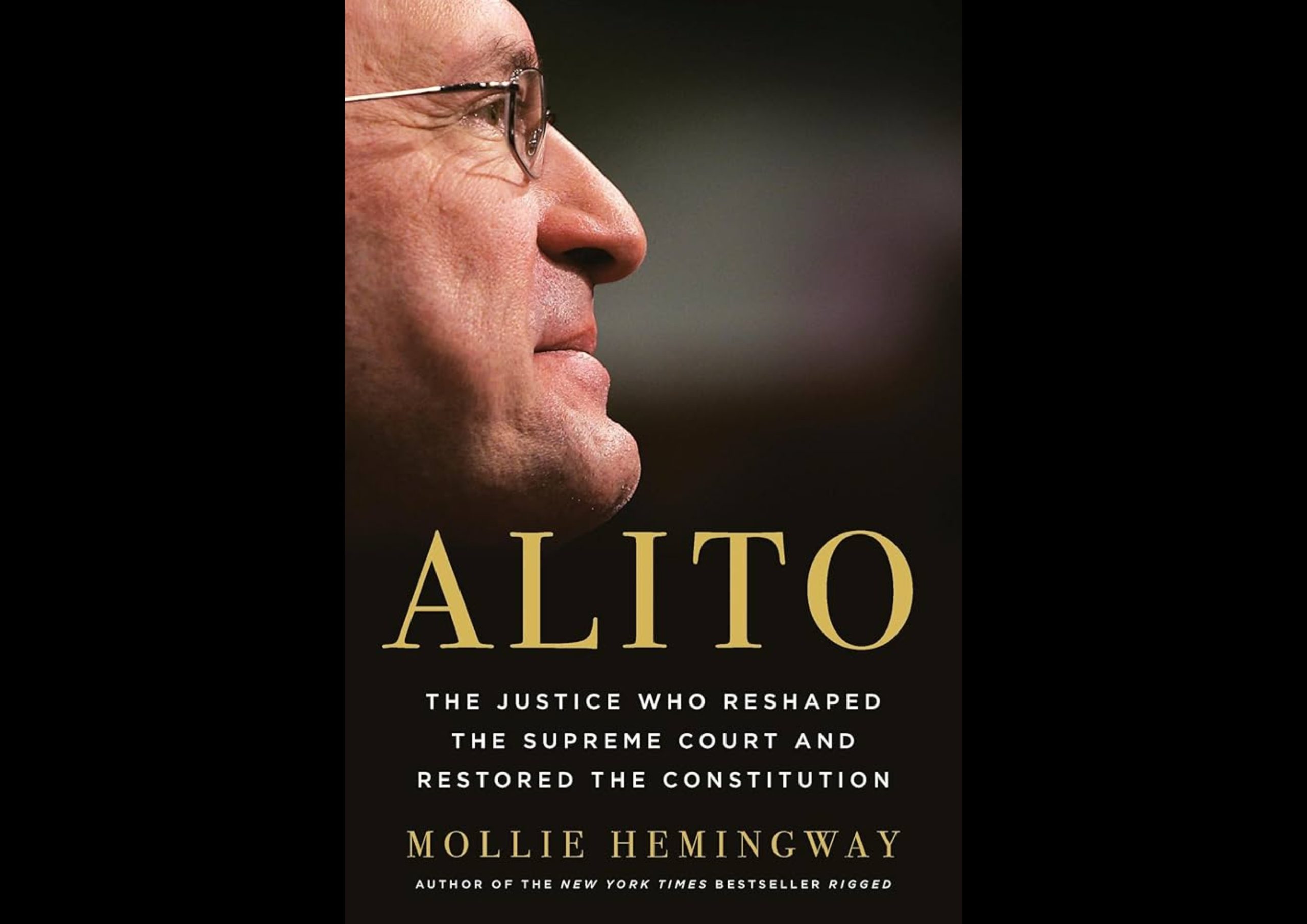
The timing of this ruling is notable. It arrives on the same day that conservative outlets are celebrating a new biography of Alito titled "Alito: The Justice Who Reshaped the Supreme Court and Restored the Constitution" by Mollie Hemingway. The book portrays Alito as a courageous originalist willing to withstand media hysteria and elite pressure to defend the Constitution. Hemingway praises his practical originalism and his willingness to overturn precedents like Roe v. Wade despite intense opposition. What the book frames as bravery looks from another perspective like a determined campaign to roll back the rights of marginalized groups under the guise of textual fidelity.
This decision continues a pattern. Since Shelby County v. Holder in 2013 when the Court gutted the preclearance formula of the Voting Rights Act conservative justices have repeatedly weakened protections against racial discrimination in elections. They have done so while insisting that racism is mostly a relic of the past that modern politicians can be trusted. The dissenters Kagan joined by Justices Sonia Sotomayor and Ketanji Brown Jackson rejected this rosy view pointing out that the historical record and contemporary evidence show otherwise.
For Black Americans whose ancestors fought and died for the franchise this ruling carries particular sting. It suggests that the phoenix-like rise George White prophesied in 1901 must now occur without the legal tools that made previous progress possible. It tells voters of color that even when maps produce outcomes that look suspiciously like deliberate dilution of their votes the courts will give the benefit of the doubt to the mapmakers.
Defenders of the decision will argue that it prevents racial gerrymandering in the other direction that it stops courts from forcing states to create majority-minority districts based on race alone. They will claim it returns power to legislatures and honors colorblind constitutional principles. But this ignores the reality on the ground where sophisticated mapmakers use proxies for race to achieve the same exclusionary ends without leaving explicit evidence.
The Supreme Court has once again sided with the view that America has transcended its racist past. It is a convenient belief for those who benefit from the status quo. For those whose voting power is diluted or erased by carefully crafted maps it is a luxury they cannot afford. As the nation heads into future election cycles with political power increasingly determined by how district lines are drawn this ruling will shape representation for years to come. Whether it truly reflects a changed America or simply a Court unwilling to confront ongoing inequalities is a question the justices have now answered in favor of the former. History and the dissent suggest they may be wrong.
You just read Progressive's take. Want to read what actually happened?
More in Politics

Trump Defends Ramaswamy Ad Using Estranged Mother in Ohio Race
President Trump defended a GOP nominee's ad featuring a Democratic opponent's estranged mother, calling it powerful, while drawing criticism from some Republicans including Ohio Gov. Mike DeWine. The ad has sparked internal GOP tensions ahead of midterms.
Federal Raid Targets Omar Amid Unresolved Name and Marriage Allegations
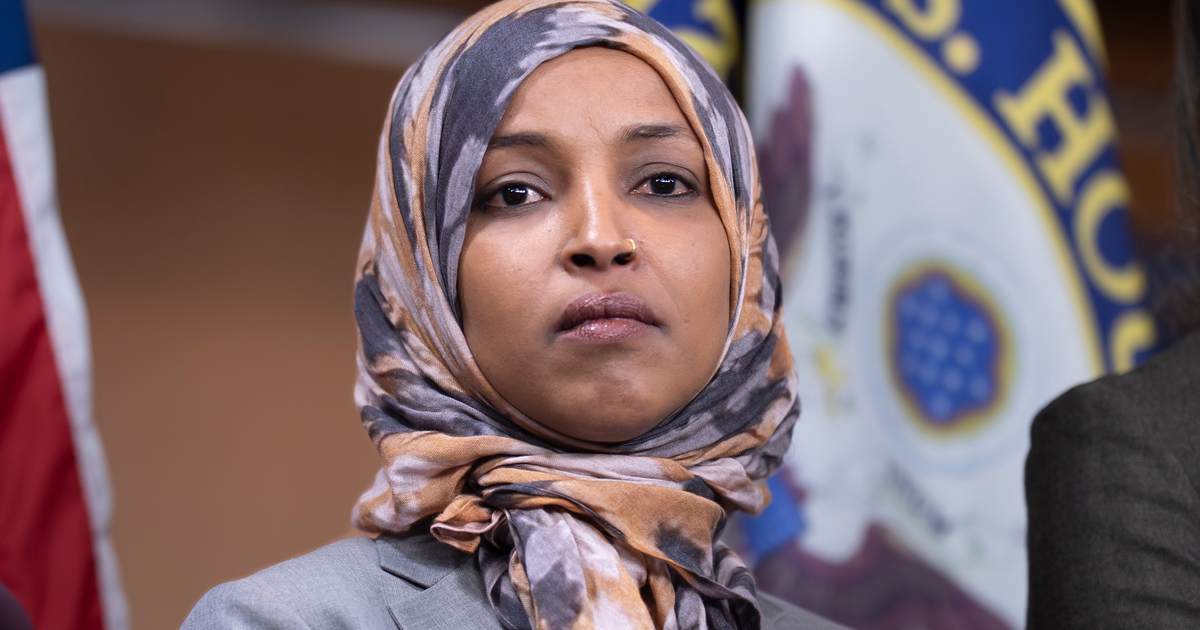
Agents searched Rep. Ilhan Omar's DC residence over immigration fraud allegations; she called it bizarre. Reports and commentary questioned her birth name and past marriage details.

Supreme Court Upholds New Hampshire Student ID Voting Ban
The Supreme Court upheld New Hampshire's ban on student IDs as valid voter identification just before midterms, affecting a tight Senate race.
Early Voting Hits 21 Million as Most Trust Midterm Accuracy
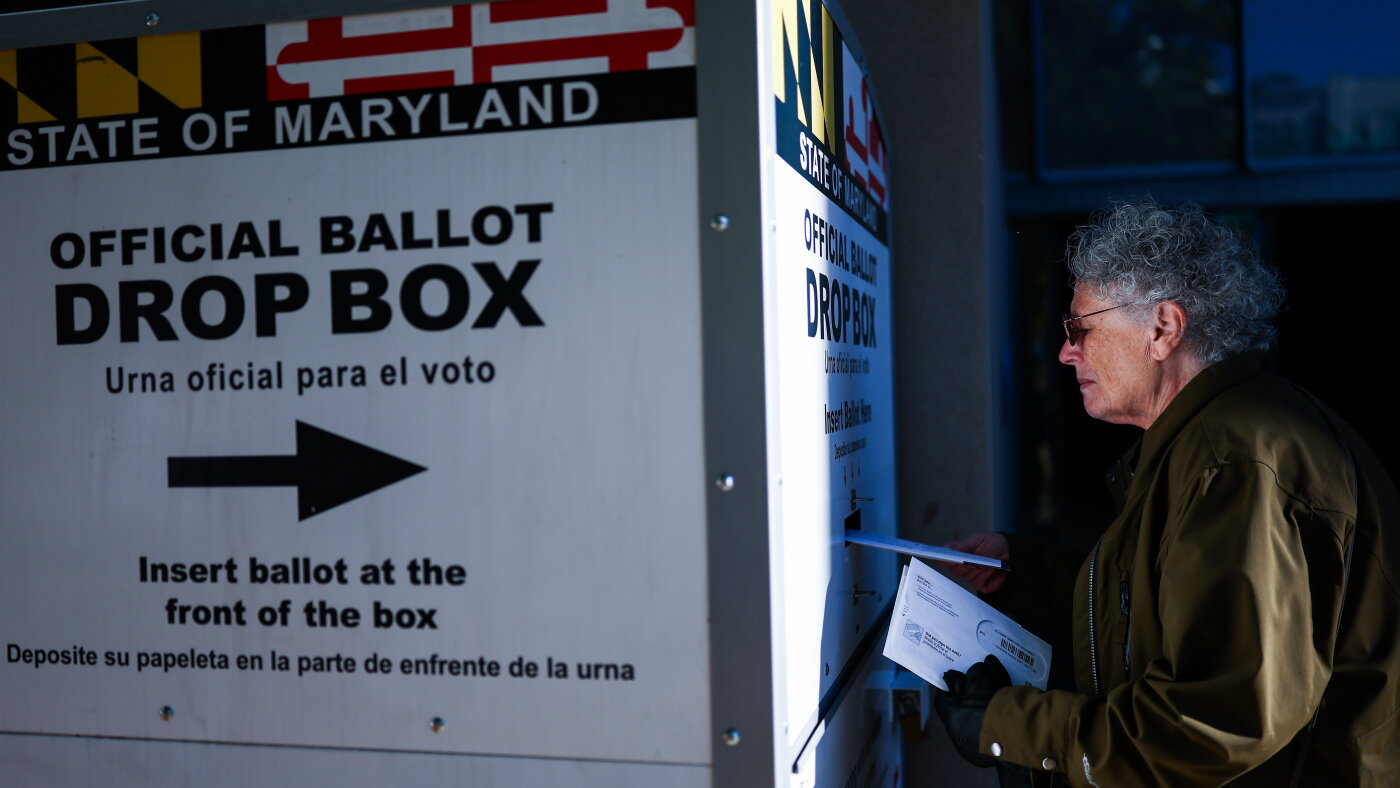
Millions have already voted early as parties make final appeals amid $1.4 billion in ad spending; polls show confidence in election accuracy.
The Compass
You just read five takes on one story.
What's your take? Find your political shape in a few minutes.
Take the test