
Supreme Court Narrows Path for Minority Voting Protections
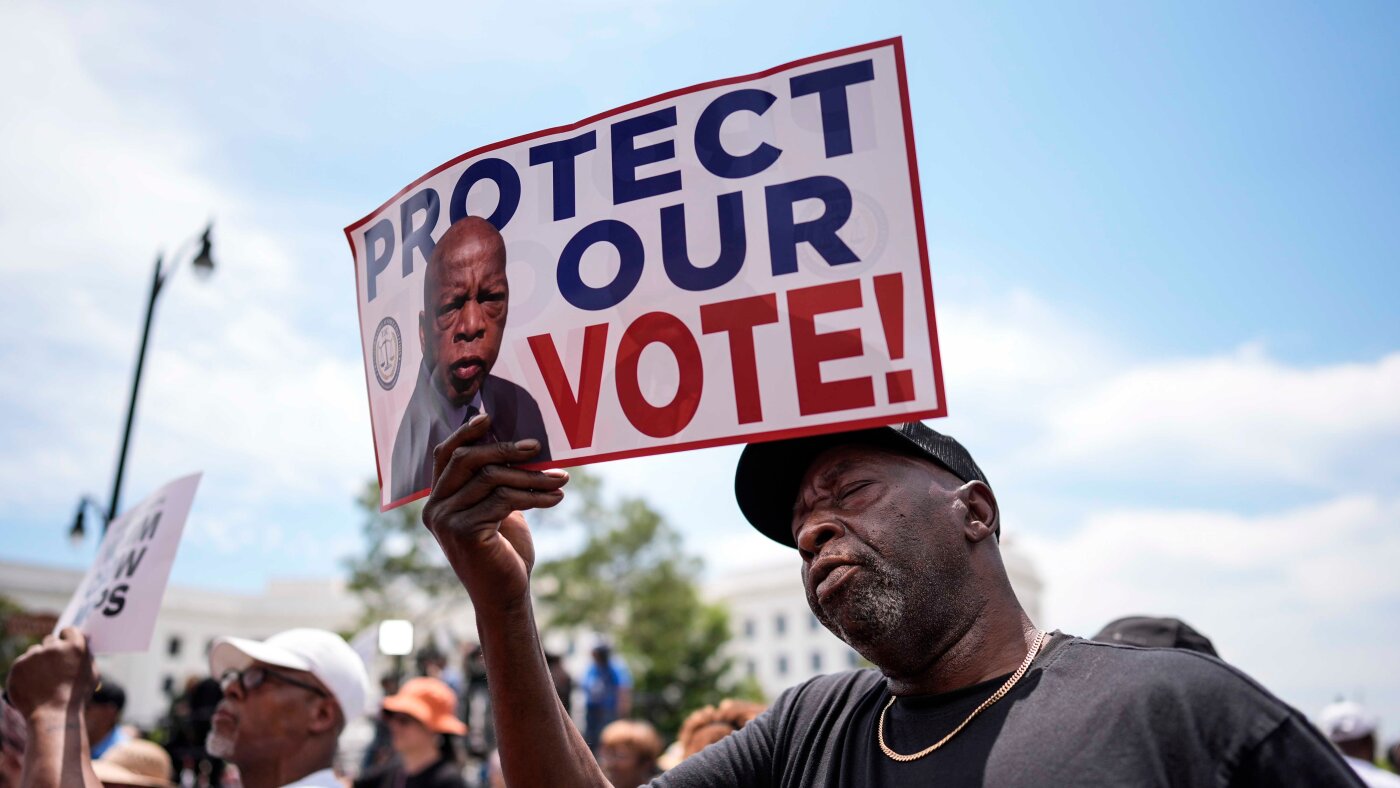
Cover image from npr.org, which was analyzed for this article
After a key Supreme Court decision, states are exploring state-level voting rights laws and redistricting as alternatives for protecting minority voting access.
PoliticalOS
Friday, June 5, 2026 — Politics
The Supreme Court has curtailed the practical reach of Section 2 of the Voting Rights Act in redistricting disputes. States now pursue narrower alternatives whose effectiveness will vary sharply by partisan control and future litigation. No single approach currently on the table restores the nationwide scope previously available under federal law.
What outlets missed
Neither outlet quoted or summarized the majority’s equal-protection analysis that formed the core of the Callais holding. Alabama officials’ statements defending the practical effects of the retained maps received no direct coverage. The precise statutory language of pending state voting rights bills and the text of the new federal lawsuit against Illinois’ law were omitted, leaving readers without primary documents against which to weigh competing claims.
Supreme Court Ruling Limits Race-Based Redistricting Claims Under Voting Rights Act
The U.S. Supreme Court permitted Alabama to implement a congressional map that lower courts had flagged for potential racial effects, marking another step in narrowing the reach of Section 2 of the Voting Rights Act. The decision follows years of litigation over how states must account for minority voting patterns when drawing district lines. Legal observers note that the ruling leaves advocates with fewer federal tools to demand maps drawn explicitly to boost minority representation.
Section 2 has long required states to avoid diluting minority votes through district configurations. Courts have interpreted this to mean that maps sometimes must create majority-minority districts where voting patterns divide sharply along racial lines. Critics of this approach, including some constitutional scholars, argue that such remedies treat voters as members of racial blocs rather than individuals, a practice that conflicts with the principle of equal protection. The Court's move in the Alabama case aligns with earlier precedents that questioned the constitutionality of perpetual race-conscious remedies decades after the original Voting Rights Act passed.
Data from Southern states show persistent partisan divides that often track racial demographics. White voters in many areas lean Republican while Black voters lean Democratic. This correlation has fueled repeated lawsuits alleging that maps drawn by Republican legislatures fail to maximize minority seats. Proponents of the Alabama map contend that it complies with traditional redistricting criteria such as compactness and respect for county lines, without subordinating those standards to racial targets.
Alternative avenues for addressing voting concerns now center on state laws and local strategies. A handful of states have enacted their own voting protections, though these vary widely in scope and enforcement. Map-drawing commissions in some jurisdictions attempt to balance competing interests without federal court mandates tied to racial percentages. These approaches cannot replicate the nationwide scope once claimed under Section 2, but they shift focus toward political processes within each state.
Funding patterns behind legal advocacy groups on both sides of the issue have drawn scrutiny. Progressive watchdogs highlighted increased contributions to conservative nonprofits involved in the litigation, including organizations linked to former Trump administration figures. Similar attention has historically fallen on groups supporting expansive interpretations of the Voting Rights Act. Such disclosures illustrate how donor-advised funds support litigation across the spectrum, yet they do not alter the underlying legal question of whether federal courts should continue engineering districts around racial identity.
Thomas Sowell and like-minded analysts have long maintained that race-conscious policies often produce unintended consequences, including heightened group conflict and reduced emphasis on individual agency. The Supreme Court's recent restraint on Section 2 may encourage states to adopt neutral rules that treat all voters the same, regardless of ancestry. Whether this leads to different electoral outcomes remains an open empirical question best measured by future election results rather than assumptions about permanent racial blocs.
You just read Conservative's take. Want to read what actually happened?
More in Politics
Trump at 32% Approval as Gas Prices Test GOP Midterm Hopes
NYT/Siena polling showed Trump's approval at historic lows around 32 percent with Democrats leading by double digits in key districts. Early voting has surged in battleground states.

Record Early Voting Hits Battlegrounds, Shifting Partisan Shares
AP analysis found hundreds of thousands more early ballots than in 2022 in states including Texas, Ohio, Kansas, Maine, and North Carolina, shifting partisan dynamics.
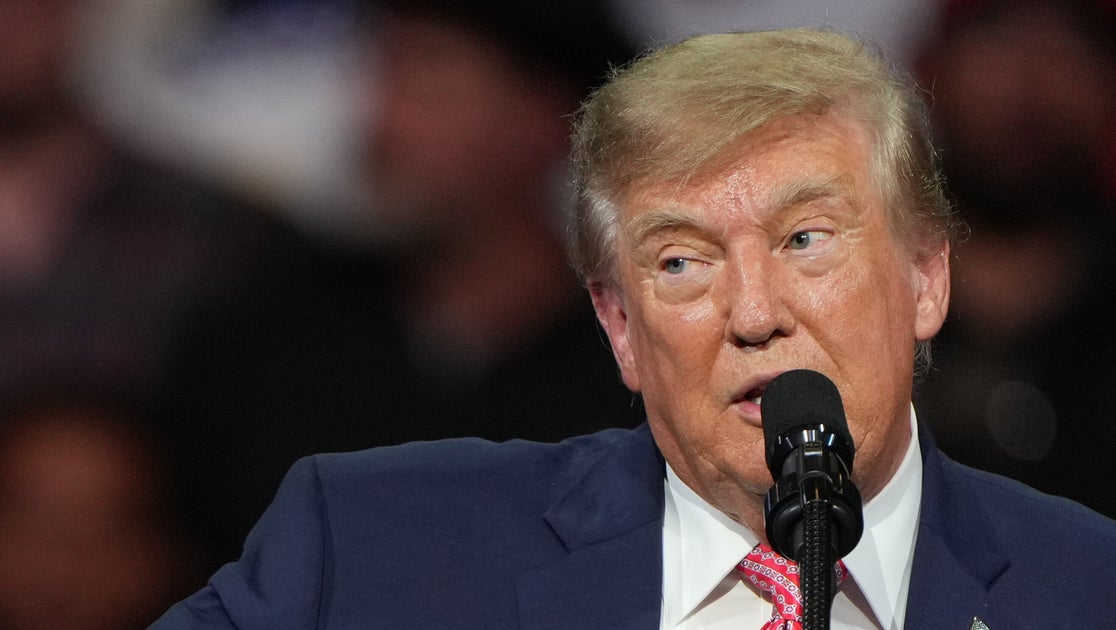
Trump Backs Marshall in Kansas Senate Race Tightened by Farm Costs
President Trump rallied in deep-red Kansas for GOP Sen. Roger Marshall in a competitive race, announcing an $8 billion farm fuel relief program amid high diesel prices. Democrats see an opening to end 94 years of GOP dominance in the state.

Trump Pauses Russia Sanctions Amid Ukraine Tensions and Missile Strikes
Trump waived sanctions on Russia and floated trilateral talks with Putin and Xi as part of ending the Ukraine war, while tensions rose with Zelenskyy over Starlink and arms. Bipartisan senators engaged Zelenskyy amid the shifts.
The Compass
You just read five takes on one story.
What's your take? Find your political shape in a few minutes.
Take the test