
Supreme Court Narrows Path for Minority Voting Protections
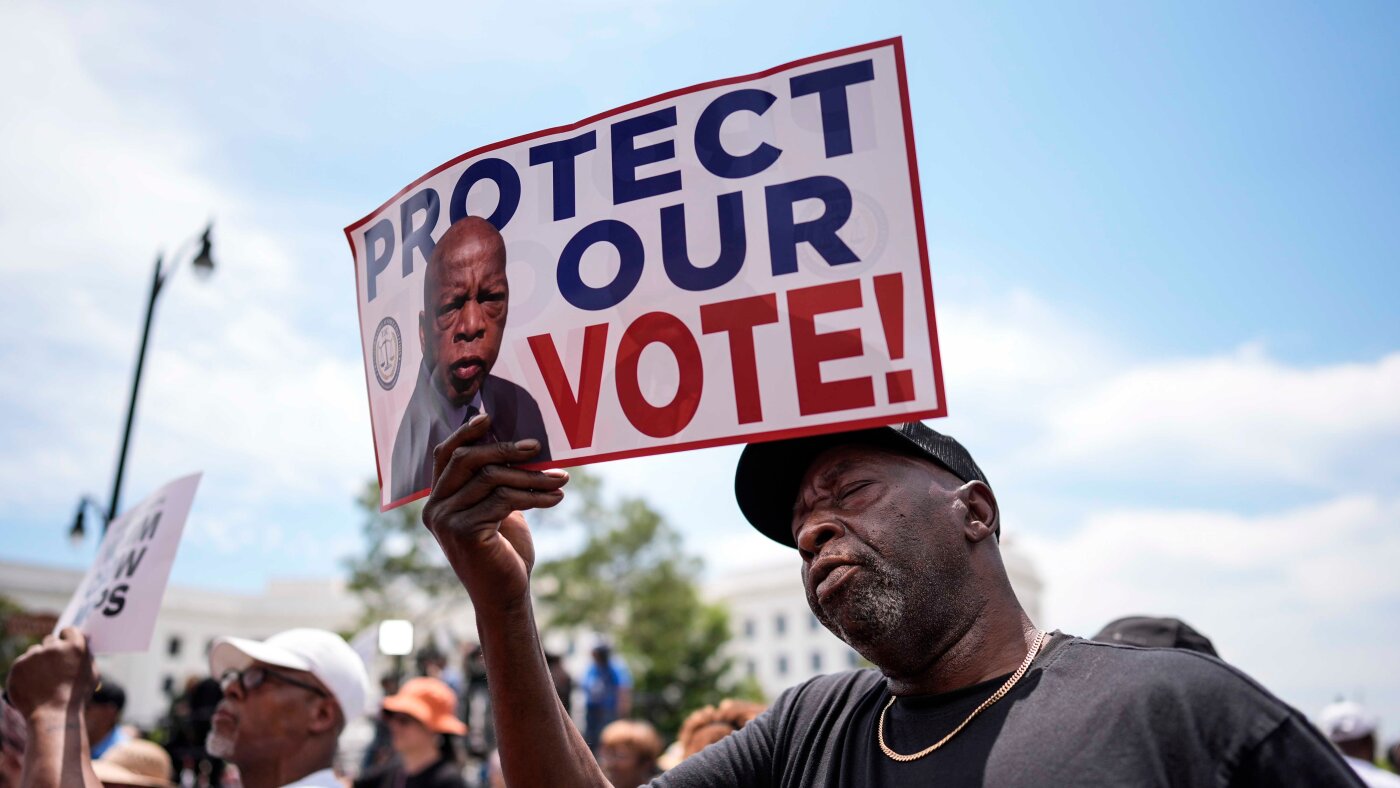
Cover image from npr.org, which was analyzed for this article
After a key Supreme Court decision, states are exploring state-level voting rights laws and redistricting as alternatives for protecting minority voting access.
PoliticalOS
Friday, June 5, 2026 — Politics
The Supreme Court has curtailed the practical reach of Section 2 of the Voting Rights Act in redistricting disputes. States now pursue narrower alternatives whose effectiveness will vary sharply by partisan control and future litigation. No single approach currently on the table restores the nationwide scope previously available under federal law.
What outlets missed
Neither outlet quoted or summarized the majority’s equal-protection analysis that formed the core of the Callais holding. Alabama officials’ statements defending the practical effects of the retained maps received no direct coverage. The precise statutory language of pending state voting rights bills and the text of the new federal lawsuit against Illinois’ law were omitted, leaving readers without primary documents against which to weigh competing claims.
Supreme Court Allows Alabama Map to Stand Striking Blow to Race Based Redistricting
The Supreme Court this week permitted Alabama to implement a congressional district map that lower courts had flagged for insufficient racial balancing. The decision narrows the reach of Section 2 of the Voting Rights Act and signals that federal judges will no longer require states to engineer districts guaranteeing proportional outcomes for Black voters.
The ruling comes in the wake of Louisiana v. Callais litigation and follows years of legal challenges that sought to treat any map failing to produce majority minority seats as presumptively illegal. Legal observers note that the Court has grown wary of interpretations that convert a statute originally aimed at removing barriers into a mandate for racial proportionality. Alabama officials maintained the map reflected traditional districting criteria such as compactness and respect for county lines rather than an effort to dilute any group's influence.
Critics from progressive outlets immediately framed the outcome as an assault on minority voting power, particularly in Southern states. Those arguments rest on the premise that polarized voting patterns between white Republicans and Black Democrats require race conscious line drawing to achieve fair results. Yet turnout data from recent cycles shows Black participation rates in Alabama and neighboring states often matching or exceeding national averages, undercutting claims of widespread suppression. The decision instead appears to restore the principle that districts should not be drawn primarily to deliver predetermined racial results.
Funding patterns behind the litigation have drawn attention as well. Groups aligned with conservative legal efforts received substantial support through donor advised funds in recent years. America First Legal, co founded by former Trump administration officials, accounted for a large share of that activity. Progressive watchdogs portray such contributions as secretive attempts to undermine civil rights protections. Similar donor structures on the left have long bankrolled organizations pushing expansive readings of the Voting Rights Act, often with little scrutiny. The pattern suggests both sides in redistricting fights rely on private money, yet only one side receives consistent condemnation in major media coverage.
With nationwide enforcement of Section 2 now more difficult, attention shifts to state legislatures. States under Democratic control may pursue their own voting measures, though these remain subject to court review and cannot replicate the former federal leverage. In Republican led states the focus is likely to remain on maps that prioritize neutral criteria over demographic targets. Lawmakers in several Southern states have already signaled they will continue drawing districts based on population and geography rather than racial formulas.
The broader debate centers on whether the Voting Rights Act should function as a tool for color blind access or as a mechanism to guarantee group outcomes. The Court's move aligns with a reading that rejects the latter approach as inconsistent with equal protection principles. For voters concerned about identity driven politics, the ruling limits the ability of activists and courts to treat race as the dominant factor in how representation is allocated. Future elections will test whether states can maintain competitive maps without triggering renewed federal intervention.
You just read America First's take. Want to read what actually happened?
More in Politics

Trump Defends Ramaswamy Ad Using Estranged Mother in Ohio Race
President Trump defended a GOP nominee's ad featuring a Democratic opponent's estranged mother, calling it powerful, while drawing criticism from some Republicans including Ohio Gov. Mike DeWine. The ad has sparked internal GOP tensions ahead of midterms.
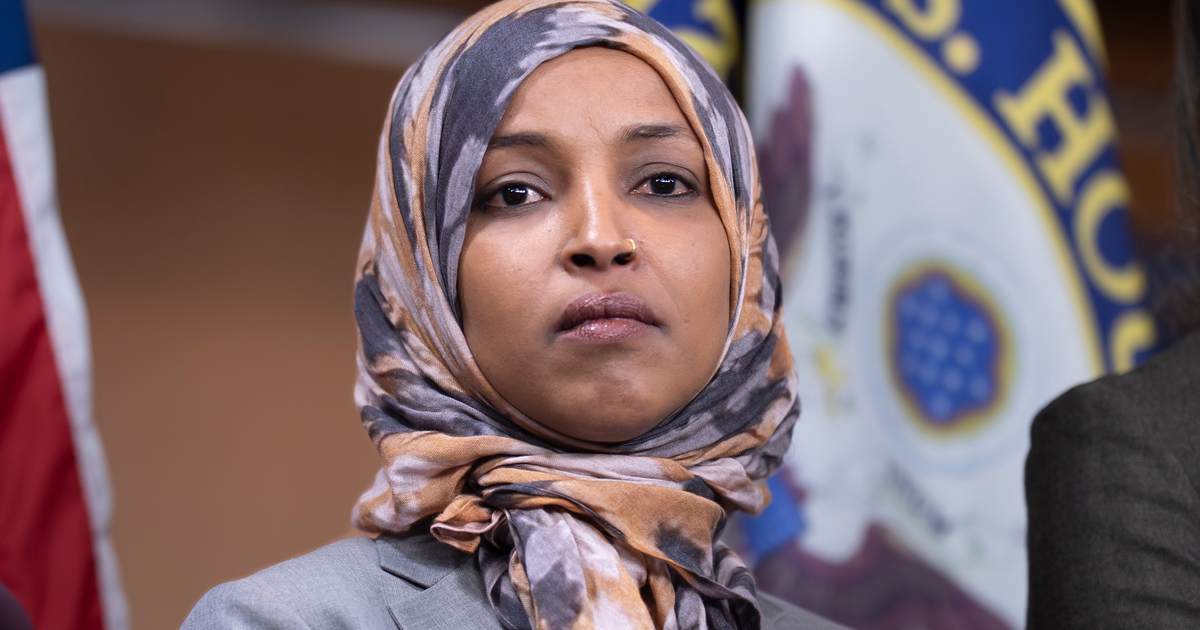
Federal Raid Targets Omar Amid Unresolved Name and Marriage Allegations
Agents searched Rep. Ilhan Omar's DC residence over immigration fraud allegations; she called it bizarre. Reports and commentary questioned her birth name and past marriage details.

Supreme Court Upholds New Hampshire Student ID Voting Ban
The Supreme Court upheld New Hampshire's ban on student IDs as valid voter identification just before midterms, affecting a tight Senate race.
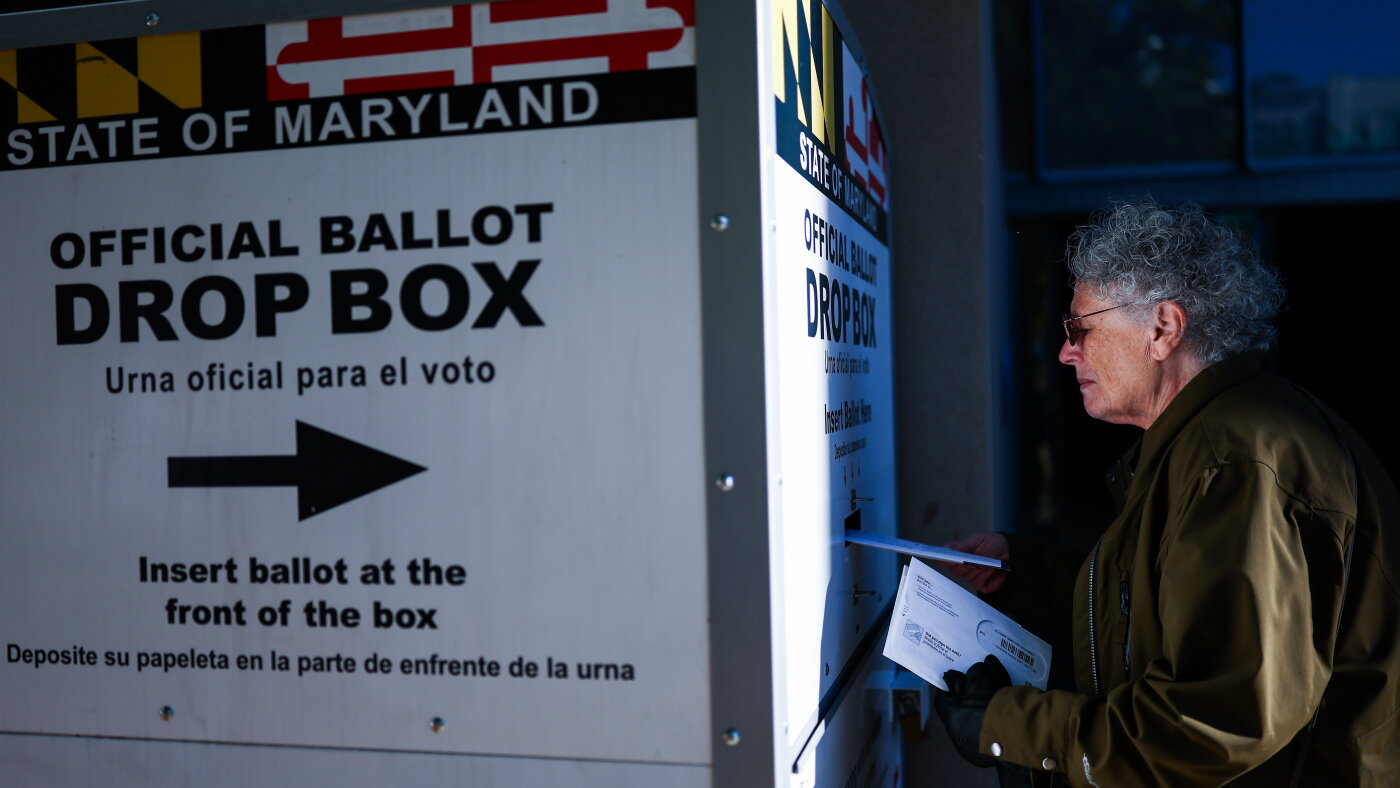
Early Voting Hits 21 Million as Most Trust Midterm Accuracy
Millions have already voted early as parties make final appeals amid $1.4 billion in ad spending; polls show confidence in election accuracy.
The Compass
You just read five takes on one story.
What's your take? Find your political shape in a few minutes.
Take the test