
Senate Parliamentarian Rejects Ballroom Security Funds in GOP Bill
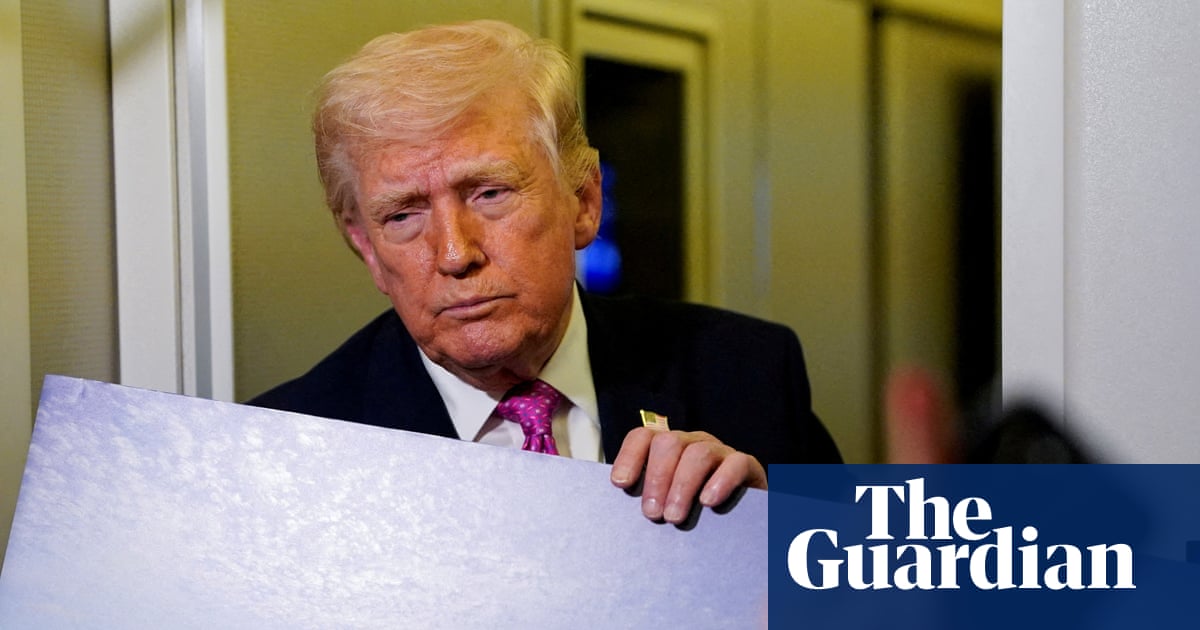
Cover image from theguardian.com, which was analyzed for this article
A ruling rejected GOP budget provisions for White House security upgrades including a new ballroom. Democrats highlighted the setback to Republican spending priorities.
PoliticalOS
Sunday, May 17, 2026 — Politics
The parliamentarian’s decision turns on Senate committee jurisdiction rules rather than a substantive rejection of security needs. Republicans retain the ability to revise the provision, though success is not assured given the 53-47 majority. Readers should track whether future drafts address the multi-agency coordination issue or shift the funding request outside reconciliation.
What outlets missed
Only NBC News reported the parliamentarian’s specific statement on multi-committee jurisdiction and the exact line-item breakdown of the $1 billion request. Most coverage omitted the non-binding advisory nature of the ruling and the ongoing redrafting already underway before the decision. Details on the April security incident cited by Republicans as justification appeared inconsistently and could not be independently verified across all accounts.
Democrats Use Senate Rules to Block Trump Ballroom Security Funds
Senate Parliamentarian Elizabeth MacDonough ruled Saturday that Republicans cannot include a billion dollars in security funding for President Trump's planned White House ballroom in a fast-track spending bill. The decision came after Democrats argued the provision violated Senate budget rules by touching on jurisdictions outside the Judiciary Committee.
Trump has insisted the $400 million ballroom itself will come from private donors. Republicans added the separate billion-dollar request to cover Secret Service upgrades tied to the project and related underground facilities. MacDonough determined the language as written would require 60 votes rather than a simple majority under reconciliation procedures.
Senate Minority Leader Chuck Schumer quickly claimed victory, saying Democrats had stopped Republicans from making taxpayers pay for an extravagant addition. Other Democrats have called the ballroom a wasteful distraction while families deal with higher costs for fuel and groceries. Trump has described the building as the finest of its kind anywhere in the world.
Republicans hold a 53-47 majority and are already rewriting the provision to address the parliamentarian's concerns. They expect to keep trying before the larger $72 billion package reaches the floor. Most of that bill focuses on immigration enforcement and border security measures.
The ruling highlights how Senate procedures can be used to slow down even popular parts of the Republican agenda. Democrats have opposed the immigration funding unless they get unrelated policy changes. The ballroom security request became an easy target for them to portray as unnecessary spending.
Trump's team maintains that proper security around any new White House structure falls under legitimate government responsibility. Private money covers construction while taxpayer dollars would handle protection details that already exist for other official buildings. Critics on the left ignore similar security outlays approved in past administrations.
The parliamentarian's role gives one unelected official significant power over what the elected majority can pass. Republicans say they will adjust the text and keep pressing forward. Democrats vow to fight the provision again if it reappears in revised form.
This episode fits a pattern where procedural hurdles slow down efforts to strengthen borders and protect the executive branch. The ballroom project itself remains on track with private support. The real question is whether security upgrades for the White House complex deserve the same level of scrutiny applied to other federal buildings.
Senate Republicans continue working on language that satisfies the rules while advancing their priorities. The outcome will show how much influence the parliamentarian wields when one party controls the chamber but falls short of a supermajority.
You just read America First's take. Want to read what actually happened?
More in Politics
Trump at 32% Approval as Gas Prices Test GOP Midterm Hopes
NYT/Siena polling showed Trump's approval at historic lows around 32 percent with Democrats leading by double digits in key districts. Early voting has surged in battleground states.

Record Early Voting Hits Battlegrounds, Shifting Partisan Shares
AP analysis found hundreds of thousands more early ballots than in 2022 in states including Texas, Ohio, Kansas, Maine, and North Carolina, shifting partisan dynamics.
Trump Backs Marshall in Kansas Senate Race Tightened by Farm Costs
President Trump rallied in deep-red Kansas for GOP Sen. Roger Marshall in a competitive race, announcing an $8 billion farm fuel relief program amid high diesel prices. Democrats see an opening to end 94 years of GOP dominance in the state.

Trump Pauses Russia Sanctions Amid Ukraine Tensions and Missile Strikes
Trump waived sanctions on Russia and floated trilateral talks with Putin and Xi as part of ending the Ukraine war, while tensions rose with Zelenskyy over Starlink and arms. Bipartisan senators engaged Zelenskyy amid the shifts.
The Compass
You just read five takes on one story.
What's your take? Find your political shape in a few minutes.
Take the test