
Senate Rejects Democrats' Fifth Bid to Limit Trump's Iran War Powers
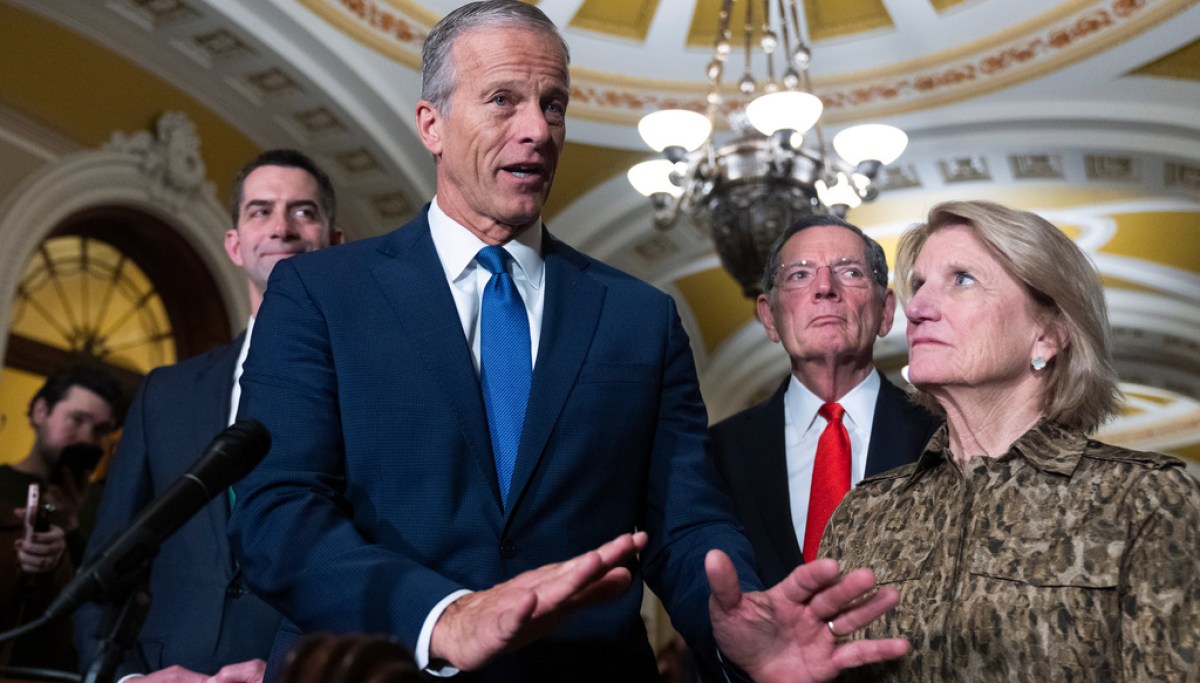
Cover image from washingtonexaminer.com, which was analyzed for this article
Republicans defeated the fifth Democratic attempt to restrict Trump's authority in the Iran conflict, affirming his flexibility. Votes underscore partisan divide on military actions. Ties into broader Hormuz and ceasefire debates.
PoliticalOS
Thursday, April 23, 2026 — Politics
Senate Republicans continue to back President Trump's flexibility to conduct operations against Iran, defeating Democratic resolutions for the fifth time. The 51-46 vote leaves the administration in charge as the War Powers Act 60-day limit nears, even as casualties mount, gas prices rise and cease-fire talks proceed. Readers should understand the constitutional tension remains unresolved along strict partisan lines.
What outlets missed
Most coverage omitted the approaching April 28 deadline under the War Powers Act, which will legally require the administration to obtain congressional authorization or withdraw forces. Reports also underplayed Sen. Lisa Murkowski's role in drafting potential authorizing legislation and her early acknowledgment that Trump should have sought Congress's approval from the start. The full sequence of Iranian retaliatory strikes on U.S. and allied targets after the initial Feb. 28 action received limited attention, as did details on third-party mediation involving Pakistan that preceded the cease-fire extension. Finally, the precise mechanics of Democratic plans for weekly votes and debates to keep the issue alive were rarely explained in full.
Senate Funds Border Enforcement Agencies in Late Night Showdown
Senate Republicans pushed through a budget resolution early Thursday that will pour billions into Immigration and Customs Enforcement and Customs and Border Protection, delivering a clear win for stronger border security during President Trump's second term. The measure passed in a 50-48 vote after an all-night "vote-a-rama" that stretched past 3:30 a.m., exposing once again how little the modern Democratic Party cares about stopping illegal crossings and enforcing America's immigration laws.
Only two Republicans broke ranks and voted against the resolution, Sens. Rand Paul of Kentucky and Lisa Murkowski of Alaska. Sens. Chuck Grassley of Iowa and Mark Warner of Virginia did not vote. The resolution now heads to the House, where its fate is uncertain but where Republicans are expected to advance the process toward actual funding bills. This blueprint sets the stage for using budget reconciliation to lock in money for ICE and Border Patrol through the end of Trump's term, bypassing the usual Democratic obstruction that has crippled enforcement for years.
The contrast could not have been clearer. While Republicans focused on agencies tasked with removing criminal aliens and securing the nation's frontiers, Democrats spent the night offering amendments on unrelated issues like healthcare costs. Senate Minority Leader Chuck Schumer took to the floor to complain that the GOP was choosing to fund "two groups that nobody respects in this country" rather than addressing out-of-pocket medical expenses. The New York Democrat's remarks laid bare the priorities of his party: talk about domestic programs while ignoring the very real costs of unchecked illegal immigration, including strains on hospitals, schools, and public services that hit working Americans hardest.
Senate Majority Whip John Barrasso fired back that the problem is not the agents doing their jobs but "reckless Democrat hostage-taking." Barrasso pointed out that today's Democratic Party has become radical on border issues, treating law enforcement personnel as the enemy instead of the cartels, smugglers, and millions of illegal entrants who have overwhelmed the system. This resolution is a direct response to years of Democrats blocking proper funding unless it came with strings that weakened enforcement.
The late-night session took place against the backdrop of another revealing Democratic priority. Just hours earlier, Senate Republicans had blocked a fifth attempt by Democrats to pass a War Powers Resolution that would have tied President Trump's hands in the ongoing conflict with Iran. That measure failed on a mostly party-line 51-46 vote, with Paul once again joining Democrats and Sen. John Fetterman of Pennsylvania voting with Republicans. Sen. Tammy Baldwin called the Iran conflict "unnecessary, illegal and unwise," while Sen. Tammy Duckworth promised Democrats would keep trying to force an end to what she called Trump's "war of choice."
These parallel fights reveal much about where each party stands. Democrats appear far more animated about limiting the president's options against a hostile foreign regime than about giving American border agents the resources they need to do their jobs. While Maggie Haberman and others in the press corps report that Trump is growing frustrated with the intractable Iran situation now dragging into its second month, his administration continues to deliver on the domestic promise that helped return him to office: securing the southern border.
The funding resolution represents more than numbers on a page. It signals an end to the half-measures and deliberate neglect that defined border policy during the Biden years. Under Trump, ICE and Border Patrol are once again being treated as essential defenders of American sovereignty rather than obstacles to some open-borders vision. Billions directed to these agencies will help hire agents, upgrade technology, expand detention capacity, and support the large-scale removals that polls consistently show most Americans support.
Democrats' complaints about "high costs" ring hollow when measured against the actual price tag of illegal immigration. State and local governments have spent billions on shelter, healthcare, and education for millions of newcomers, many of whom entered under policies that effectively encouraged mass migration. The same politicians who lecture about compassion have shown little regard for the working-class communities transformed by fentanyl deaths, gang activity, and wage suppression.
Republicans are right to use every tool at their disposal, including reconciliation, to prevent Democrats from holding border security hostage. The American people elected Trump and a Republican Senate to restore order at the border. This vote moves that promise closer to reality. Whether the House follows through in its current form remains to be seen, but the message from the upper chamber is unmistakable: enforcement is back on the table, and the excuses for ignoring the invasion have run out.
The overnight session showed both the determination of Senate Republicans and the disconnect of their opponents. While Democrats fixate on constraining Trump abroad and changing the subject to healthcare, the country continues to pay the price for open borders at home. This resolution is a necessary corrective, one that puts agents on the line in a better position to do the work Americans have demanded for years.
You just read America First's take. Want to read what actually happened?
More in Politics

Trump Defends Ramaswamy Ad Using Estranged Mother in Ohio Race
President Trump defended a GOP nominee's ad featuring a Democratic opponent's estranged mother, calling it powerful, while drawing criticism from some Republicans including Ohio Gov. Mike DeWine. The ad has sparked internal GOP tensions ahead of midterms.

Federal Raid Targets Omar Amid Unresolved Name and Marriage Allegations
Agents searched Rep. Ilhan Omar's DC residence over immigration fraud allegations; she called it bizarre. Reports and commentary questioned her birth name and past marriage details.

Supreme Court Upholds New Hampshire Student ID Voting Ban
The Supreme Court upheld New Hampshire's ban on student IDs as valid voter identification just before midterms, affecting a tight Senate race.
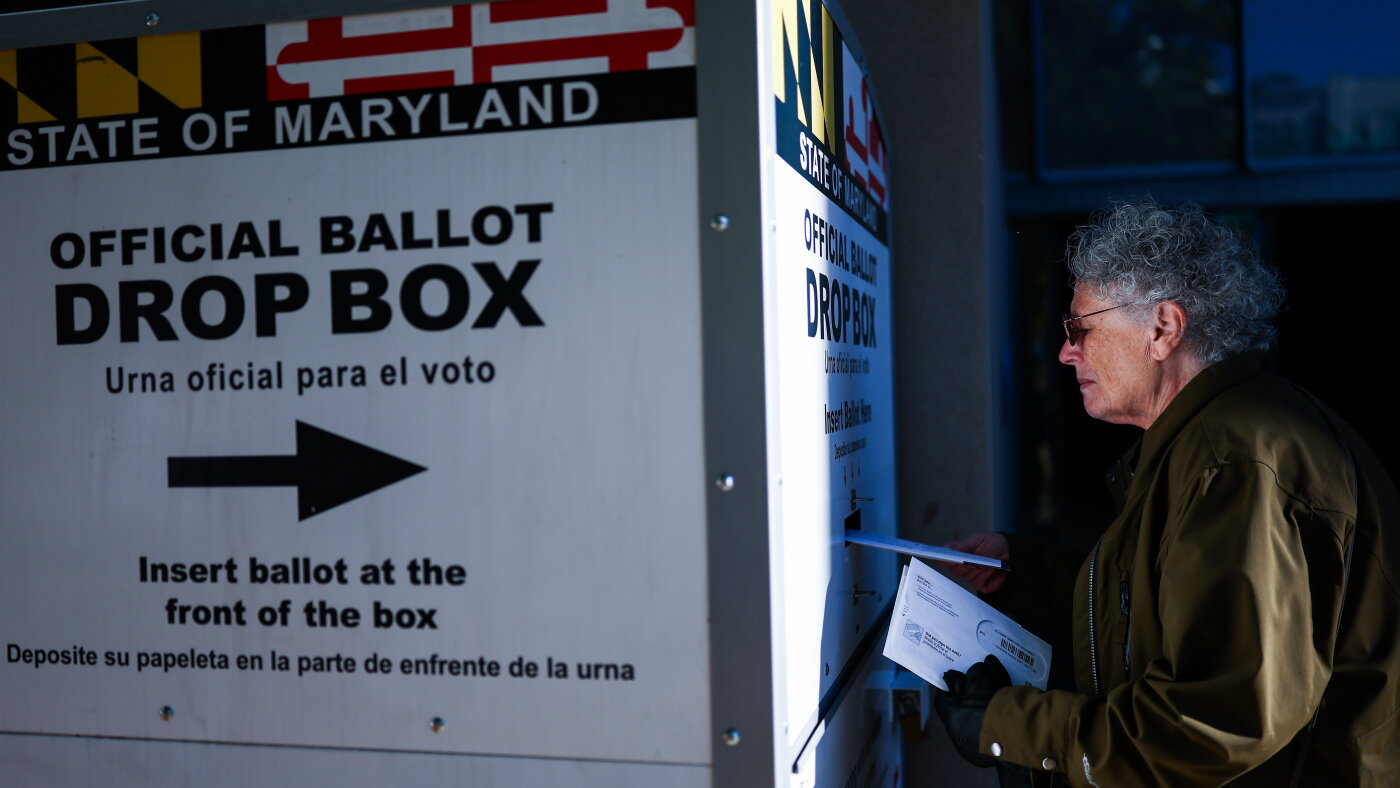
Early Voting Hits 21 Million as Most Trust Midterm Accuracy
Millions have already voted early as parties make final appeals amid $1.4 billion in ad spending; polls show confidence in election accuracy.
The Compass
You just read five takes on one story.
What's your take? Find your political shape in a few minutes.
Take the test