
Senate GOP Holds Up Nominees, Curbs Trump on Iran War
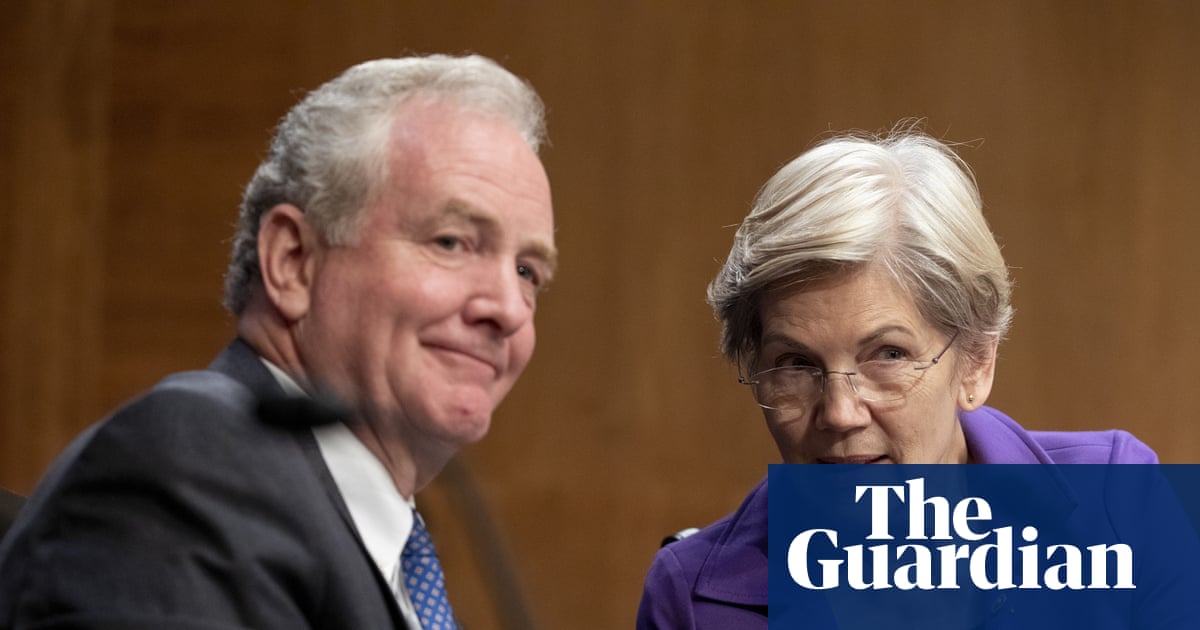
Cover image from theguardian.com, which was analyzed for this article
Senate actions on Iran war powers, Blanche nomination, and other priorities show growing GOP pushback against Trump agenda.
PoliticalOS
Friday, July 31, 2026 — Politics
Senate Republicans facing midterm pressure have used holds and cross-party votes to slow Trump’s attorney-general nominee and require congressional approval for continued Iran operations. These actions test the durability of unified party support in the upper chamber.
What outlets missed
Neither the Sun-Times nor the Guardian identified which Republican senators crossed over on the 49-50 war-powers vote or explained their stated reasons during floor debate. Both pieces omitted the precise constitutional language of the War Powers Resolution and prior congressional invocations of the same statute. The Sun-Times column contained an inaccurate claim that three senators forced withdrawal of the Pulte nomination; no public records confirm that sequence. The Guardian supplied casualty and cost figures without linking them to specific funding votes or appropriations requests under consideration.
Senate Republicans have begun using their constitutional powers to slow or block elements of President Trump’s agenda, creating the first sustained friction in his second term. The moves center on two fronts: delaying confirmation of a new attorney general and restricting unilateral military action against Iran.
Senators Thom Tillis of North Carolina and John Cornyn of Texas, both retiring after Trump-backed primary challenges, have refused to advance Todd Blanche’s nomination to lead the Justice Department. They are demanding a written assurance that the administration will not create a $1.8 billion fund to pursue what they describe as political targets. Trump has indicated he may withdraw the nomination until both senators leave office. Three other Republicans—Bill Cassidy of Louisiana, Susan Collins of Maine, and Lisa Murkowski of Alaska—joined to block Bill Pulte’s appointment as director of national intelligence, forcing the White House to abandon that effort.
On war powers, a bipartisan group that included Cassidy and Rand Paul of Kentucky supported a resolution requiring congressional approval for continued operations in Iran. The measure failed 49-50. The conflict, which began in February, has already cost tens of billions of dollars, wounded hundreds of U.S. service members, and killed 18, according to congressional and administration statements. A similar House resolution passed earlier with four Republican votes.
Majority Leader John Thune has resisted Trump’s call to eliminate the legislative filibuster and has told the president to secure votes himself rather than expect automatic support. These actions occur with the 2026 midterms approaching and multiple Republican retirements already announced. The Senate’s advice-and-consent role, outlined in Article II, Section 2 of the Constitution, has historically produced near-unanimous party-line confirmations in recent transitions; the current pattern marks a departure from that record.
More in Politics

Federal Agents Search Omar Home in Ongoing Immigration Probe
Homeland Security agents searched the Minnesota Democrat's DC residence in a criminal probe, prompting accusations of political intimidation from Omar and Democratic leaders. Coverage spans left-leaning outlets like NPR, BBC, and The Guardian alongside right-leaning criticism from The Federalist and Daily Wire.

Trump Diesel Import Plan Draws Pushback Over Russia Ties
The weekend agreement drew bipartisan congressional pushback and criticism from Ukraine's Zelenskyy, with analysts downplaying US fuel price impacts. Right-leaning outlets like National Review, Dispatch, and Washington Examiner questioned its legality and effectiveness.

Independents Test Voter Appetite for Middle Ground in 2026 Midterms
Nearly 200 independents are running in competitive races as voters weigh ballot measures on housing costs in states like Massachusetts. Left-leaning coverage from NYT, NPR, and Guardian highlights turnout and key races while right outlets focus on GOP strategy.
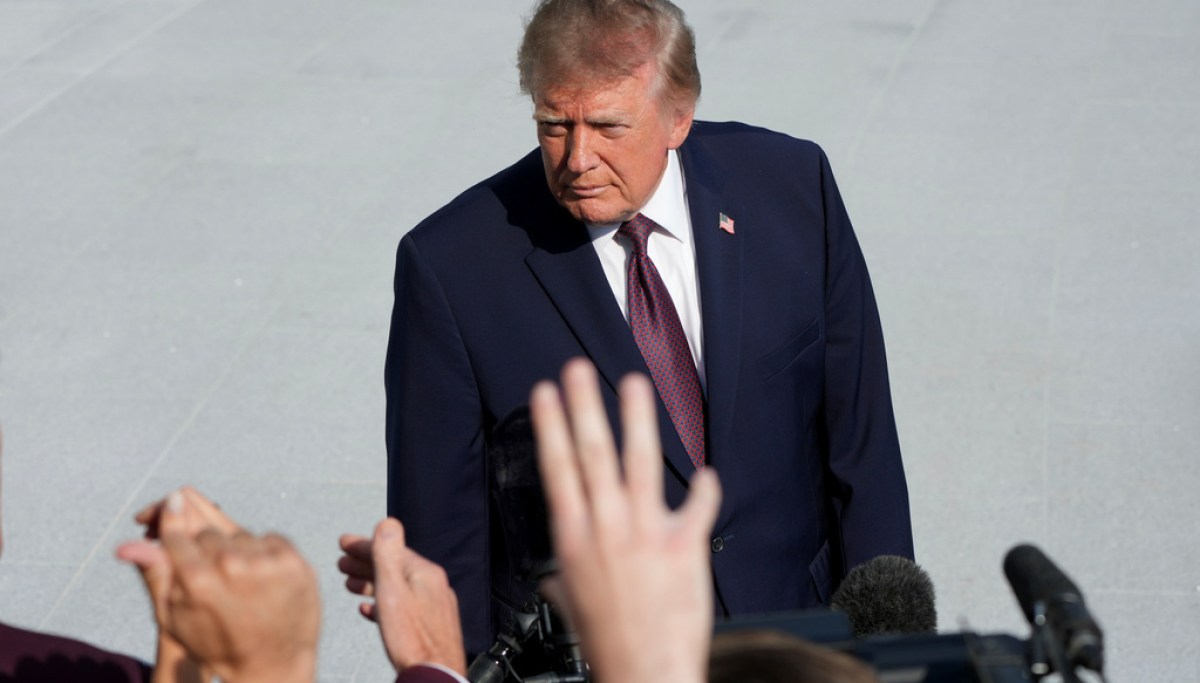
Trump Rallies in Alaska, Ohio to Bolster GOP Senate Candidates
The president rallied in Wasilla for Sen. Dan Sullivan and faced empty seats at an Ohio event amid midterm concerns. Outlets across the spectrum covered the trips as signals of GOP vulnerability weeks before Election Day.
The Compass
You just read five takes on one story.
What's your take? Find your political shape in a few minutes.
Take the test