
Senate Passes Budget Resolution to Fund ICE, Border Patrol for Trump's Term
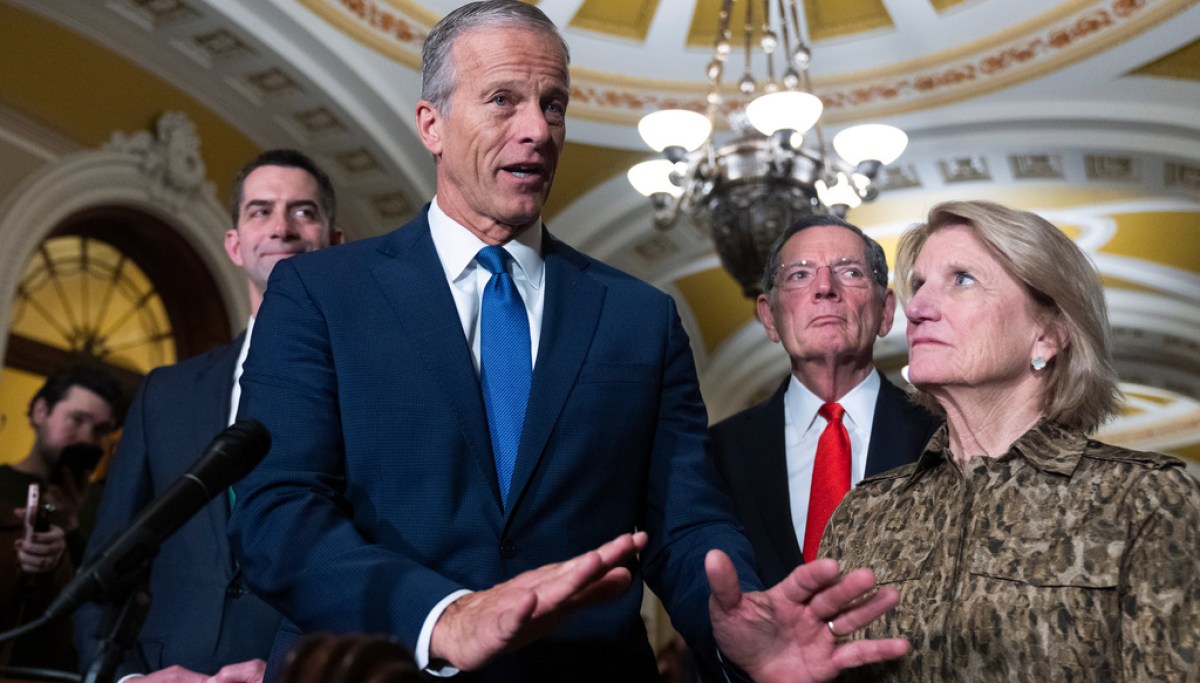
Cover image from washingtonexaminer.com, which was analyzed for this article
The Senate passed a budget resolution after a marathon vote-a-rama, allowing Republicans to fund ICE expansions and Border Patrol without Democratic support via reconciliation. This sets the stage for ongoing immigration enforcement through Trump's term, bypassing opposition attempts. Multiple outlets highlight the partisan maneuver amid spending debates.
PoliticalOS
Thursday, April 23, 2026 — Politics
Senate Republicans have used a budget maneuver to guarantee funding for immigration enforcement agencies through the end of President Trump's term, ending a prolonged partial shutdown of the Department of Homeland Security but deepening partisan rifts. The action came after Democrats refused to support appropriations without new limits on agent conduct following two high-profile deaths during enforcement operations. Readers should understand that reconciliation enables majority rule on spending but carries procedural limits, and the House must still act before any money is actually appropriated.
What outlets missed
Most coverage omitted that the two January deaths occurred during a large-scale Trump administration immigration enforcement operation known as Operation Metro Surge involving thousands of agents. Specifics around each incident, including claims of resistance, vehicle threats or seized weapons, appeared in only a subset of reports and could not be independently verified. Outlets also underplayed internal Republican unease about altering long-term appropriations norms through reconciliation and the fact that last year's tax and spending package had already provided substantial prior funding that sustained partial operations. Few noted the House GOP's explicit sequencing demands or the risk that adding non-germane provisions could trigger Byrd rule challenges. The precise payroll figures and exhaustion timeline cited by DHS officials varied without clear sourcing in several accounts.
Senate Republicans Override Democrats to Fund Border Enforcement Amid Shutdown Crisis
WASHINGTON — Senate Republicans took decisive action early Thursday to safeguard America's borders, advancing a budget resolution that funds Immigration and Customs Enforcement and Border Patrol despite months of Democratic efforts to cripple these agencies and prolong the longest partial government shutdown in history. The 50-48 vote, coming after an overnight "vote-a-rama" that stretched into the pre-dawn hours, marks the first step in using the budget reconciliation process to bypass Democratic obstruction and ensure law enforcement at the border remains operational through the remainder of President Trump's term.
The Department of Homeland Security has been largely dark since mid-February, a direct result of Democrats in Congress refusing to fund core operations unless they could impose sweeping changes on how agents do their jobs. Those demands intensified after two U.S. citizens were killed in incidents involving federal agents earlier this year, which Democrats seized upon to push for restrictions like mandatory body cameras and limits on enforcement actions near schools and hospitals. Republicans rightly viewed these moves as transparent attempts to defund and demoralize the men and women tasked with stopping illegal immigration, drugs, and potential threats from entering the country.
Senate Majority Leader John Thune of South Dakota made the stakes clear. "We have a multistep process ahead of us, but at the end Republicans will have helped ensure that America's borders are secure and prevented Democrats from defunding these important agencies," he said. The resolution authorizes up to $70 billion over roughly three and a half years for ICE and CBP, giving committees until mid-May to craft the final legislation with an eye toward passage by President Trump's June 1 deadline. By using reconciliation, Republicans needed only a simple majority, avoiding the 60-vote filibuster threshold that Democrats have exploited to hold national security hostage.
The overnight session highlighted the stark contrast between the parties. Democrats flooded the process with amendments on healthcare costs, food prices, and energy, clearly aiming to shift attention from their refusal to secure the border. Senate Minority Leader Chuck Schumer of New York complained that Republicans were "pumping hundreds of billions of dollars into ICE and Border Patrol" instead of addressing out-of-pocket costs for Americans. What Schumer failed to mention is that his party's radical stance has left border communities reeling from record illegal crossings, fentanyl deaths, and strained resources while federal agents sit idle or furloughed.
Not every Republican fell in line. Senators Rand Paul of Kentucky and Lisa Murkowski of Alaska voted against the resolution, joining all Democrats in a 50-48 tally. Senators Chuck Grassley and Mark Warner did not vote. Still, the outcome sends a clear message: the era of letting Democrats dictate weak enforcement policies is over. Senate Budget Committee Chairman Lindsey Graham and other GOP leaders framed this as essential to restoring order after Democrats spent years painting ICE and Border Patrol as villains rather than the frontline defenders they are.
This maneuver echoes the reconciliation process Republicans used last year to advance tax and spending reforms without Democratic votes. It is complicated, requiring scrutiny from the Senate parliamentarian and multiple rounds of amendments, but it offers the only path forward after bipartisan talks collapsed. House Republicans are expected to take up the measure soon, though it remains unclear if changes will be demanded there. Once finalized, the funding bill could also unlock separate bipartisan legislation to reopen the rest of DHS, ending the shutdown that has dragged on for more than two months.
Democrats have portrayed the fatal shootings as evidence of systemic abuse requiring immediate overhaul. Yet many Americans see these incidents against the backdrop of a border crisis that exploded under previous Democratic priorities, with overwhelmed agents, surging encounters, and communities bearing the costs of unchecked illegal immigration. Republicans argue that hamstringing enforcement with new rules would only invite more chaos, not resolve underlying problems.
President Trump has repeatedly stressed that strong borders are non-negotiable, and this budget push aligns with that mandate. By funding these agencies through the end of his term, Republicans are insulating them from future political gamesmanship. Senate Majority Whip John Barrasso of Wyoming put it bluntly, noting that the agents are not the problem. "Democrats are," he said, describing the opposition as a "rogue and radical party" engaged in reckless hostage-taking.
For months, Democrats insisted they would not support funding without "accountability" measures. That intransigence forced Republicans' hand, turning what should have been routine government funding into a partisan standoff. The American people, particularly those living in states along the southern border, have paid the price through increased crime, overburdened services, and a sense that Washington prioritizes political posturing over basic sovereignty.
As the process moves to the House and committees begin drafting the actual spending bill, Republicans appear determined to follow through. The message from the Senate floor this week was unmistakable: border security is not optional, and attempts to defund the agencies charged with maintaining it will no longer be tolerated. While Democrats decry the price tag and the process, millions of citizens understand the real cost of an open border and a government unwilling to enforce its own laws. This vote represents a long-overdue correction, putting the safety of American communities ahead of partisan demands for weaker enforcement.
You just read America First's take. Want to read what actually happened?
More in Politics
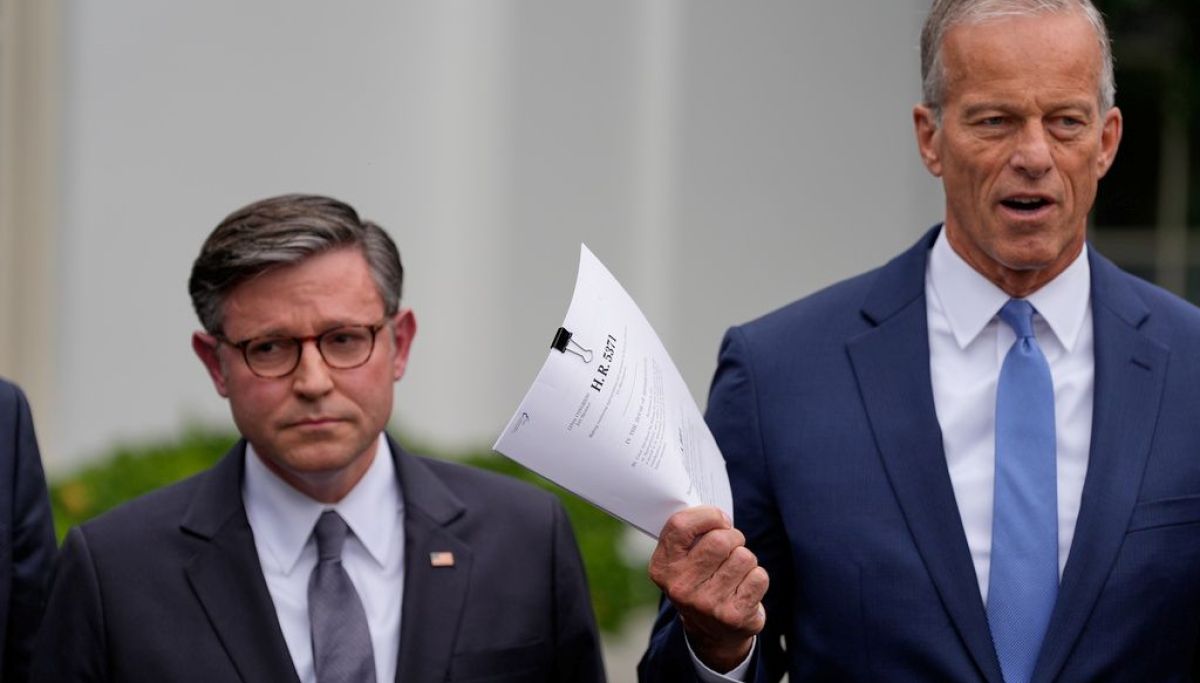
Trump at 32% Approval as Gas Prices Test GOP Midterm Hopes
NYT/Siena polling showed Trump's approval at historic lows around 32 percent with Democrats leading by double digits in key districts. Early voting has surged in battleground states.

Record Early Voting Hits Battlegrounds, Shifting Partisan Shares
AP analysis found hundreds of thousands more early ballots than in 2022 in states including Texas, Ohio, Kansas, Maine, and North Carolina, shifting partisan dynamics.
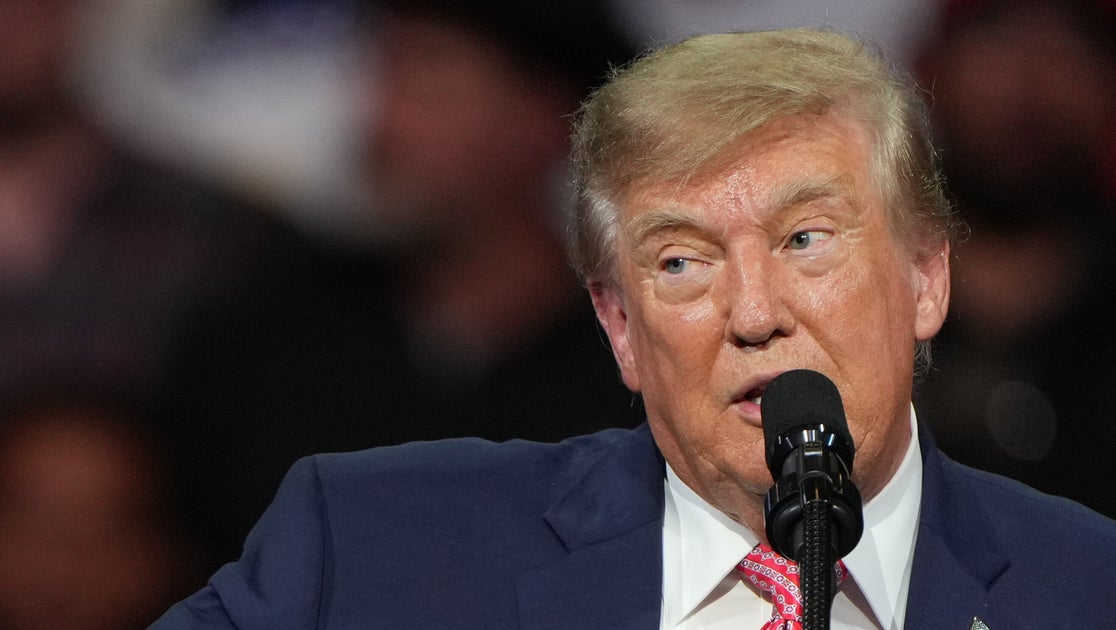
Trump Backs Marshall in Kansas Senate Race Tightened by Farm Costs
President Trump rallied in deep-red Kansas for GOP Sen. Roger Marshall in a competitive race, announcing an $8 billion farm fuel relief program amid high diesel prices. Democrats see an opening to end 94 years of GOP dominance in the state.

Trump Pauses Russia Sanctions Amid Ukraine Tensions and Missile Strikes
Trump waived sanctions on Russia and floated trilateral talks with Putin and Xi as part of ending the Ukraine war, while tensions rose with Zelenskyy over Starlink and arms. Bipartisan senators engaged Zelenskyy amid the shifts.
The Compass
You just read five takes on one story.
What's your take? Find your political shape in a few minutes.
Take the test