
Senate Parliamentarian Rejects $1 Billion White House Security Funds
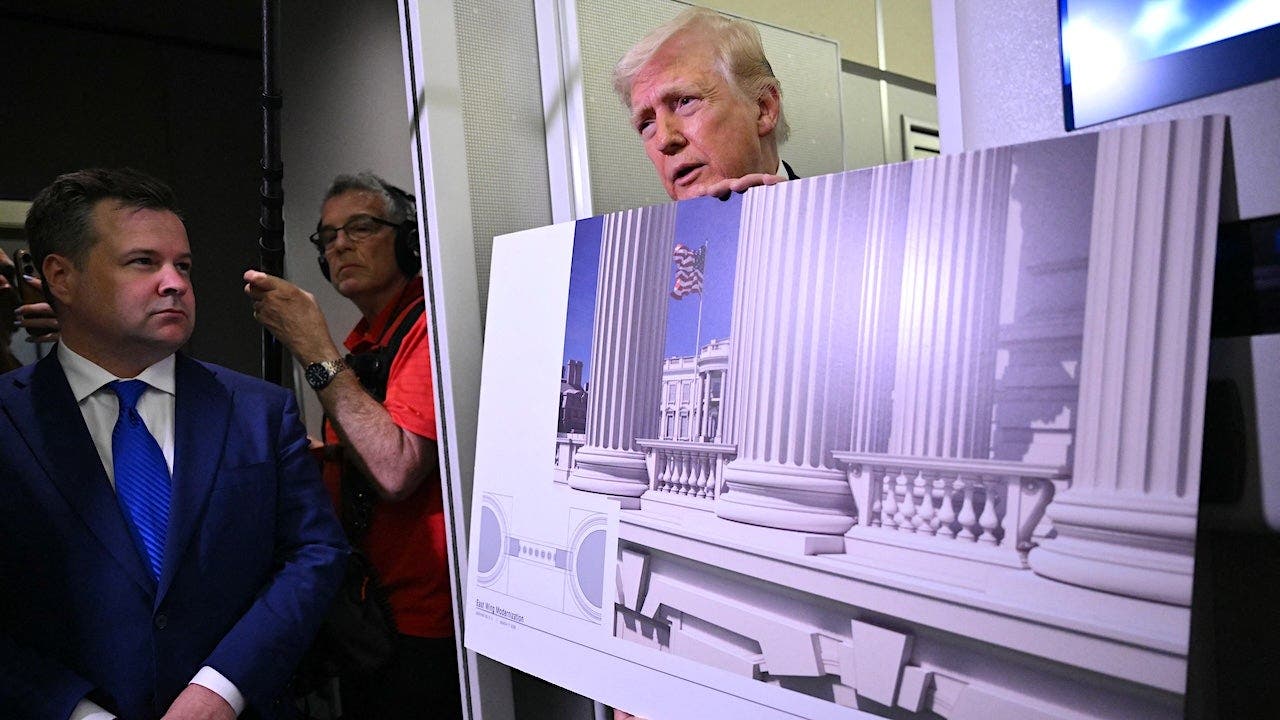
Cover image from foxnews.com, which was analyzed for this article
A ruling struck down $1 billion in a GOP budget bill for enhanced White House security and renovations, dealing a setback to Republican priorities.
PoliticalOS
Sunday, May 17, 2026 — Politics
The parliamentarian’s decision creates a procedural hurdle for $1 billion in security funding but does not end Republican efforts to revise the provision. The underlying tension remains whether taxpayer dollars should support White House infrastructure changes connected to a privately financed presidential project amid ongoing security concerns and partisan disagreement over spending priorities.
What outlets missed
Most coverage gave limited attention to the precise breakdown of the $1 billion request into hardening, screening, and Secret Service operations. Few outlets noted that the parliamentarian’s decision is advisory and can be overruled by a simple majority vote of the Senate. The connection between the funding request and a documented April security incident at a public event attended by Trump received uneven emphasis across reports. Details on the East Wing demolition and the ongoing historic-preservation lawsuit appeared in some accounts but were omitted from others, leaving the procedural fight without its physical and legal backdrop.
Senate Bureaucrat Stymies Trump Ballroom Security Funds in GOP Spending Bill
Senate Parliamentarian Elizabeth MacDonough has ruled against including $1 billion for Secret Service security upgrades in a Republican budget reconciliation package, dealing a setback to efforts to bolster protections around President Donald Trump's planned White House ballroom. The decision comes as Republicans push a broader roughly $72 billion measure heavy on immigration enforcement funding for ICE and Border Patrol operations.
MacDonough determined that the security provision as written reaches beyond the jurisdiction of the Senate Judiciary Committee and improperly mixes elements that would require a full 60-vote threshold rather than the simple majority allowed under reconciliation rules. Republicans had already been adjusting the language in recent days after early feedback from Senate officials, and they signaled plans to keep refining the text in hopes of satisfying the parliamentarian's concerns. A spokesman for Senate Majority Leader John Thune indicated the process remains ongoing with further drafts expected.
The funding in question targets security improvements linked to the ballroom and related underground facilities rather than the construction itself. Trump has repeatedly stated that private donors will cover the estimated $400 million cost of the ballroom, which he has described as a world-class addition to the White House. The Secret Service allocation would address operational needs that arise from expanded White House infrastructure and events. Democrats have attacked the overall idea as an extravagant use of taxpayer dollars during a period of economic pressure on American families.
This ruling highlights the outsized influence of an unelected Senate official in shaping legislation that voters sent Republicans to enact. With a 53-47 majority, the GOP still falls short of the votes needed to overcome procedural hurdles on most matters, forcing reliance on reconciliation to advance priorities like stricter border controls. Democrats have opposed key immigration provisions in the package, citing past incidents involving federal agents, even as public concern over illegal crossings and related security gaps remains high. The parliamentarian's intervention effectively threatens to slow or alter parts of that enforcement push by complicating the security line item.
Republicans argue the security funding serves practical government functions that span multiple agencies and should not be blocked on narrow jurisdictional grounds. They note that similar adjustments have occurred in past reconciliation efforts without derailing the broader agenda. Senate Judiciary Committee Republicans described ongoing conversations aimed at resolving the issues through revised wording. If the changes fail to clear the parliamentarian, the $1 billion could be stripped from the final package before a floor vote expected along party lines.
Critics from the left have framed the ballroom project as disconnected from everyday concerns such as fuel costs and household budgets. Yet supporters point out that White House security enhancements address real operational demands regardless of how the main structure is financed. The episode underscores recurring tensions between elected leaders seeking to implement campaign promises and procedural gatekeepers who can redirect or delay those initiatives. Republicans maintain they will continue working to bring the provision into compliance while preserving the immigration enforcement core of the legislation.
You just read America First's take. Want to read what actually happened?
More in Politics

Trump at 32% Approval as Gas Prices Test GOP Midterm Hopes
NYT/Siena polling showed Trump's approval at historic lows around 32 percent with Democrats leading by double digits in key districts. Early voting has surged in battleground states.

Record Early Voting Hits Battlegrounds, Shifting Partisan Shares
AP analysis found hundreds of thousands more early ballots than in 2022 in states including Texas, Ohio, Kansas, Maine, and North Carolina, shifting partisan dynamics.

Trump Backs Marshall in Kansas Senate Race Tightened by Farm Costs
President Trump rallied in deep-red Kansas for GOP Sen. Roger Marshall in a competitive race, announcing an $8 billion farm fuel relief program amid high diesel prices. Democrats see an opening to end 94 years of GOP dominance in the state.

Trump Pauses Russia Sanctions Amid Ukraine Tensions and Missile Strikes
Trump waived sanctions on Russia and floated trilateral talks with Putin and Xi as part of ending the Ukraine war, while tensions rose with Zelenskyy over Starlink and arms. Bipartisan senators engaged Zelenskyy amid the shifts.
The Compass
You just read five takes on one story.
What's your take? Find your political shape in a few minutes.
Take the test