
Senate Parliamentarian Rejects $1 Billion White House Security Funds
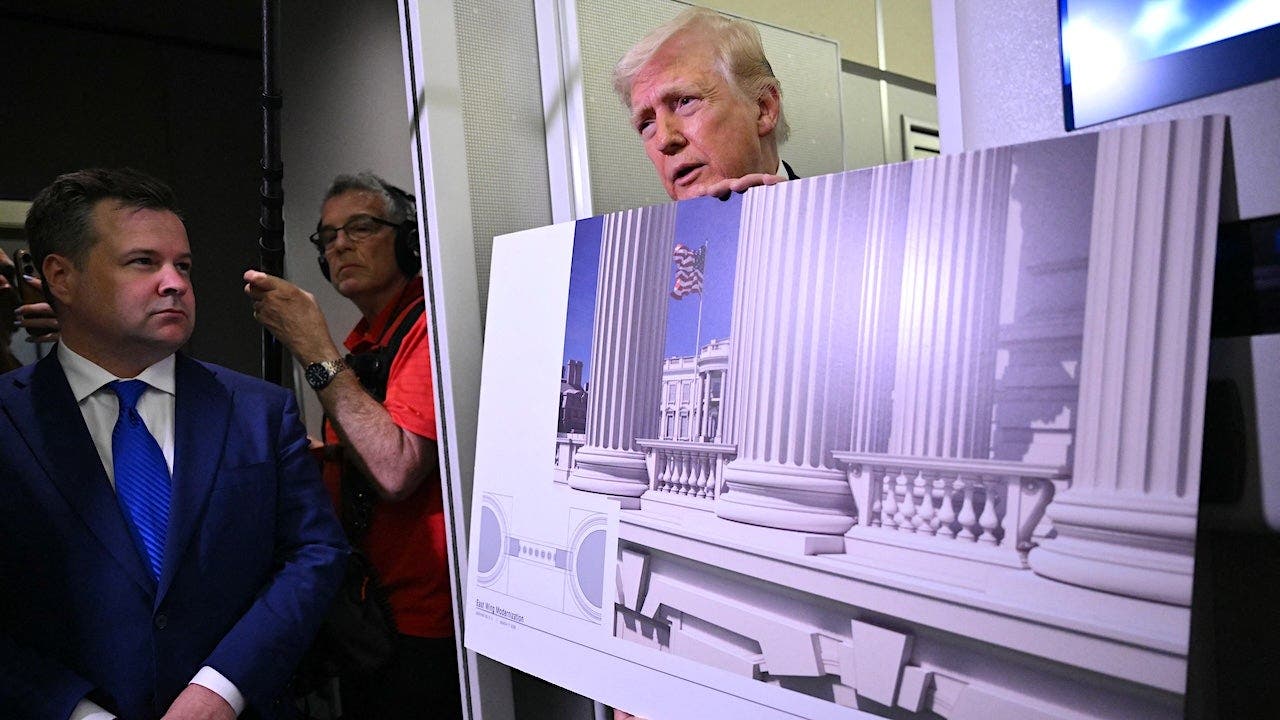
Cover image from foxnews.com, which was analyzed for this article
A ruling struck down $1 billion in a GOP budget bill for enhanced White House security and renovations, dealing a setback to Republican priorities.
PoliticalOS
Sunday, May 17, 2026 — Politics
The parliamentarian’s decision creates a procedural hurdle for $1 billion in security funding but does not end Republican efforts to revise the provision. The underlying tension remains whether taxpayer dollars should support White House infrastructure changes connected to a privately financed presidential project amid ongoing security concerns and partisan disagreement over spending priorities.
What outlets missed
Most coverage gave limited attention to the precise breakdown of the $1 billion request into hardening, screening, and Secret Service operations. Few outlets noted that the parliamentarian’s decision is advisory and can be overruled by a simple majority vote of the Senate. The connection between the funding request and a documented April security incident at a public event attended by Trump received uneven emphasis across reports. Details on the East Wing demolition and the ongoing historic-preservation lawsuit appeared in some accounts but were omitted from others, leaving the procedural fight without its physical and legal backdrop.
Senate Parliamentarian Blocks Republican Effort to Fund Trump Ballroom Security With Public Money
A key Senate official has thrown a wrench into Republican plans to direct $1 billion in taxpayer funds toward security upgrades tied to President Donald Trump's proposed White House ballroom. The ruling from Parliamentarian Elizabeth MacDonough came Saturday and centers on a provision buried in a broader budget reconciliation package that Republicans hoped to pass along party lines.
MacDonough determined that the funding language, as written, improperly spans the jurisdictions of multiple Senate committees and therefore cannot move forward under the fast-track reconciliation process. That process allows legislation to advance with a simple majority rather than the usual 60 votes needed to overcome a filibuster. The parliamentarian noted that a project of this scale would require coordination across agencies well beyond the Judiciary Committee's purview, forcing Republicans to either rewrite the measure or accept a higher vote threshold.
Trump has long insisted the ballroom itself would be built with roughly $400 million in private donations. Senate Republicans, however, have sought the additional public money for the Secret Service to cover related security enhancements, including work on underground facilities. The ballroom funding sits inside a roughly $72 billion spending package that also includes resources for ICE and Border Patrol operations. Democrats have argued the security allocation amounts to an indirect subsidy for a personal vanity project at a moment when many households face higher living costs.
The decision follows days of back-and-forth between GOP aides and Senate officials. Republican leaders indicated they would continue revising the language in hopes of satisfying the parliamentarian's concerns. A spokesman for Senate Majority Leader John Thune said the process of redrafting and resubmitting provisions is routine under reconciliation rules. Democrats, for their part, signaled they will scrutinize any revised version and are prepared to challenge further attempts to shoehorn the funding into the bill.
The episode underscores the procedural hurdles Republicans face even with a 53-47 Senate majority. Budget reconciliation was designed to expedite fiscal matters, yet it carries strict limits on what can be included without triggering the 60-vote requirement. MacDonough's intervention highlights those boundaries, particularly when funding requests touch on construction and security work that overlap multiple committee domains.
Critics on the left have framed the ballroom initiative as emblematic of misplaced priorities. They point out that the administration is simultaneously advancing an aggressive immigration enforcement agenda while seeking public resources for an opulent addition to the White House complex. Supporters counter that enhanced security measures around presidential facilities are legitimate and separate from the privately financed construction.
It remains unclear whether Republicans can craft language narrow enough to win the parliamentarian's approval before the package reaches the floor. If they cannot, the $1 billion security allocation would likely be stripped out or require bipartisan support that appears unlikely in the current environment. The ruling does not kill the overall spending bill, but it removes one of the more politically charged elements and forces further negotiations within the Republican caucus.
You just read Progressive's take. Want to read what actually happened?
More in Politics

Trump Defends Ramaswamy Ad Using Estranged Mother in Ohio Race
President Trump defended a GOP nominee's ad featuring a Democratic opponent's estranged mother, calling it powerful, while drawing criticism from some Republicans including Ohio Gov. Mike DeWine. The ad has sparked internal GOP tensions ahead of midterms.

Federal Raid Targets Omar Amid Unresolved Name and Marriage Allegations
Agents searched Rep. Ilhan Omar's DC residence over immigration fraud allegations; she called it bizarre. Reports and commentary questioned her birth name and past marriage details.

Supreme Court Upholds New Hampshire Student ID Voting Ban
The Supreme Court upheld New Hampshire's ban on student IDs as valid voter identification just before midterms, affecting a tight Senate race.
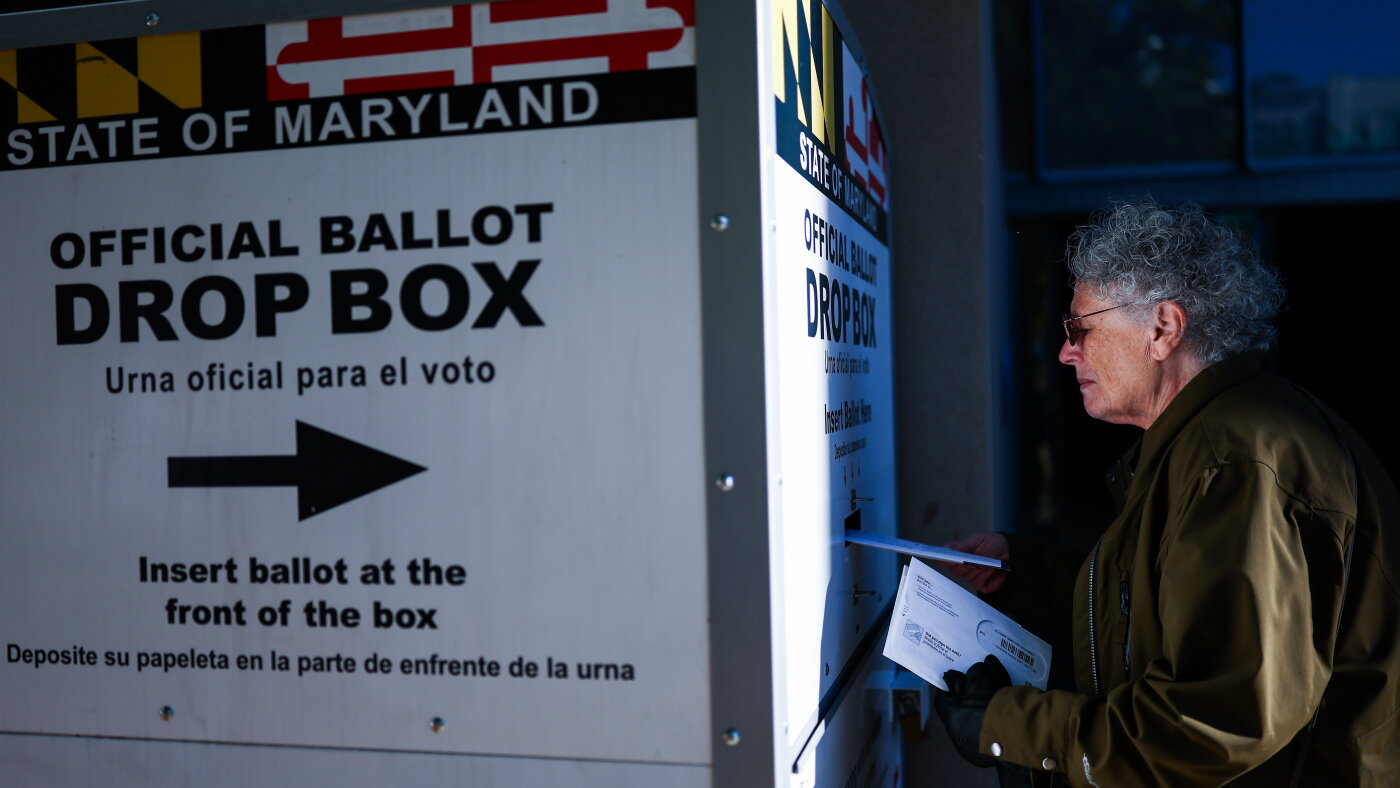
Early Voting Hits 21 Million as Most Trust Midterm Accuracy
Millions have already voted early as parties make final appeals amid $1.4 billion in ad spending; polls show confidence in election accuracy.
The Compass
You just read five takes on one story.
What's your take? Find your political shape in a few minutes.
Take the test