
Senate Parliamentarian Blocks $1B Ballroom Security Funds from Reconciliation Bill
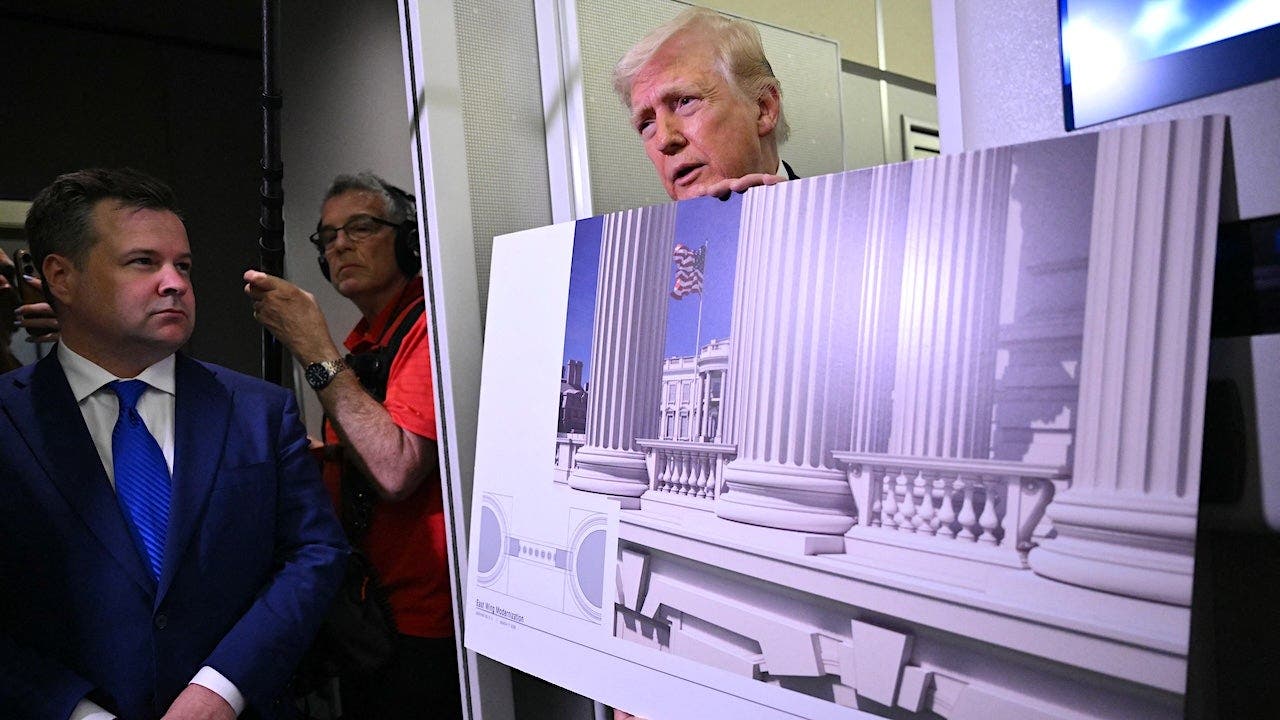
Cover image from foxnews.com, which was analyzed for this article
A Republican proposal for $1 billion in reconciliation funding was ruled out of order, forcing adjustments or a higher vote threshold. The procedural setback drew commentary from across the political spectrum.
PoliticalOS
Sunday, May 17, 2026 — Politics
The parliamentarian’s ruling is a procedural setback that can still be addressed through bill revisions or a vote override. The $1 billion request covers Secret Service security measures separate from the privately funded ballroom, yet political disagreement over the project’s optics remains the central unresolved tension.
What outlets missed
The specific breakdown of the $1 billion into line items such as $220 million for hardening and $180 million for screening was detailed in internal memos but received uneven attention. The non-binding nature of the parliamentarian’s ruling and the option for a simple-majority override were mentioned only sporadically. Construction on the East Wing demolition and related underground facilities has already proceeded under a prior appeals court order, a timeline fact that clarifies the project’s current status beyond funding debates.
Senate Parliamentarian Blocks Funding for Trump Ballroom Security Upgrades
Senate Parliamentarian Elizabeth MacDonough ruled Saturday that Republicans cannot include $1 billion for Secret Service security improvements tied to President Donald Trump's planned White House ballroom in their current budget reconciliation package. The decision forces the provision out of a fast-track process that allows passage with a simple majority in the Republican-controlled chamber.
MacDonough determined the funding request reaches beyond the jurisdiction of the Senate Judiciary Committee and involves too many agencies for inclusion under reconciliation rules. Her ruling means any revised version would likely face a 60-vote threshold that Republicans currently lack. The money was meant to cover security upgrades for the ballroom and related underground facilities at the White House complex. Trump has repeatedly stated that private donations would cover the estimated $400 million construction cost of the ballroom itself.
Republicans have already begun rewriting the language in hopes of satisfying the parliamentarian's concerns. Aides described ongoing conversations with Senate officials aimed at narrowing the provision to stay within committee bounds. Senate Majority Leader John Thune's office signaled they will continue refining the text and resubmitting it. The overall package totals roughly $72 billion and focuses primarily on immigration enforcement, including funds for ICE and Border Patrol operations.
Democrats have attacked the ballroom project as an extravagant use of resources while many Americans deal with higher living costs. They argue the security funding represents an unnecessary taxpayer expense. Republicans counter that enhanced protection for the executive mansion is a legitimate government responsibility regardless of how the ballroom is financed. The parliamentarian's role is to interpret Senate rules on what qualifies for reconciliation, a tool designed to bypass the filibuster on budget matters.
This marks another instance where an official serving since the Obama administration has shaped outcomes on major legislation. Republicans hold a 53-47 majority yet remain short of the votes needed to overcome procedural blocks on most bills. The ballroom funding was the final item still under review in the reconciliation process. If revisions fail, the $1 billion would be stripped from the package heading to a floor vote.
Trump has promoted the ballroom as a world-class addition to the White House grounds. Construction plans include private financing for the main structure while relying on public resources for associated security needs. Lawmakers on both sides acknowledge that White House security upgrades often require coordination across multiple agencies, which complicates efforts to keep the provision narrowly tailored.
The ruling comes amid broader Republican efforts to advance border security priorities through reconciliation. Democrats have signaled they will challenge any reworked language that attempts to restore the funding. Observers note the process could stretch into additional rounds of drafting before a final Senate vote.
You just read America First's take. Want to read what actually happened?
More in Politics
Trump at 32% Approval as Gas Prices Test GOP Midterm Hopes
NYT/Siena polling showed Trump's approval at historic lows around 32 percent with Democrats leading by double digits in key districts. Early voting has surged in battleground states.

Record Early Voting Hits Battlegrounds, Shifting Partisan Shares
AP analysis found hundreds of thousands more early ballots than in 2022 in states including Texas, Ohio, Kansas, Maine, and North Carolina, shifting partisan dynamics.
Trump Backs Marshall in Kansas Senate Race Tightened by Farm Costs
President Trump rallied in deep-red Kansas for GOP Sen. Roger Marshall in a competitive race, announcing an $8 billion farm fuel relief program amid high diesel prices. Democrats see an opening to end 94 years of GOP dominance in the state.

Trump Pauses Russia Sanctions Amid Ukraine Tensions and Missile Strikes
Trump waived sanctions on Russia and floated trilateral talks with Putin and Xi as part of ending the Ukraine war, while tensions rose with Zelenskyy over Starlink and arms. Bipartisan senators engaged Zelenskyy amid the shifts.
The Compass
You just read five takes on one story.
What's your take? Find your political shape in a few minutes.
Take the test