
Senate Parliamentarian Blocks $1B Ballroom Security Funds from Reconciliation Bill
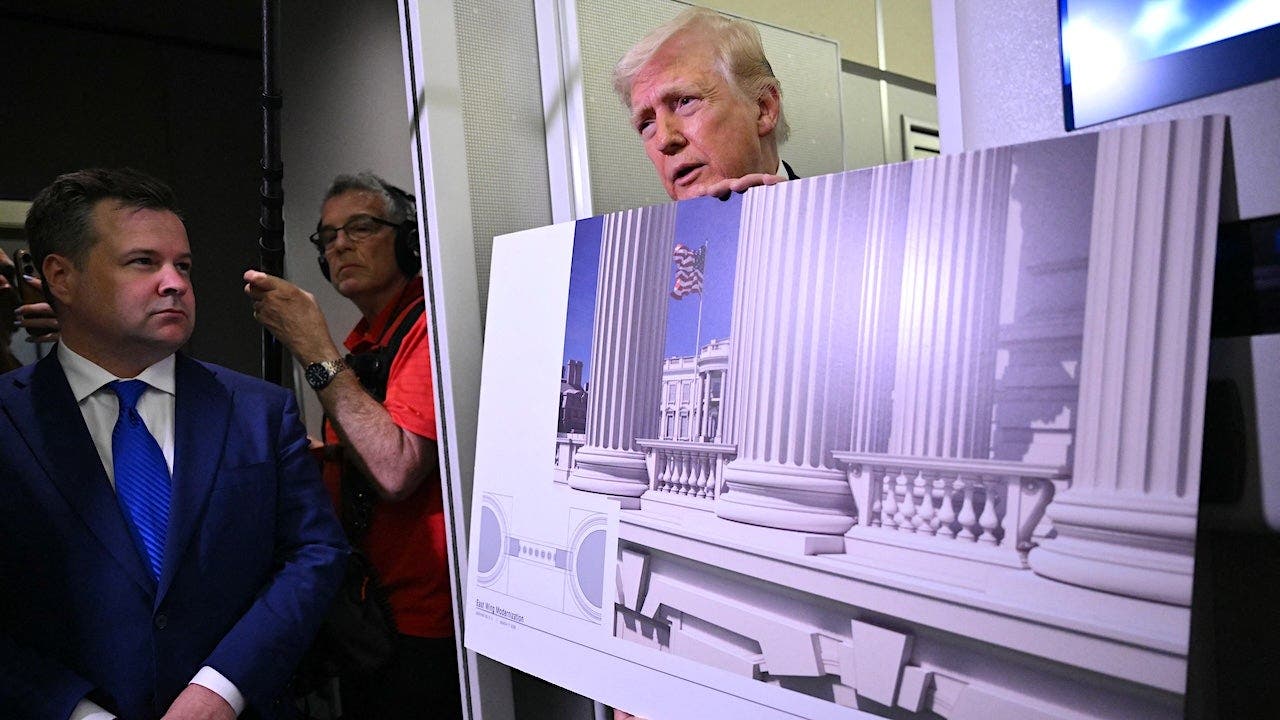
Cover image from foxnews.com, which was analyzed for this article
A Republican proposal for $1 billion in reconciliation funding was ruled out of order, forcing adjustments or a higher vote threshold. The procedural setback drew commentary from across the political spectrum.
PoliticalOS
Sunday, May 17, 2026 — Politics
The parliamentarian’s ruling is a procedural setback that can still be addressed through bill revisions or a vote override. The $1 billion request covers Secret Service security measures separate from the privately funded ballroom, yet political disagreement over the project’s optics remains the central unresolved tension.
What outlets missed
The specific breakdown of the $1 billion into line items such as $220 million for hardening and $180 million for screening was detailed in internal memos but received uneven attention. The non-binding nature of the parliamentarian’s ruling and the option for a simple-majority override were mentioned only sporadically. Construction on the East Wing demolition and related underground facilities has already proceeded under a prior appeals court order, a timeline fact that clarifies the project’s current status beyond funding debates.
Senate Parliamentarian Rejects Inclusion of Trump Ballroom Security Funds in Reconciliation Package
The Senate parliamentarian ruled Saturday that a provision allocating $1 billion for Secret Service security upgrades tied to President Donald Trump’s planned White House ballroom cannot be included in a Republican budget reconciliation bill. Elizabeth MacDonough determined that the funding, as drafted, falls outside the jurisdiction of the Senate Judiciary Committee and would require 60 votes to pass rather than a simple majority.
The decision affects a roughly $72 billion spending package that Republicans have sought to advance through reconciliation, a process that allows legislation to bypass the filibuster but imposes strict limits on what provisions qualify. Most of the bill focuses on immigration enforcement measures, including funding for ICE and Border Patrol. The ballroom-related security money was added as a separate item, with Republicans arguing it supports necessary upgrades for new underground facilities and event spaces at the White House.
Trump has described the ballroom project itself as privately funded, citing $400 million in donations. The public funds under dispute would cover security enhancements rather than construction costs. MacDonough noted that a project of this scale involves multiple agencies and committees, making the current drafting incompatible with reconciliation rules. Senate Republicans had already begun revising the language before the ruling, according to GOP aides, and indicated they would continue those efforts.
Democrats have opposed the funding, arguing that taxpayer resources should not support what they view as an extravagant addition during a period of elevated living costs. The parliamentarian’s role, held by MacDonough since 2012, is to interpret Senate budget rules in a nonpartisan capacity. Her rulings have constrained both parties in past reconciliation debates, though they are not binding and can be overridden with sufficient votes.
Republicans retain a 53-47 majority and could attempt further revisions to address the jurisdictional concerns. If those changes fail to satisfy the parliamentarian, the security provision would likely be stripped from the package, forcing supporters to pursue it through regular order or separate legislation. The episode illustrates the procedural constraints that reconciliation imposes even when one party controls the Senate and White House. Similar hurdles have delayed or altered portions of prior administrations’ domestic agendas when pursued under the same fast-track process.
You just read Liberal's take. Want to read what actually happened?
More in Politics

Trump at 32% Approval as Gas Prices Test GOP Midterm Hopes
NYT/Siena polling showed Trump's approval at historic lows around 32 percent with Democrats leading by double digits in key districts. Early voting has surged in battleground states.

Record Early Voting Hits Battlegrounds, Shifting Partisan Shares
AP analysis found hundreds of thousands more early ballots than in 2022 in states including Texas, Ohio, Kansas, Maine, and North Carolina, shifting partisan dynamics.

Trump Backs Marshall in Kansas Senate Race Tightened by Farm Costs
President Trump rallied in deep-red Kansas for GOP Sen. Roger Marshall in a competitive race, announcing an $8 billion farm fuel relief program amid high diesel prices. Democrats see an opening to end 94 years of GOP dominance in the state.

Trump Pauses Russia Sanctions Amid Ukraine Tensions and Missile Strikes
Trump waived sanctions on Russia and floated trilateral talks with Putin and Xi as part of ending the Ukraine war, while tensions rose with Zelenskyy over Starlink and arms. Bipartisan senators engaged Zelenskyy amid the shifts.
The Compass
You just read five takes on one story.
What's your take? Find your political shape in a few minutes.
Take the test