
Rhetoric Blame Game Ignites After Armed Breach at Correspondents' Dinner
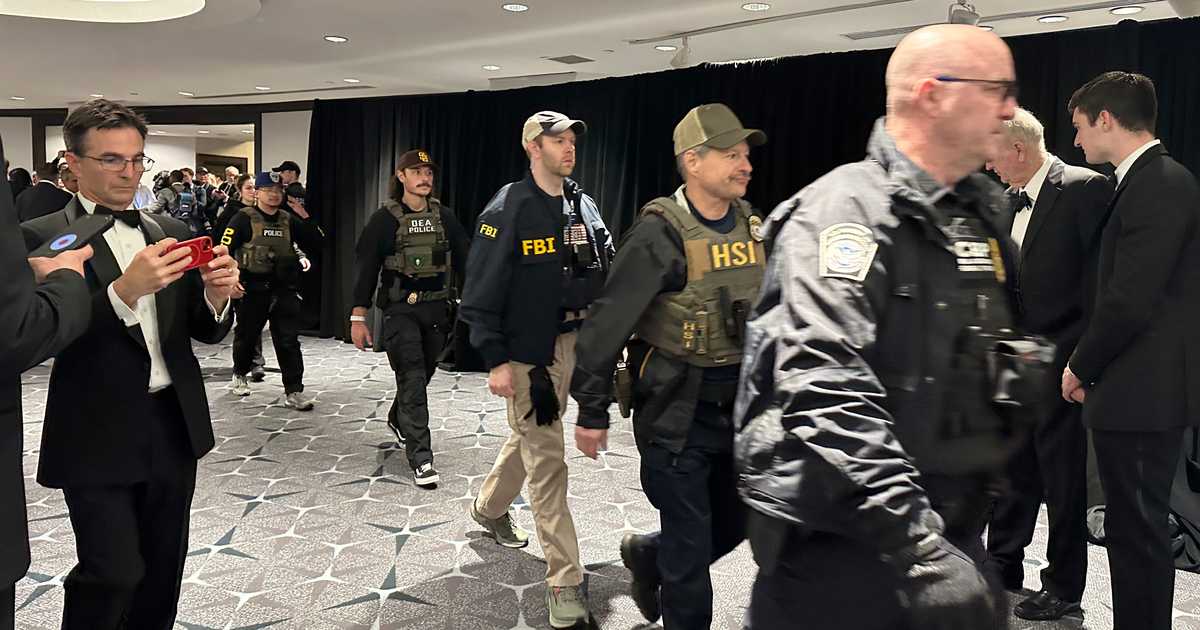
Cover image from townhall.com, which was analyzed for this article
Left-leaning sources slam Fox for blaming media in WHCD shooting coverage; Republicans counter by accusing Democrats of dangerous hate speech. Trump highlights risks amid calls for unity. Rhetoric wars escalate post-incident.
PoliticalOS
Monday, April 27, 2026 — Politics
The armed breach at the Correspondents' Dinner was a real security failure targeting Trump administration figures, yet it immediately became fuel for mutual accusations of dangerous speech rather than a shared examination of security and rhetoric. No outlet established that any single statement caused the attack, but both sides have archives of inflammatory language that each ignores in its own case. Readers should treat partisan claims about motive and blame as starting points for scrutiny, not settled conclusions, especially when key details like the suspect's writings appear in some reporting but not all.
What outlets missed
Multiple outlets underplayed the suspect's cross-aisle background, including his registration as a Republican paired with a donation to Kamala Harris's campaign, details reported by Fox and the LA Times but absent from partisan summaries on both sides. Coverage also gave short shrift to immediate "false flag" and "staged" conspiracy claims that flooded left-leaning platforms like Bluesky right after the breach, which Fox rebutted but others like Politico and Crooks and Liars largely ignored. The precise carve-out in the disputed DHS funding bill, exempting immigration enforcement while funding other operations, received minimal explanation despite Republicans tying it directly to Secret Service strain. Eyewitness context from Fox hosts actually inside the packed ballroom, describing the physical chaos and near-bloodbath risk, was minimized outside conservative coverage.
Media Rhetoric Fuels Another Assassination Attempt at Correspondents Dinner
A gunman opened fire at the White House Correspondents Dinner this weekend in what authorities describe as a targeted attempt on President Donald Trump, forcing the evacuation of hundreds of journalists, politicians, and Hollywood celebrities who had gathered to celebrate the press. Trump, who reportedly urged organizers to continue the event despite the chaos, displayed the kind of calm under pressure that has defined his return to politics. Yet the incident, which security teams neutralized before it could claim lives, has laid bare a troubling truth: the same media figures who spent years painting Trump as an existential danger to the republic now find themselves sharing a room with the consequences of that rhetoric.
Fox News analysts were quick to call out the pattern on Sunday morning. Lawrence Jones noted that Trump himself described the moment as one of unity, with the entire room witnessing the daily threats his family faces. The president was the clear target. The press was not. Jones questioned what would happen the next day, asking whether networks would return to platforming voices that inflame radical elements against conservatives or if they would finally reflect on their role. The answer, based on years of precedent, appears obvious.
This was no random act of violence. It fits a grim sequence that includes two assassination attempts against Trump in 2024, the murder of Charlie Kirk last year, and a steady drumbeat of threats against Republican officials. Republicans have begun connecting the dots directly to Democratic rhetoric. The National Republican Senatorial Committee highlighted several battleground Democrats, including Michigan Senate candidate Abdul El Sayed, Maine's Graham Platner, and North Carolina's Roy Cooper. Platner's old Reddit posts from 2018, now deleted, reportedly suggested violence with guns as a means to social change, comments he has since disavowed. Cooper drew criticism for previously labeling Trump a significant threat to democracy while remaining silent in the immediate hours after Saturday's shooting.
These are not abstract debates. When public figures repeatedly describe a political opponent as a threat to the nation's survival, they shrink the distance between angry words and violent deeds. The townhall.com contributor Shaun McCutcheon captured this reality in the aftermath, writing that free speech has never been without risk but that today's climate has replaced debate with intimidation, cancellation, and sometimes bullets. The Correspondents Dinner itself is meant to honor the First Amendment, yet it has long functioned as an annual pageant of elite contempt for half the country. Comedians and journalists take turns mocking conservatives, often in vicious personal terms, while patting themselves on the back for their bravery. That the event nearly ended in bloodshed directed at the man they despise most reveals the hollowness of their principles.
Democrats offered the expected condemnations of political violence. House Minority Leader Hakeem Jeffries and others issued statements Saturday night. But as Fox's guests observed, these messages often feel rote and incomplete. One Democratic congresswoman, Marie Gluesenkamp Perez, stood out by tweeting simply, "Please stop trying to murder the president." The plea stood in contrast to the broader pattern of suggesting that Trump himself bears responsibility for the hostility directed his way. Even after the Butler, Pennsylvania shooting and the Florida golf course attempt, many in the press resisted any suggestion that their own language contributed to a toxic atmosphere. The motive of the 2024 gunman Thomas Crooks remains unclear, but the pattern of targeting Trump has become impossible to ignore.
Politico reported that Republicans are returning to a familiar playbook from those earlier attempts, moving quickly from calls for unity to accusations that years of framing Trump as dangerous created the conditions for violence. This critique resonates beyond partisan lines. When major media outlets and Democratic leaders spent the better part of a decade warning that Trump represented a unique menace, an entire ecosystem of activists, online influencers, and unstable individuals absorbed the message. Hasan Piker, a leftist commentator given space on New York Times platforms, has openly discussed the acceptability of "social murder" against certain figures. Such talk does not exist in isolation.
The irony of the Correspondents Dinner turning into a security nightmare should not be lost. This is the same crowd that lectures the public about democracy, norms, and the dangers of incitement. Yet when an actual gunman appears in their midst aiming at the politician they have spent years demonizing, the instinct is often to treat it as an isolated tragedy rather than the predictable result of sustained hysteria. Trump, ever the showman, wanted the evening to proceed. His graciousness in the face of danger stands in sharp contrast to the media's reflexive instinct to downplay any connection between their coverage and the rising body count of political violence.
Americans watching this unfold have every right to demand better. The First Amendment protects speech, including harsh criticism. It does not protect the pretense that words carry no consequences. When major institutions spend years telling millions of citizens that their elected leader is a fascist, a threat to the republic, or worse, they should not act surprised when some disturbed individual decides to act on that framing. The gunman at the Correspondents Dinner was stopped before he could complete his mission. The rhetoric that likely inspired him remains fully operational on cable news, in newsrooms, and across social media.
This latest episode should force a reckoning, though experience suggests it will not. The press corps will likely return to their default posture of portraying Trump as the root of all division while ignoring their own contribution to the poisonous atmosphere. Meanwhile, the president continues to draw fire, both rhetorical and literal, for the simple act of refusing to bend to their consensus. The American people, who have watched this cycle repeat for years, deserve a media class honest enough to admit its role rather than merely reporting on the bloodshed it helps inspire.
You just read America First's take. Want to read what actually happened?
More in Politics

Trump Defends Ramaswamy Ad Using Estranged Mother in Ohio Race
President Trump defended a GOP nominee's ad featuring a Democratic opponent's estranged mother, calling it powerful, while drawing criticism from some Republicans including Ohio Gov. Mike DeWine. The ad has sparked internal GOP tensions ahead of midterms.
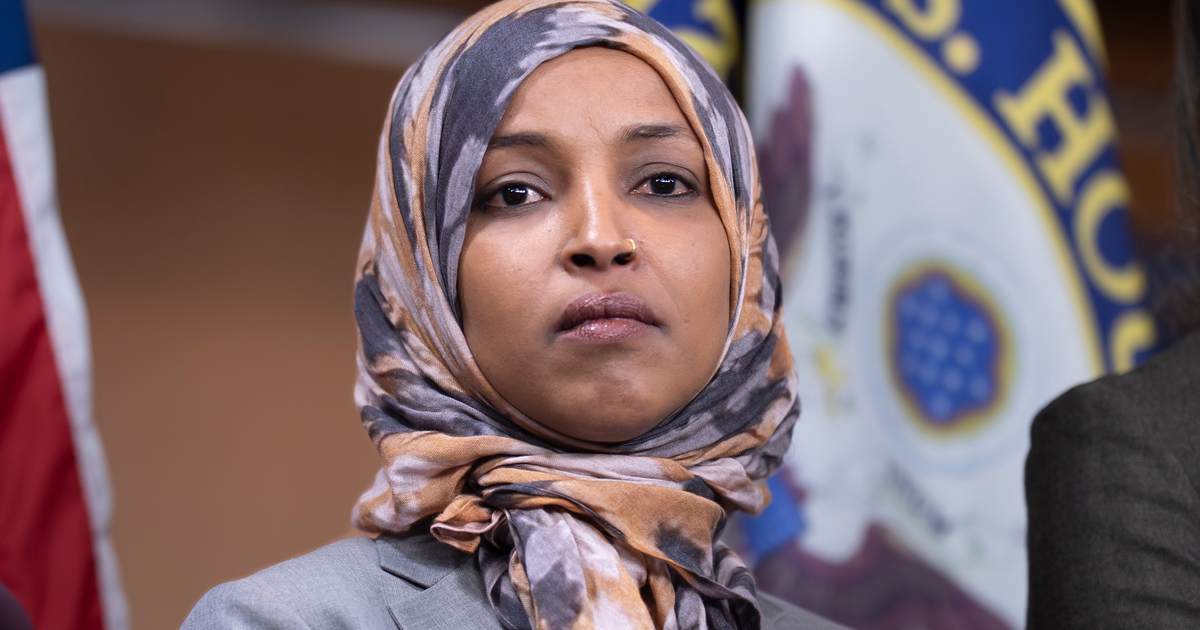
Federal Raid Targets Omar Amid Unresolved Name and Marriage Allegations
Agents searched Rep. Ilhan Omar's DC residence over immigration fraud allegations; she called it bizarre. Reports and commentary questioned her birth name and past marriage details.

Supreme Court Upholds New Hampshire Student ID Voting Ban
The Supreme Court upheld New Hampshire's ban on student IDs as valid voter identification just before midterms, affecting a tight Senate race.
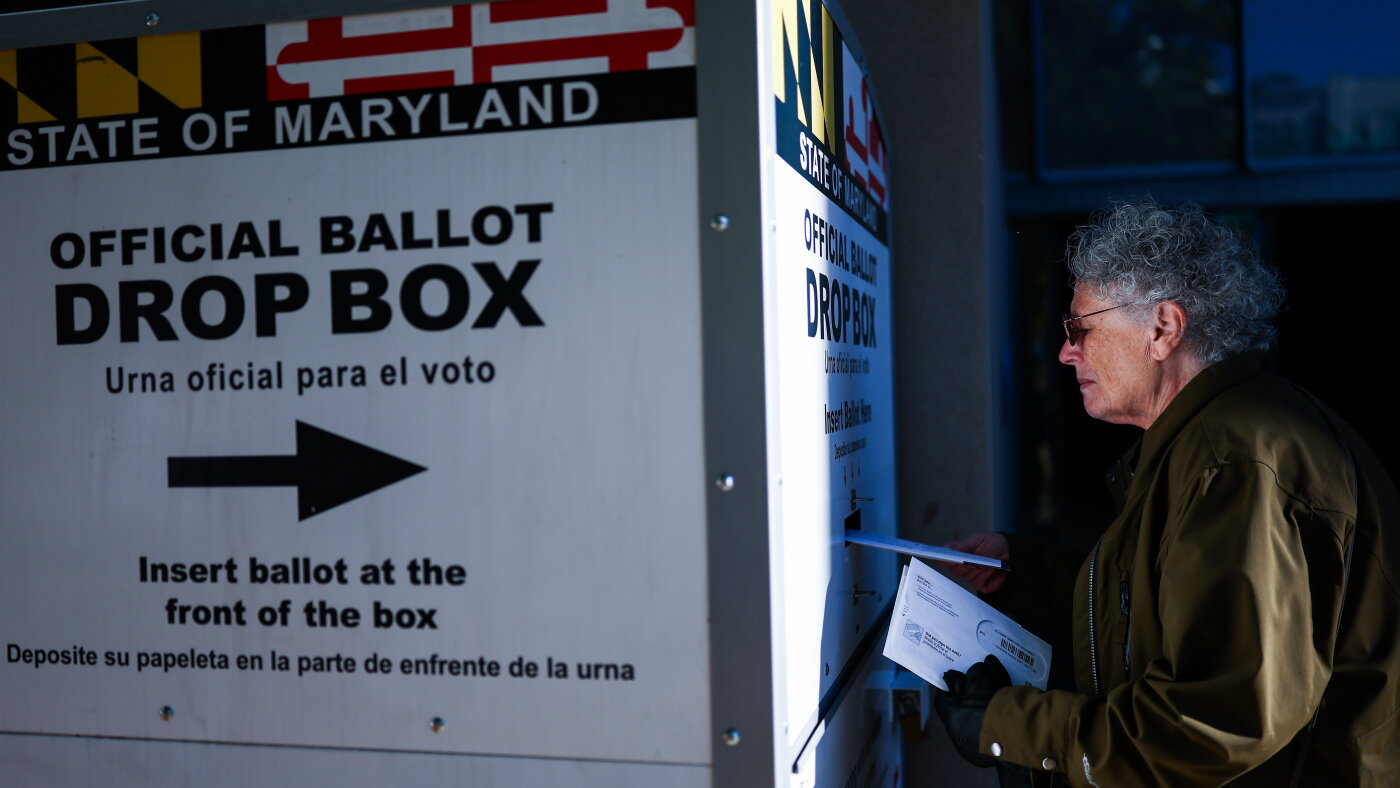
Early Voting Hits 21 Million as Most Trust Midterm Accuracy
Millions have already voted early as parties make final appeals amid $1.4 billion in ad spending; polls show confidence in election accuracy.
The Compass
You just read five takes on one story.
What's your take? Find your political shape in a few minutes.
Take the test