
Rhetoric Blame Game Ignites After Armed Breach at Correspondents' Dinner
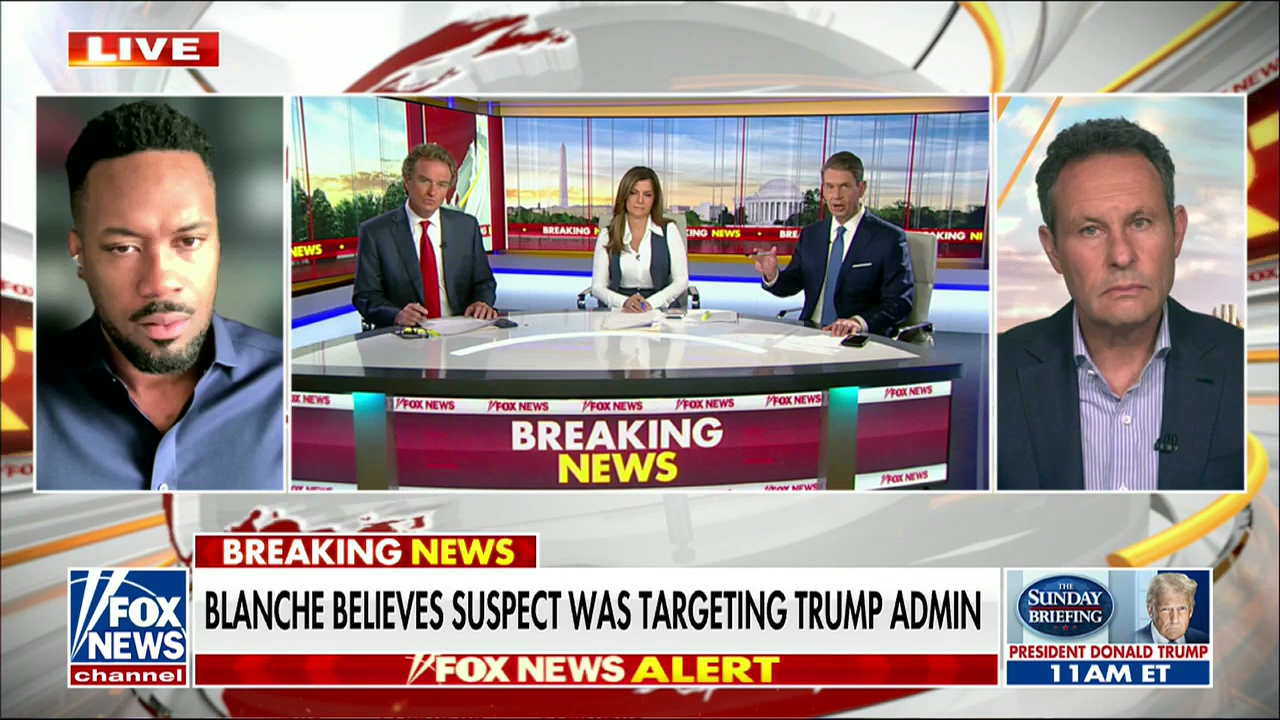
Cover image from crooksandliars.com, which was analyzed for this article
Left-leaning sources slam Fox for blaming media in WHCD shooting coverage; Republicans counter by accusing Democrats of dangerous hate speech. Trump highlights risks amid calls for unity. Rhetoric wars escalate post-incident.
PoliticalOS
Monday, April 27, 2026 — Politics
The armed breach at the Correspondents' Dinner was a real security failure targeting Trump administration figures, yet it immediately became fuel for mutual accusations of dangerous speech rather than a shared examination of security and rhetoric. No outlet established that any single statement caused the attack, but both sides have archives of inflammatory language that each ignores in its own case. Readers should treat partisan claims about motive and blame as starting points for scrutiny, not settled conclusions, especially when key details like the suspect's writings appear in some reporting but not all.
What outlets missed
Multiple outlets underplayed the suspect's cross-aisle background, including his registration as a Republican paired with a donation to Kamala Harris's campaign, details reported by Fox and the LA Times but absent from partisan summaries on both sides. Coverage also gave short shrift to immediate "false flag" and "staged" conspiracy claims that flooded left-leaning platforms like Bluesky right after the breach, which Fox rebutted but others like Politico and Crooks and Liars largely ignored. The precise carve-out in the disputed DHS funding bill, exempting immigration enforcement while funding other operations, received minimal explanation despite Republicans tying it directly to Secret Service strain. Eyewitness context from Fox hosts actually inside the packed ballroom, describing the physical chaos and near-bloodbath risk, was minimized outside conservative coverage.
Republicans Blame Democrats and Media for WHCD Shooting
Washington awoke Monday to the familiar sound of Republicans transforming a weekend of political violence into a partisan cudgel. An armed intruder disrupted the White House Correspondents' Dinner Saturday night in what authorities describe as an apparent assassination attempt on President Donald Trump, forcing the evacuation of hundreds of journalists, officials and guests gathered to celebrate the First Amendment. Trump, according to multiple accounts, urged organizers to continue the program even as security concerns prevailed. The incident, though foiled, has reignited debates over the toxic climate of American politics, with conservative voices quickly assigning blame not to the gunman but to Democrats and the news media.
Fox News wasted little time in shaping the narrative. On Sunday's "Fox & Friends Weekend," co-host Lawrence Jones told viewers the president had been "extremely gracious" in the aftermath and suggested the evening offered a rare moment of unity. "They were not the target," Jones said of the press. "This was not an attack on the press. They were gunning for one person." He then pivoted sharply, questioning whether news outlets would return to "the same radicals" on airwaves Monday morning who he claimed have inflamed rhetoric against conservatives. His colleagues referenced commentator Hasan Piker, accusing him of normalizing extreme language, including comments about "socially murdering" corporate executives. The segment ended with praise for the one Democratic lawmaker, Rep. Marie Gluesenkamp Perez of Washington, who posted a blunt message: "Please stop trying to murder the president." Fox contrasted her statement with what they portrayed as mealy-mouthed condemnations from party leaders like Hakeem Jeffries.
The Republican National Committee and its affiliated campaign arms moved in lockstep. Official GOP social media accounts targeted Democratic Senate candidates in key battlegrounds, accusing them of fueling the very atmosphere that produces such violence. In Michigan, the NRSC singled out Abdul El-Sayed, claiming he "fuels this hate." In Maine, they resurfaced since-deleted 2018 Reddit posts by Graham Platner, the Democratic primary frontrunner, in which he once described violence as a potential means of social change. Platner has since disavowed those statements. North Carolina Democrats faced criticism for former Gov. Roy Cooper's past description of Trump as "a significant threat to our democracy" and his initial silence on the Correspondents' Dinner incident. The posts reflect a deliberate strategy Republicans have honed since the two assassination attempts against Trump during the 2024 campaign.
That playbook is now well-established. After the Butler, Pennsylvania shooting in July 2024 and the Florida golf course attempt two months later, initial calls for unity from Republican leaders gave way to sustained accusations that Democrats' characterization of Trump as an existential danger to democracy had inspired would-be assassins. The same rhetorical move followed last year's assassination of conservative activist Charlie Kirk. In each case, top Republicans from Trump downward have pointed to "radical left" rhetoric without producing evidence of direct causation. The gunman in Butler remains something of a mystery; the Florida suspect, Ryan Routh, was reportedly motivated by opposition to Trump's policies on Ukraine. Investigators have not publicly linked either man to mainstream Democratic messaging.
Conservative commentators have attempted to broaden the conversation. In a column for Townhall, Shaun McCutcheon argued that the Correspondents' Dinner attack illustrates how "free speech isn't always safe." He described the evening as a near-tragedy that exposed the gap between constitutional protections and the courage required to exercise them in an era of dehumanizing rhetoric. McCutcheon pointed to cancel culture, intimidation and outright violence as symptoms of a political culture that treats opponents as enemies rather than fellow citizens. Yet his piece, like much conservative commentary, largely sidestepped the role that Trump's own norm-shattering language and the January 6 Capitol attack have played in coarsening public life.
The irony is difficult to ignore. The White House Correspondents' Dinner exists to honor the press's role in holding power accountable, a function many Republicans have spent years demonizing as "fake news" and "enemy of the people." Saturday's violence occurred in a room full of journalists precisely because the president was present, yet conservative media's first instinct was to lecture those journalists about their responsibility for the attack. This reflexive deflection avoids harder questions about the ready availability of firearms, the proliferation of conspiracy theories on right-wing platforms, and the way both parties have contributed to an atmosphere in which political opponents are cast as irredeemable threats.
Democrats, for their part, have condemned the violence. Yet their statements have done little to slow the Republican offensive. The pattern is now predictable: an act of political violence occurs, brief calls for unity are issued, then the right weaponizes the tragedy to paint its critics as accessories to attempted murder. Whether this latest episode produces any meaningful reflection on the state of American discourse seems unlikely. The guns remain easy to obtain, the rhetoric remains heated, and the political incentives to exploit tragedy for advantage have only grown stronger. The Correspondents' Dinner, once a lighthearted ritual, now stands as another data point in a country where disagreement increasingly carries the risk of bloodshed.
You just read Progressive's take. Want to read what actually happened?
More in Politics

Trump Defends Ramaswamy Ad Using Estranged Mother in Ohio Race
President Trump defended a GOP nominee's ad featuring a Democratic opponent's estranged mother, calling it powerful, while drawing criticism from some Republicans including Ohio Gov. Mike DeWine. The ad has sparked internal GOP tensions ahead of midterms.
Federal Raid Targets Omar Amid Unresolved Name and Marriage Allegations
Agents searched Rep. Ilhan Omar's DC residence over immigration fraud allegations; she called it bizarre. Reports and commentary questioned her birth name and past marriage details.

Supreme Court Upholds New Hampshire Student ID Voting Ban
The Supreme Court upheld New Hampshire's ban on student IDs as valid voter identification just before midterms, affecting a tight Senate race.
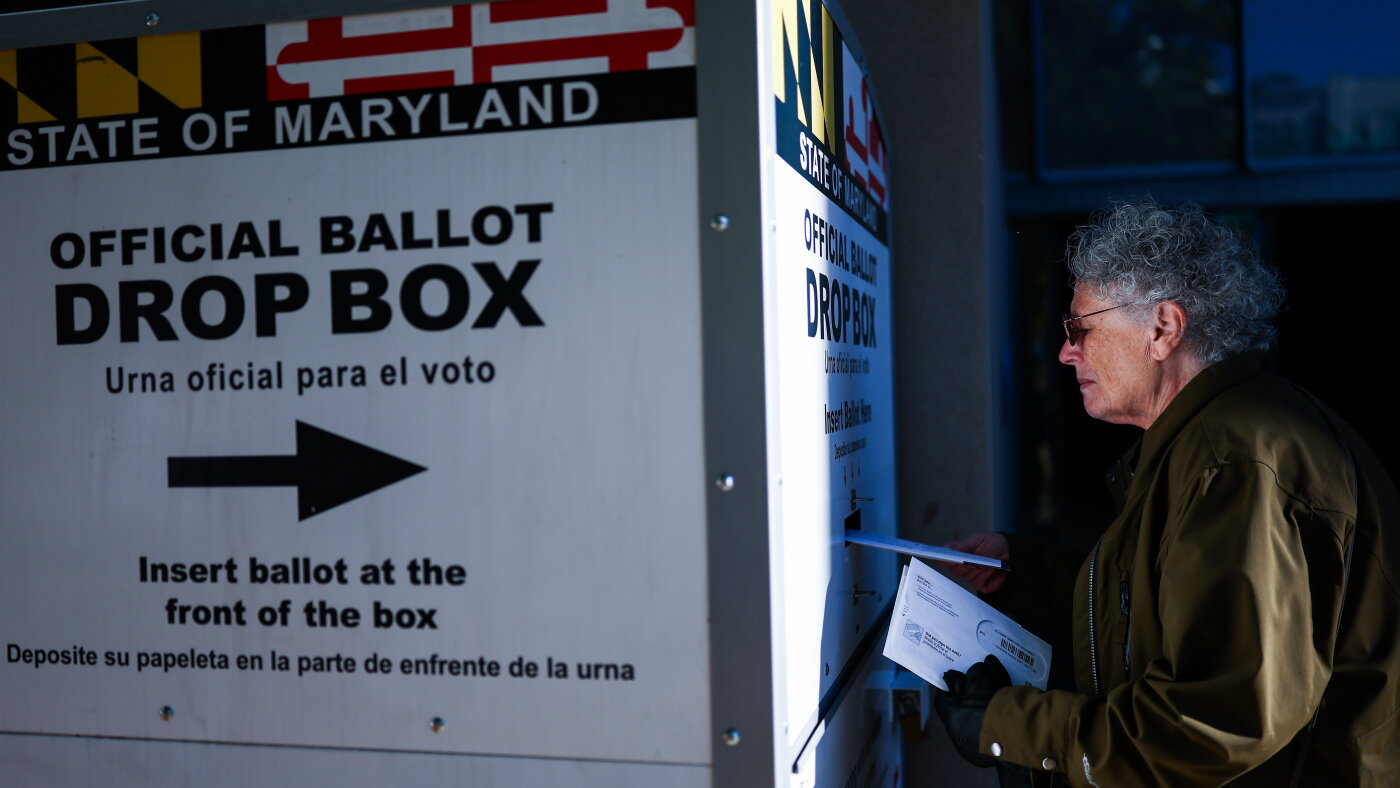
Early Voting Hits 21 Million as Most Trust Midterm Accuracy
Millions have already voted early as parties make final appeals amid $1.4 billion in ad spending; polls show confidence in election accuracy.
The Compass
You just read five takes on one story.
What's your take? Find your political shape in a few minutes.
Take the test