
South Carolina Senate Blocks Redistricting Push Before Primary

Cover image from crooksandliars.com, which was analyzed for this article
South Carolina lawmakers scrapped a Trump-preferred congressional map, preserving Rep. Jim Clyburn's district and drawing criticism from some Republicans.
PoliticalOS
Wednesday, May 27, 2026 — Politics
The Senate's refusal to redraw lines before the June primary leaves Clyburn's district unchanged for now and highlights a rare instance of Republican resistance to post-VRA redistricting pressure. The decisive factor cited by GOP senators was the practical impossibility of discarding ballots already cast in early voting.
What outlets missed
Neither account supplied the Senate vote margin or the sequence of House passage followed by Senate rejection. Both omitted the explicit warning from Republican senators that altering lines after early voting had started would require discarding thousands of ballots already cast. Coverage also gave limited attention to the internal GOP debate over whether the map risked creating competitive districts rather than safe ones, a calculation described by analysts as a practical rather than purely partisan concern.
South Carolina Republicans Abandon Trump Backed Plan to Eliminate Majority Black District
South Carolina state senators declined on Tuesday to advance a congressional redistricting proposal that would have dismantled the majority Black district held for more than three decades by Democratic Representative Jim Clyburn. The move came after early voting had already begun for the June primary, leaving lawmakers with little room to redraw lines without invalidating thousands of ballots already cast.
The rejected map had been promoted by President Trump and aligned with efforts in other Republican controlled Southern states to respond to the Supreme Court decision that weakened protections under the Voting Rights Act for districts where Black voters form the majority. South Carolina currently sends only one Democrat to Congress, and the proposal would have split Clyburn's district in ways that diluted Black voting power across multiple seats. Clyburn, who announced earlier this year that he intends to run for an eighteenth term, praised the senators who refused to move the plan forward, writing that a critical number of Republicans chose constitutional principles over pressure from the White House.
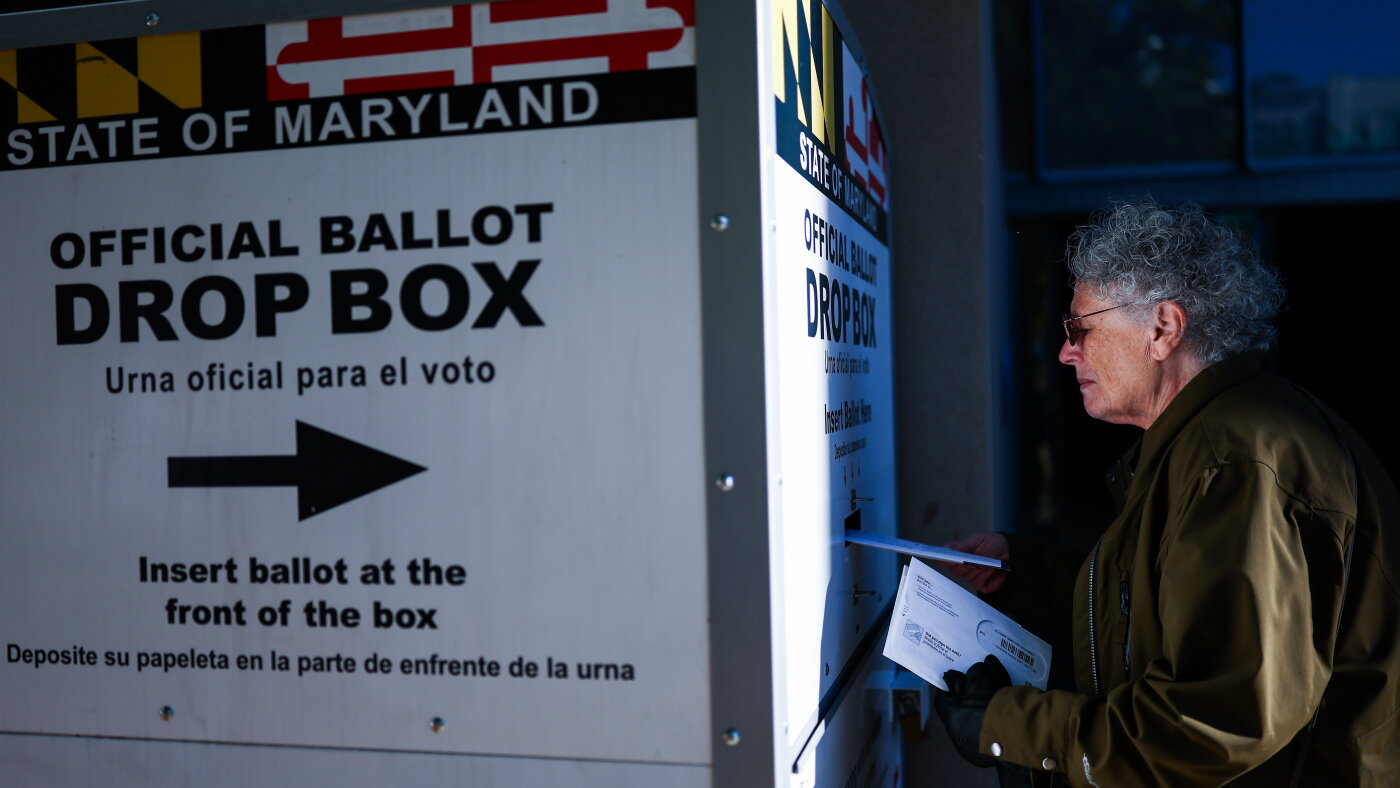
Early voting totals underscored the practical barrier. By midafternoon Tuesday, nearly forty five thousand ballots had already been submitted in the state, a figure large enough to deter even some Republicans from supporting last minute changes that would require new primaries. The Senate ultimately adjourned without a vote on the map, effectively postponing any further redistricting debate until after the June primary.
The outcome leaves South Carolina as something of an outlier in the region. Georgia and Mississippi, where primaries occurred earlier, have signaled interest in similar map revisions ahead of the 2028 cycle. In South Carolina the decision preserves the existing lines at least through the current election, maintaining Clyburn's seat as the sole Democratic holdout in a delegation otherwise controlled by Republicans.
Clyburn cast his own ballot in Orangeburg on Tuesday and has repeatedly stated he would run regardless of any new boundaries. State officials had warned that altering the maps after voting started would create significant administrative chaos and potential legal challenges. For now the existing district boundaries stand, though Republican leaders have indicated the issue is likely to return before the next midterm cycle.
You just read Progressive's take. Want to read what actually happened?
More in Politics

Trump Defends Ramaswamy Ad Using Estranged Mother in Ohio Race
President Trump defended a GOP nominee's ad featuring a Democratic opponent's estranged mother, calling it powerful, while drawing criticism from some Republicans including Ohio Gov. Mike DeWine. The ad has sparked internal GOP tensions ahead of midterms.

Federal Raid Targets Omar Amid Unresolved Name and Marriage Allegations
Agents searched Rep. Ilhan Omar's DC residence over immigration fraud allegations; she called it bizarre. Reports and commentary questioned her birth name and past marriage details.

Supreme Court Upholds New Hampshire Student ID Voting Ban
The Supreme Court upheld New Hampshire's ban on student IDs as valid voter identification just before midterms, affecting a tight Senate race.
Early Voting Hits 21 Million as Most Trust Midterm Accuracy
Millions have already voted early as parties make final appeals amid $1.4 billion in ad spending; polls show confidence in election accuracy.
The Compass
You just read five takes on one story.
What's your take? Find your political shape in a few minutes.
Take the test