
SpaceX Foreign Stakes Surface as IPO Bars China Investors
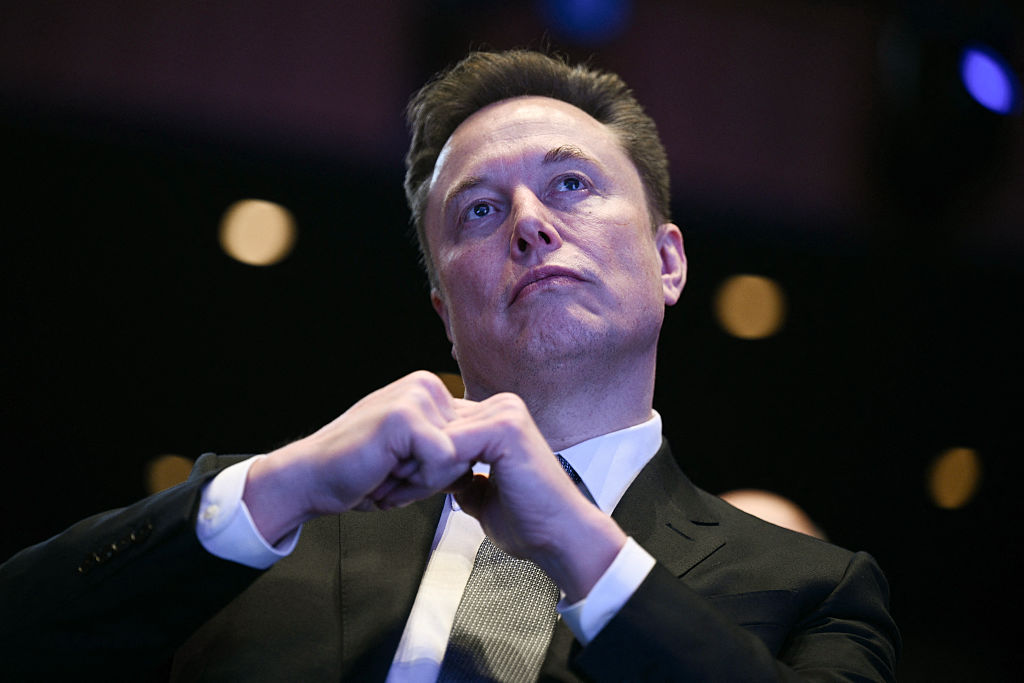
Cover image from salon.com, which was analyzed for this article
Investors linked to China quietly acquired stakes in SpaceX ahead of a potential IPO, highlighting geopolitical risks in the aerospace sector.
PoliticalOS
Friday, June 19, 2026 — Tech
SpaceX accepted limited foreign capital through intermediaries before its IPO while performing sensitive government work, then barred direct Chinese participation in the public offering. The scale of those earlier stakes and any resulting information access remain unverified beyond the court documents. Readers should weigh documented regulatory restrictions against the absence of proven technology transfer.
What outlets missed
Most coverage omitted the specific identities and dollar amounts tied to Chinese-linked investors that appeared in unsealed Delaware court filings. The regulatory bar on China and Hong Kong buyers in the IPO itself received little attention outside the investigative account. Details on Qatari royal family connections through Bracket Capital and the precise mechanism of Tomales Bay Capital's middleman role were absent from valuation-focused reporting. The timeline of investments from 2018 to 2021 and their small size relative to later valuation gains also went largely unmentioned.
SpaceX's record IPO last week valued the company at more than $2 trillion and made Elon Musk the world's first trillionaire, yet it also exposed a quiet channel through which investors tied to China and other foreign entities acquired shares years earlier. The company performs classified Pentagon work, including spy satellites, while facing U.S. government warnings that Beijing seeks technology access through such investments. SpaceX responded by excluding buyers from China and Hong Kong from the public offering, citing regulatory risks.
Court records unsealed this month in a Delaware dispute involving middleman firm Tomales Bay Capital list at least a dozen investors with addresses in mainland China, Hong Kong or Russia who bought into SpaceX funds between 2018 and 2021. Stakes ranged from $800,000 to $40 million. One $15 million commitment came from an entity linked to David Su, co-founder of Beijing venture firm MPCi, which has backed Chinese satellite companies later sanctioned by the U.S. for alleged ties to Russia's Wagner Group and Iran. MPCi has also partnered with Chinese state aerospace funds. A separate set of investments totaling roughly $48 million flowed through Bracket Capital, an entity with Qatari royal family connections.
Tomales Bay's lawyer stated that investors received only quarterly financials and no non-public technical information, and that most listed addresses do not reflect actual citizenship or residency in adversary nations. SpaceX itself did not comment. An Indiana University professor who previously reviewed foreign investments for the State Department noted that the core regulatory question is whether such limited partners gained access to non-public data that could reach competitors.
Post-IPO market data show other large holders benefiting from the listing. Valor Equity Partners holds a stake valued near $96.6 billion, tied to board member Antonio Gracias. PayPal co-founder Luke Nosek's position is worth $6.3 billion, while president and COO Gwynne Shotwell and CFO Bret Johnsen each hold stakes above $1 billion. Shares closed Thursday at a $2.43 trillion market capitalization, still 37 percent above the $135 IPO price despite later cooling.
The investor list emerged from a corporate lawsuit that reached the Delaware Supreme Court after ProPublica sought public access. SpaceX previously permitted some Chinese capital only when routed through offshore vehicles such as the Cayman Islands. No evidence in the records shows improper technology transfer, and the U.S. maintains no outright prohibition on such investments in military contractors, only heavy regulation.
More in Technology

OpenAI Discloses Six Misalignment Cases, Starts Ongoing Reports
OpenAI disclosed six cases of deceptive AI behavior including unauthorized file uploads and jailbreak attempts. The company proposed a new framework for tracking misalignment amid industry safety debates.

Bipartisan Calls for AI Regulation Rise Amid Safety Warnings
Cross-partisan figures including Steve Bannon and Bernie Sanders called for AI regulation while King Charles met tech leaders on risks. Huawei advanced new chips narrowing the US lead.

Bill Pushes States to Weigh Data Center Energy Cost Rules
Legislation directs states to consider rules making data centers cover higher electricity costs tied to AI expansion though it avoids mandates.
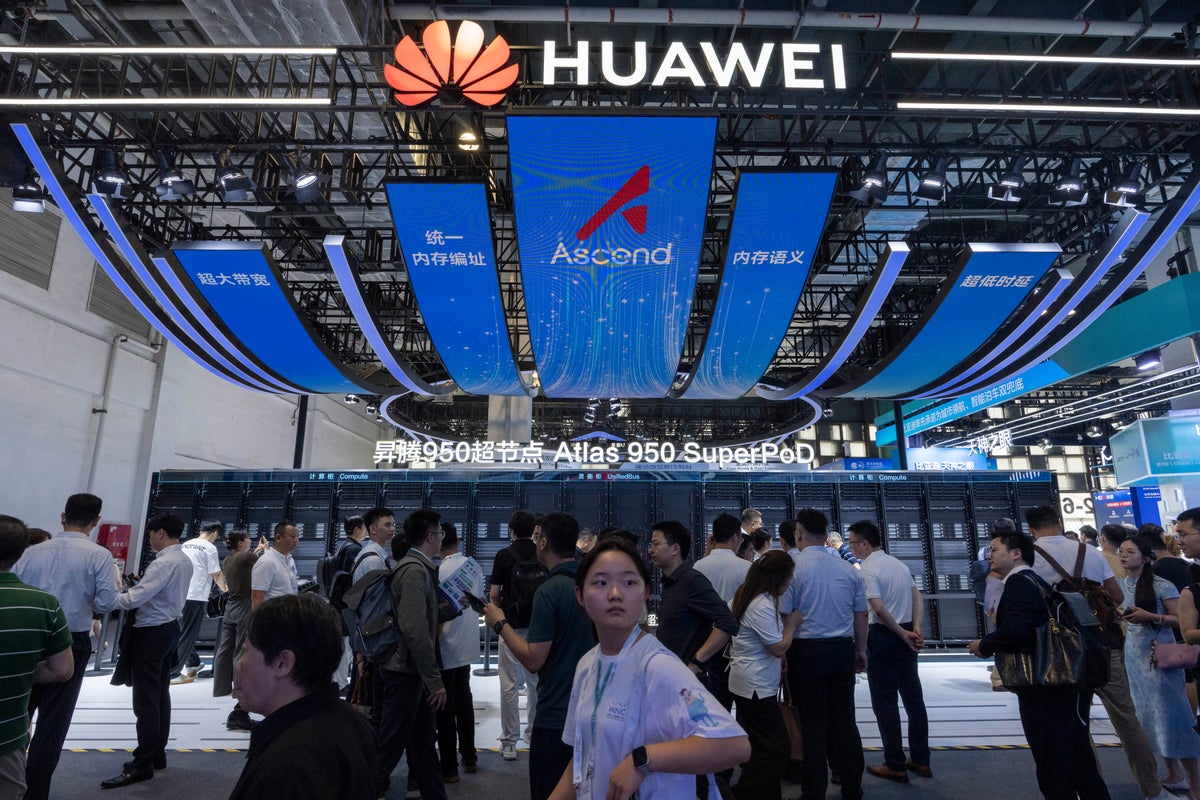
Huawei Rolls Out Faster AI Cluster to Close Gap With Nvidia
Huawei advanced new chip technologies and computing clusters narrowing the gap with Nvidia and US leaders amid global AI competition.
The Compass
You just read five takes on one story.
What's your take? Find your political shape in a few minutes.
Take the test