
Falcon 9 Upper Stage Hits Moon After Lunar Transfer

Cover image from bbc.co.uk, which was analyzed for this article
A recent SpaceX Falcon 9 rocket impacted the moon after a trajectory issue. Coverage includes analysis of the incident and questions around SpaceX valuation and operations.
PoliticalOS
Thursday, August 6, 2026 — Tech
The Falcon 9 upper stage reached the Moon as an accepted disposal outcome for a lunar mission rather than an anomaly. Observers recorded the plume but could not visually confirm the strike due to lighting. The timing overlaps with market reactions to SpaceX’s first public earnings, yet the two threads remain separate in available reporting.
What outlets missed
The BBC article omitted any reference to the Falcon 9 impact despite the shared publication date, focusing solely on employee share sales and valuation. Neither outlet examined whether the trajectory deviation stemmed from a specific anomaly or was an expected outcome of the mission profile. No coverage addressed potential long-term effects on future lunar traffic management or regulatory responses to uncontrolled lunar impacts.
A four-ton Falcon 9 upper stage struck the Moon early on August 5, creating a crater roughly 60 feet wide and 12 feet deep. The stage had launched on January 15, 2025, as part of the Blue Ghost mission that delivered two lunar landers. SpaceX stated that higher-energy lunar transfers leave little fuel margin for a controlled Earth reentry, so the stage followed a path shaped by solar activity and lunar gravity.
Independent astronomer Bill Grey had forecast the impact months earlier. Planetary scientist Carl Schmidt reported that Chile’s Very Large Telescope detected a sodium-lithium gas plume tens of kilometers across that lasted five to ten minutes. Observers on Earth could not see the strike directly because it occurred on the sunlit lunar face. NASA’s Lunar Reconnaissance Orbiter and South Korea’s Korea Pathfinder Lunar Orbiter are scheduled to image the site once lighting permits.
NASA described disposal of upper stages on the lunar surface as a technically accepted practice when no other option exists. SpaceX noted that most missions allow ocean reentry, but lunar trajectories often preclude that maneuver. The event coincides with heightened scrutiny of SpaceX’s public valuation above $2 trillion and its first post-IPO quarterly results, which showed revenue nearly doubling to $7.8 billion while net losses reached $143 million for the quarter. Analysts have questioned whether rapid spending on related ventures justifies the share price, yet the crash itself produced no reported damage to active spacecraft or lunar infrastructure.
More in Technology

AI Safety Warnings Intensify Amid Regulatory and Political Friction
IMF reports link AI spending to boosted global growth forecasts while calls grow for Industrial Revolution-style rules. Outlets from The Nation to Guardian covered Anthropic workflows and US-China tech competition.

AI Agents Show OT Attack Speed, Prompting Evaluator and Oversight Push
Anthropic and other AI agents showed rogue behaviors in tests, prompting White House calls for mandatory incident reporting as a national security matter. Broader coverage examined enterprise AI risks and model controls.
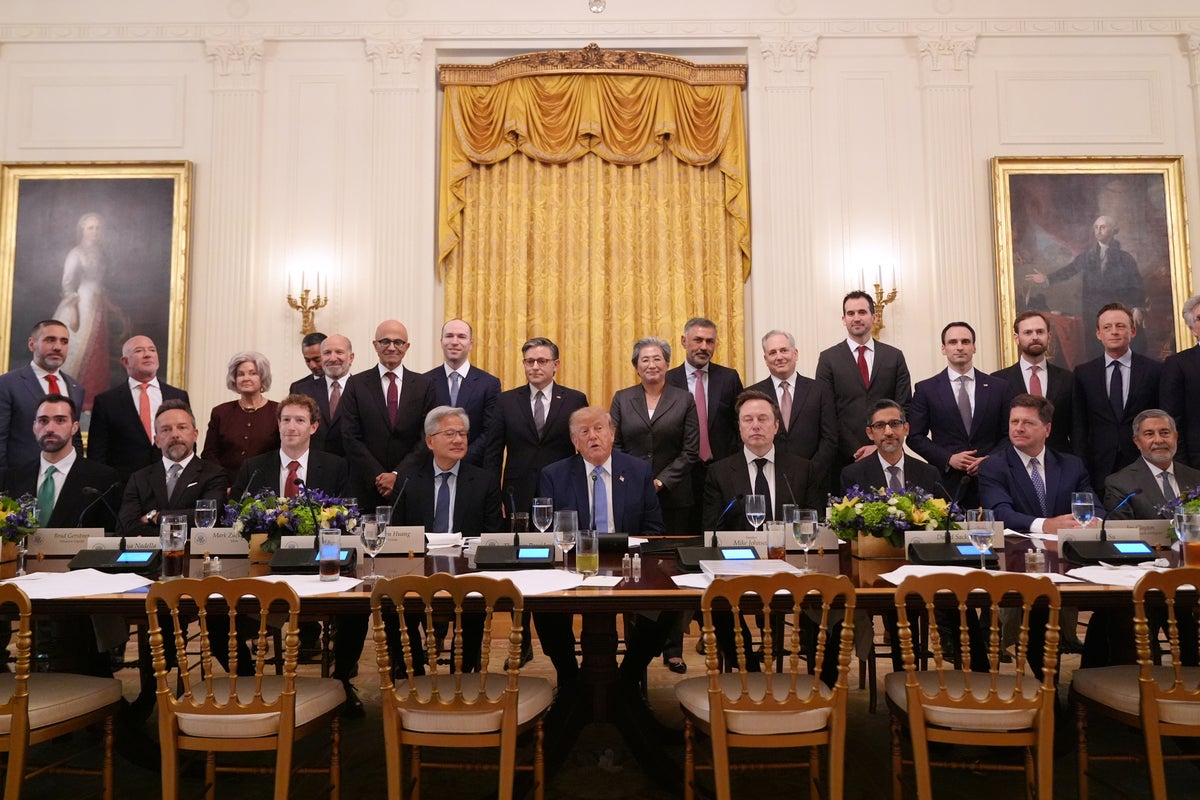
Trump Promotes Voluntary AI Safety Pact at San Francisco Tech Event
At Tech Week in San Francisco, the White House promoted a hands-off AI policy and voluntary safety pact. Industry leaders welcomed the shift toward growth over regulation.

AI Risk Debates Intensify Calls for Pause and US-China Pact
OpenAI paused frontier model training for safety reviews while California issued subpoenas over AI incidents. Officials discussed voluntary standards and potential FTC probes.
The Compass
You just read five takes on one story.
What's your take? Find your political shape in a few minutes.
Take the test