
Spencer Pratt's AI Campaign Tests LA's Political Limits

Cover image from latimes.com, which was analyzed for this article
Former reality star Spencer Pratt is running for LA mayor using AI-generated content and combative online tactics to court voters. Outlets question whether internet buzz can translate into electoral success.
PoliticalOS
Thursday, May 21, 2026 — Politics
Pratt has generated substantial online visibility through AI content and combative messaging, yet structural Democratic registration advantages and limited policy detail leave his path to victory narrow. Voters must weigh whether visible city problems justify supporting an unconventional candidate whose reach has not yet been matched by polling strength.
What outlets missed
No outlet supplied current city or county data on the number of structures destroyed in the Palisades Fire or year-over-year changes in the city's homeless population counts. None examined the specific effects of Proposition 47 on local prosecution thresholds or state housing mandates that constrain city permitting decisions. Coverage also omitted precinct-level 2024 election results showing measurable Latino shifts toward Republican candidates in Southern California on border and inflation issues. Pratt's campaign has not published detailed budget or staffing proposals that would allow voters to assess how he would implement promised encampment clearances.
Spencer Pratt Challenges LA's Failing Progressive Machine
Spencer Pratt is using every tool at his disposal to expose the rot in Los Angeles city government. The former reality television figure from The Hills has turned his mayoral campaign into a direct assault on the policies that have left the city dirty, dangerous, and demoralized. His approach relies heavily on social media clips and artificial intelligence videos that mock current Mayor Karen Bass and dramatize the chaos on the streets, including exaggerated depictions of drug problems and wildfire responses that resonate with residents tired of official excuses.
Pratt's tactics draw from the same playbook that has shifted some Latino voters away from Democrats in recent elections. Areas with large Hispanic populations showed notable movement toward Republican candidates between 2020 and 2024, driven by frustration over crime, housing costs, and lax enforcement. Pratt and fellow conservative Steve Hilton both recognize that winning over these voters is essential in a city and state where Democrats have long held power. President Trump has publicly backed the effort, noting Pratt's alignment with core principles and highlighting how past elections might have gone differently with stronger turnout among working families.
The contrast with the city's past is stark. Longtime observers describe a Los Angeles that once offered opportunity and order, with functional neighborhoods and visible progress. Today the same streets show signs of neglect, from accumulated trash to open drug activity that locals describe as far worse than anything from previous decades. Pratt points to these conditions without apology, arguing that years of one-party rule have produced measurable decline rather than solutions. His online content, including fabricated but attention-grabbing scenes of him confronting problems directly, cuts through the usual media filter that often downplays failures at City Hall.
Critics from left-leaning outlets dismiss the campaign as internet spectacle, yet the underlying grievances remain real. Reports of strained resources during the Palisades Fire and persistent street-level disorder continue to surface from multiple neighborhoods. Pratt's team has assembled a network of editors producing short videos that amplify everyday complaints about governance, a method that bypasses traditional gatekeepers. This mirrors broader patterns where voters in California have grown skeptical of progressive orthodoxy on policing, development, and public safety.
Whether these efforts translate into electoral success remains uncertain in a heavily Democratic stronghold. Still, Pratt has forced a conversation about accountability that the city's leadership has long avoided. His focus on practical failures over abstract promises gives voice to residents who remember a different Los Angeles and want tangible changes rather than continued experiments with failed policies. The campaign underscores how cultural and political shifts among working-class voters could reshape local races if enough of them decide the status quo has run its course.
You just read America First's take. Want to read what actually happened?
More in Politics

Trump Defends Ramaswamy Ad Using Estranged Mother in Ohio Race
President Trump defended a GOP nominee's ad featuring a Democratic opponent's estranged mother, calling it powerful, while drawing criticism from some Republicans including Ohio Gov. Mike DeWine. The ad has sparked internal GOP tensions ahead of midterms.
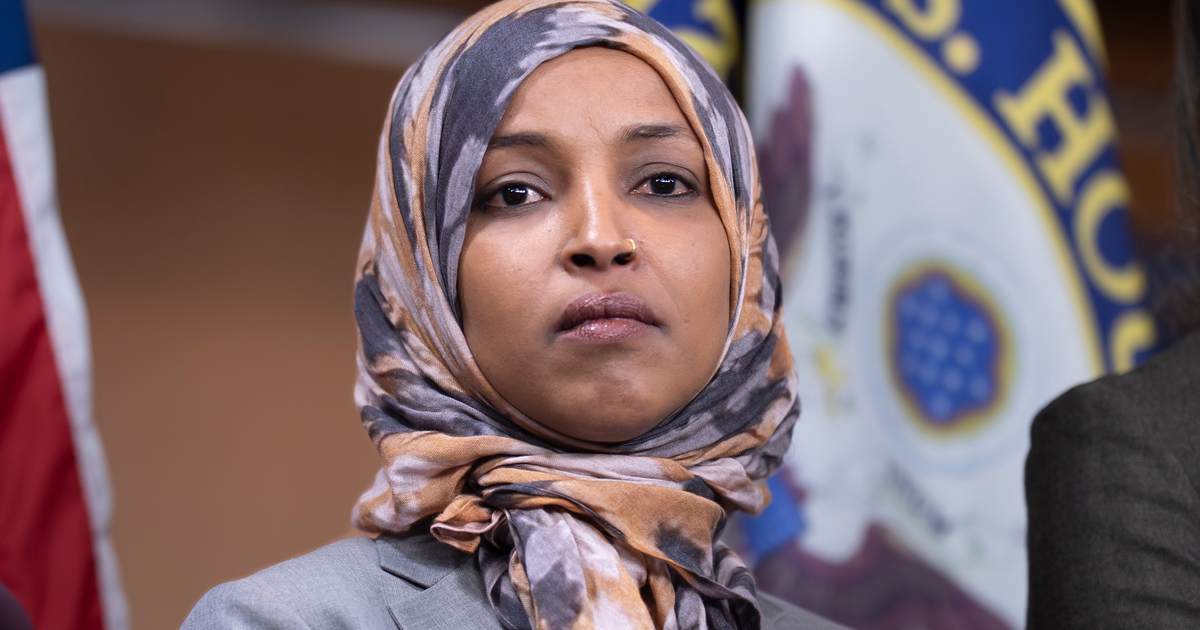
Federal Raid Targets Omar Amid Unresolved Name and Marriage Allegations
Agents searched Rep. Ilhan Omar's DC residence over immigration fraud allegations; she called it bizarre. Reports and commentary questioned her birth name and past marriage details.

Supreme Court Upholds New Hampshire Student ID Voting Ban
The Supreme Court upheld New Hampshire's ban on student IDs as valid voter identification just before midterms, affecting a tight Senate race.
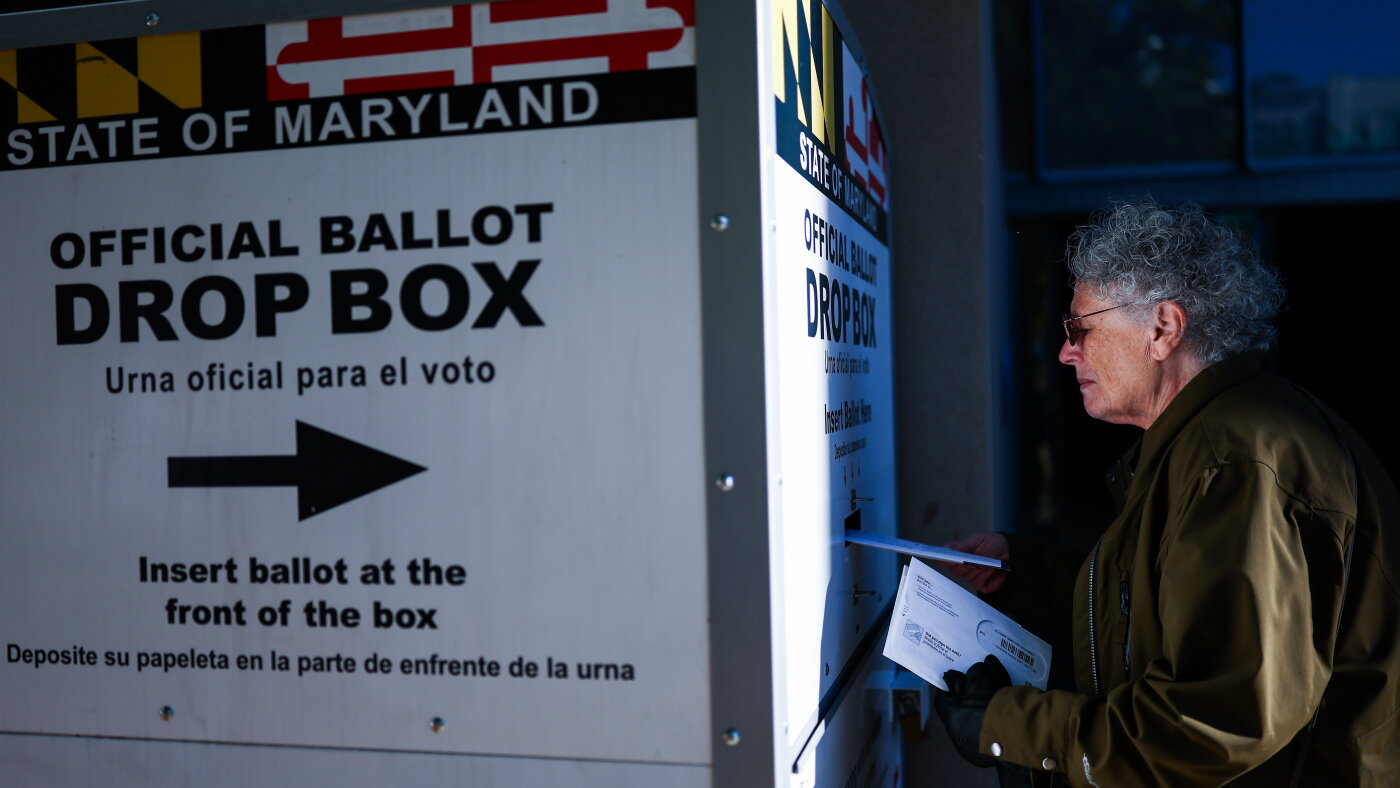
Early Voting Hits 21 Million as Most Trust Midterm Accuracy
Millions have already voted early as parties make final appeals amid $1.4 billion in ad spending; polls show confidence in election accuracy.
The Compass
You just read five takes on one story.
What's your take? Find your political shape in a few minutes.
Take the test