
Spencer Pratt's AI Campaign Tests LA's Political Limits

Cover image from latimes.com, which was analyzed for this article
Former reality star Spencer Pratt is running for LA mayor using AI-generated content and combative online tactics to court voters. Outlets question whether internet buzz can translate into electoral success.
PoliticalOS
Thursday, May 21, 2026 — Politics
Pratt has generated substantial online visibility through AI content and combative messaging, yet structural Democratic registration advantages and limited policy detail leave his path to victory narrow. Voters must weigh whether visible city problems justify supporting an unconventional candidate whose reach has not yet been matched by polling strength.
What outlets missed
No outlet supplied current city or county data on the number of structures destroyed in the Palisades Fire or year-over-year changes in the city's homeless population counts. None examined the specific effects of Proposition 47 on local prosecution thresholds or state housing mandates that constrain city permitting decisions. Coverage also omitted precinct-level 2024 election results showing measurable Latino shifts toward Republican candidates in Southern California on border and inflation issues. Pratt's campaign has not published detailed budget or staffing proposals that would allow voters to assess how he would implement promised encampment clearances.
Spencer Pratt Leans on Viral Tactics in Bid to Shake Up Los Angeles Mayoral Race
Spencer Pratt, the former reality television personality best known for his role on the MTV series The Hills, has built an online following by circulating artificial intelligence-generated videos that depict him battling Los Angeles Mayor Karen Bass with lightsabers or swooping in as Batman to rescue a burning city. His campaign has also relied on teams of freelance editors to produce short social media clips that criticize city leadership, including claims about nonexistent strains of methamphetamine on local streets and misleading accounts of state officials’ handling of the Palisades Fire.
These tactics have drawn significant attention ahead of the June primary, where Pratt is seeking to advance as a conservative challenger in a city where registered Democrats outnumber Republicans by more than three to one. Supporters argue that the approach fills a gap in local discourse by directly confronting what they describe as policy failures on homelessness, public safety, and wildfire response. Critics, including some progressive organizers, contend that the content amplifies unverified claims and distracts from the structural challenges facing municipal government.
Los Angeles has struggled with visible encampments, slow rebuilding after recent fires, and budget pressures that have limited new housing construction. Pratt’s messaging echoes complaints heard in neighborhoods across the city, where residents report declining services and rising costs. Yet translating online engagement into votes remains uncertain in a primary that features multiple candidates and low historical turnout. Recent polling has shown Pratt competitive in name recognition among younger voters and social media users, but trailing among those who prioritize experience in city administration.
The campaign’s emphasis on digital reach also highlights shifting voter patterns among Latino residents, who make up a large share of the electorate. In previous local and state contests, support for conservative candidates has grown in some Latino-majority areas, driven by concerns over education, housing affordability, and public safety. Former mayoral candidate Rick Caruso drew a majority of Latino voters in 2022 despite an unsuccessful bid. Pratt and other Republican-leaning hopefuls have held events in smaller cities with high Latino populations, seeking to build on that trend without relying solely on national political figures for endorsement.
Still, analysts note that sustained success in Los Angeles requires broad coalitions and detailed policy proposals that address the city’s charter constraints and limited mayoral powers over county and state functions. Pratt has not released a comprehensive platform on budgeting or land-use reform, focusing instead on rapid-response content. This strategy mirrors wider changes in political communication, where short-form video and algorithmic amplification can elevate outsiders but often struggle to convert attention into durable organizing structures.
Election officials expect turnout to remain modest, which could favor candidates with highly motivated bases. Whether Pratt’s internet presence produces enough ground-level support to reach a runoff will depend on the final weeks of voter contact and debate performances. For now, his effort illustrates how attention-economy tools are testing the boundaries of traditional local campaigns without yet demonstrating a clear path to governing a city of nearly four million people.
You just read Liberal's take. Want to read what actually happened?
More in Politics
Trump at 32% Approval as Gas Prices Test GOP Midterm Hopes
NYT/Siena polling showed Trump's approval at historic lows around 32 percent with Democrats leading by double digits in key districts. Early voting has surged in battleground states.

Record Early Voting Hits Battlegrounds, Shifting Partisan Shares
AP analysis found hundreds of thousands more early ballots than in 2022 in states including Texas, Ohio, Kansas, Maine, and North Carolina, shifting partisan dynamics.
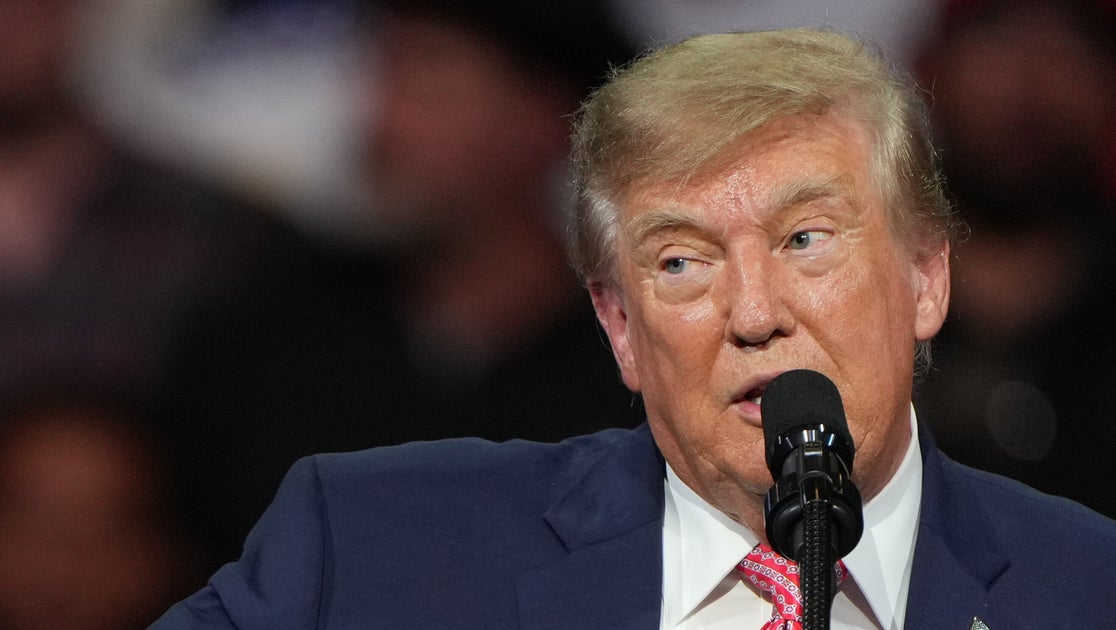
Trump Backs Marshall in Kansas Senate Race Tightened by Farm Costs
President Trump rallied in deep-red Kansas for GOP Sen. Roger Marshall in a competitive race, announcing an $8 billion farm fuel relief program amid high diesel prices. Democrats see an opening to end 94 years of GOP dominance in the state.

Trump Pauses Russia Sanctions Amid Ukraine Tensions and Missile Strikes
Trump waived sanctions on Russia and floated trilateral talks with Putin and Xi as part of ending the Ukraine war, while tensions rose with Zelenskyy over Starlink and arms. Bipartisan senators engaged Zelenskyy amid the shifts.
The Compass
You just read five takes on one story.
What's your take? Find your political shape in a few minutes.
Take the test