
SPLC Indictment Alleges $3M Funneled to Extremists It Exposed

Cover image from dailywire.com, which was analyzed for this article
Indictment of SPLC decried as retaliation, while critics expose corrupt ties and targeting of conservatives. Famed writer launches strike back as reckoning hits. Political candidates' SPLC links draw intense review.
PoliticalOS
Friday, April 24, 2026 — Politics
The federal indictment accuses the Southern Poverty Law Center of diverting millions in donations to associates of the extremist groups it has spent decades opposing, raising serious questions about donor trust and operational integrity that a trial will test. The organization maintains the payments supported legitimate, discreet intelligence gathering on violent threats and calls the case political retaliation. Readers should treat both the government's allegations and the SPLC's defensive narrative with appropriate skepticism until evidence is presented in court; the group's real achievements against hate do not immunize it from accountability, nor does criticism of its labeling practices prove the current charges.
What outlets missed
Most coverage either omitted the SPLC's detailed explanation that the payments involved confidential informants infiltrating violent groups for intelligence purposes, or downplayed the group's decades of successful litigation that bankrupted major hate organizations like the KKK. Few outlets noted that specific claims about Jocelyn Benson's operational overlap with the 2014-2023 period lack independent corroboration outside conservative sources, or that the SPLC deleted its 2016 'Field Guide to Anti-Muslim Extremists' in 2018 after legal challenges and issued at least one public apology. The potential effect on ongoing SPLC lawsuits, its multimillion-dollar endowment and law enforcement's historical use of its data received almost no sustained attention across the sampled reporting.
SPLC Indictment Raises Alarms Over Political Retaliation Against Civil Rights Watchdog
The federal indictment of the Southern Poverty Law Center handed down this week has ignited fierce debate over whether a storied civil rights organization is finally facing accountability for financial misconduct or whether the Justice Department under President Trump is engaging in a calculated campaign of intimidation against one of the nation’s most effective monitors of extremism.
A federal grand jury in Montgomery, Alabama, charged the SPLC with 11 counts including wire fraud, bank fraud, false statements, and conspiracy to commit money laundering. Prosecutors allege that between 2014 and 2023 the group secretly diverted more than $3 million in donated funds to individuals associated with violent extremist organizations such as the Ku Klux Klan, Aryan Nations, and the National Socialist Party of America. The SPLC has forcefully denied any wrongdoing, calling the charges baseless and promising to contest them vigorously in court.
Interim President and CEO Bryan Fair acknowledged that the investigation centers on the organization’s past use of paid confidential informants who infiltrated dangerous hate groups. That program, he said, was deliberately kept quiet to protect the safety of those informants. The SPLC has long maintained that gathering credible intelligence on violent extremists is core to its mission of protecting vulnerable communities and assisting law enforcement.
Civil rights leaders immediately condemned the indictment as far more than a routine legal action. Marc Morial, president of the National Urban League, described it as “an act of intimidation and retaliation” aimed at shrinking the space for dissent. In an opinion column, Morial argued that the SPLC’s decades of documenting hate, litigating against discriminatory practices, and supporting marginalized Americans have made it a target for those who resent accountability. The organization is a member of the Urban League’s Demand Diversity Roundtable, which promotes equal opportunity and lawful advocacy. Morial warned that criminalizing such work threatens the foundation of civil society.
The timing of the indictment has only heightened suspicions of political motivation. Coming during the early months of a second Trump administration, the move fits a pattern of the president’s long-standing grievances against institutions that have criticized his rhetoric on race, immigration, and Islam. The SPLC has repeatedly listed Trump-associated figures and policies in its tracking of rising extremism, a fact not lost on its defenders.
Adding a political dimension to the story is Michigan Secretary of State Jocelyn Benson, the clear frontrunner in next year’s gubernatorial race. Benson worked undercover for the SPLC in the late 1990s, posing as a freelance journalist to penetrate neo-Nazi networks and gather intelligence on their activities and plans. In her 2025 memoir “The Purposeful Warrior,” she credits that experience with giving her a sense of purpose that has guided her career in public service and election protection. Her ties to the organization have already drawn scrutiny from conservative opponents who see the indictment as an opportunity to smear her by association.
Meanwhile, Ayaan Hirsi Ali, the Somali-born writer and critic of Islam who has lived under armed protection for more than two decades after Islamist death threats, welcomed the charges. In a sharply worded essay titled “The SPLC Targeted Me. Now Its Reckoning Has Come,” she recounted how the SPLC placed her on a 2016 list of “anti-Muslim extremists.” Hirsi Ali argued the designation was not only defamatory but dangerous, coming at a moment when Islamist violence was claiming lives across Europe. She expressed little surprise at the indictment, suggesting it represented a long-delayed reckoning for an organization she believes has lost its way.
Hirsi Ali’s perspective carries weight for those who share her critique of political Islam. Yet her own writings have drawn sharp rebukes from Muslim scholars and progressive activists who accuse her of generalizing about Islam and providing intellectual cover for anti-Muslim prejudice. The SPLC’s decision to include her on its list reflected concerns that her rhetoric sometimes blurred the line between criticizing extremism and stigmatizing an entire faith. That disagreement sits at the heart of larger cultural battles over free speech, religious liberty, and national security that have defined American politics for two decades.
The SPLC was founded in 1971 by civil rights lawyers Morris Dees and Julian Bond. It built its reputation on groundbreaking lawsuits that bankrupted branches of the Ku Klux Klan and other white supremacist organizations. Over the years it has expanded into a comprehensive research and advocacy operation that tracks hate groups, produces annual reports on domestic extremism, and litigates on issues ranging from voting rights to immigrant detention. Its work has been cited by journalists, law enforcement agencies, and human rights organizations worldwide.
Supporters argue that the group’s aggressive monitoring of the radical right made it inevitable that it would accumulate powerful enemies. Conservative organizations and individuals labeled as hate groups by the SPLC have long complained that the designations are politically motivated and have real-world consequences for fundraising and public perception. The current indictment appears to give those critics fresh ammunition, even as questions remain about the strength of the government’s evidence and the selective nature of the prosecution.
Legal experts following the case note that proving money laundering and fraud will require prosecutors to show clear intent to deceive donors and misuse funds. The SPLC insists its informant program, while unorthodox, was a legitimate intelligence-gathering effort aimed at protecting the public from genuine threats. If the organization can demonstrate that any payments were part of controlled operations rather than ideological collusion, the charges could collapse.
What is not in dispute is the broader chilling effect the indictment is already having. Civil rights and watchdog organizations across the country are watching closely, concerned that aggressive use of federal criminal power against advocacy groups could deter others from investigating extremism or challenging entrenched power. In an era when white nationalist activity has surged and political violence remains a serious concern, many worry that weakening the SPLC would leave a dangerous intelligence gap.
The organization itself shows no signs of retreat. In its public statements it has framed the case as part of a larger assault on independent civil society rather than a narrow financial dispute. Whether the charges hold up in court or ultimately reinforce the SPLC’s narrative of persecution will shape not only its future but the parameters of acceptable dissent in American public life. For an organization that has spent half a century shining light into dark corners, the spotlight now turned on it could prove to be its most consequential test yet.
You just read Progressive's take. Want to read what actually happened?
More in Politics

Trump Defends Ramaswamy Ad Using Estranged Mother in Ohio Race
President Trump defended a GOP nominee's ad featuring a Democratic opponent's estranged mother, calling it powerful, while drawing criticism from some Republicans including Ohio Gov. Mike DeWine. The ad has sparked internal GOP tensions ahead of midterms.
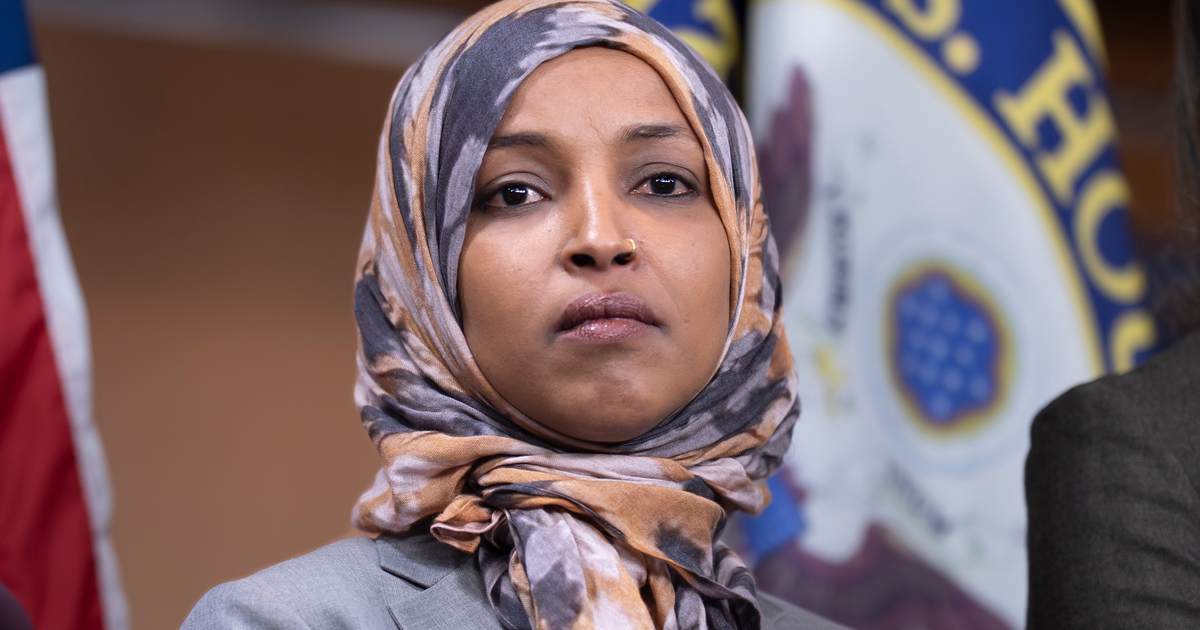
Federal Raid Targets Omar Amid Unresolved Name and Marriage Allegations
Agents searched Rep. Ilhan Omar's DC residence over immigration fraud allegations; she called it bizarre. Reports and commentary questioned her birth name and past marriage details.

Supreme Court Upholds New Hampshire Student ID Voting Ban
The Supreme Court upheld New Hampshire's ban on student IDs as valid voter identification just before midterms, affecting a tight Senate race.
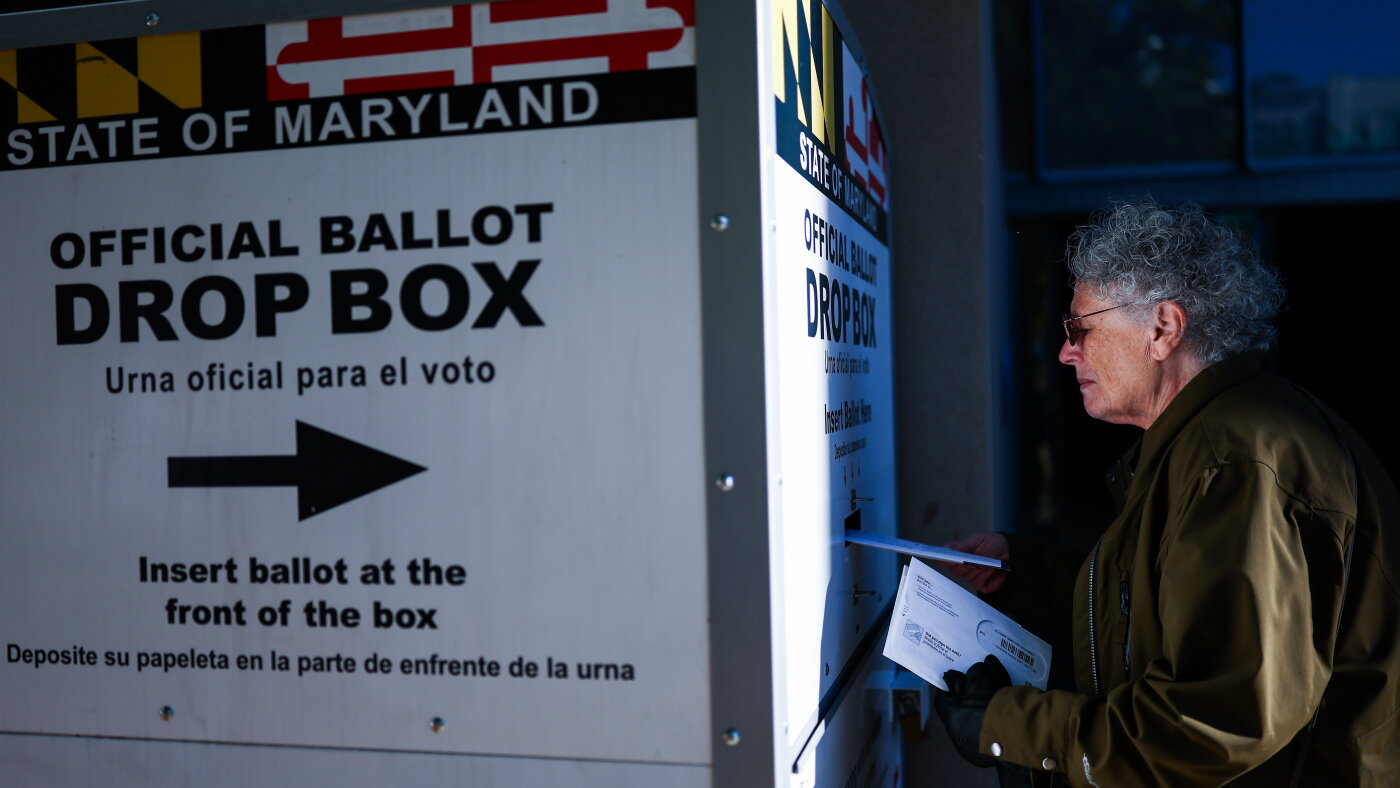
Early Voting Hits 21 Million as Most Trust Midterm Accuracy
Millions have already voted early as parties make final appeals amid $1.4 billion in ad spending; polls show confidence in election accuracy.
The Compass
You just read five takes on one story.
What's your take? Find your political shape in a few minutes.
Take the test