
Primaries in Maine, New Mexico and California test party lines
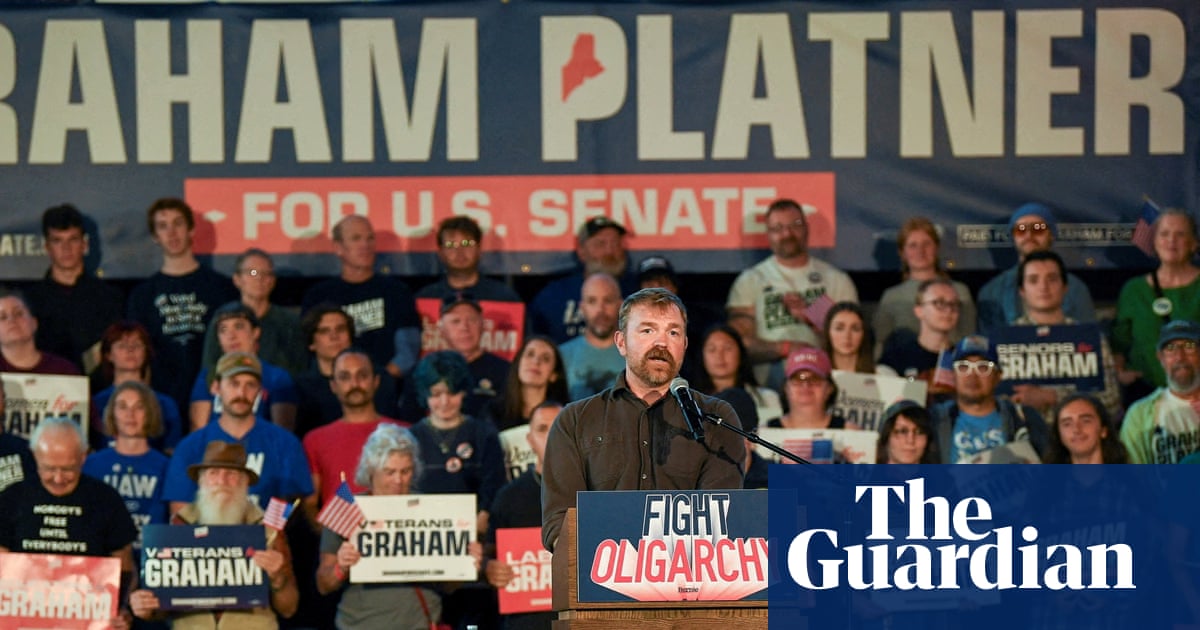
Cover image from theguardian.com, which was analyzed for this article
Voters headed to polls in Maine and other states for key primaries, including governor and Senate races. Results signal shifts in Democratic and Republican fields.
PoliticalOS
Monday, June 8, 2026 — Politics
Democratic primaries in multiple states produced nominees facing personal controversies or internal party resistance, while Republicans gained opportunities in competitive general-election races. Final outcomes in several contests remain subject to remaining vote counts and possible candidate withdrawals before July deadlines.
What outlets missed
No outlet provided complete vote totals or turnout figures for the June 2 or June 8 contests. The New Mexico Republican gubernatorial primary received minimal attention beyond candidate names. Maine’s gubernatorial and congressional primaries were described without polling data or fundraising totals. California coverage omitted any cross-reference to the New Mexico or Maine results, leaving readers without a national context for simultaneous Democratic primary turbulence.
Voters in at least three states cast ballots in June 2026 primaries that will shape Senate, governor and congressional contests this fall. The outcomes highlight Democratic internal divisions and Republican efforts to capitalize on them.
In New Mexico, former Interior Secretary Deb Haaland defeated Albuquerque-area prosecutor Sam Bregman for the Democratic nomination for governor, according to Washington Post reporting. Haaland, a member of the Laguna Pueblo tribe and the first Native American to serve in a presidential Cabinet, led in polls and name recognition. New Mexico relies on oil and gas revenue to fund universal child care, school lunches and free college tuition. Republicans conducted a three-way primary among former Rio Rancho mayor Gregg Hull, small-business owner Doug Turner and cannabis executive Duke Rodriguez.
Maine voters decided a Senate primary in which Democratic nominee Graham Platner, a 41-year-old oysterman and Marine veteran, advanced after Gov. Janet Mills suspended her campaign. Platner faces Republican Sen. Susan Collins, who last won by nine points in 2020. Recent polling showed Platner with a narrow lead that narrowed after reports of past online posts containing racist, sexist and homophobic language, a tattoo resembling a Nazi symbol, and allegations of abusive behavior in prior relationships. Platner denied the allegations as politically motivated. Maine election law permits the nominee to withdraw by July 13 and allows the party to select a replacement by July 27. The state’s second congressional district also held a competitive Democratic primary to replace retiring Rep. Jared Golden, with the winner facing former Gov. Paul LePage. Gubernatorial primaries occurred in both parties.
In California, the Los Angeles Times reported that state Sen. Scott Wiener finished first in the race for the San Francisco-area congressional seat long held by Nancy Pelosi. Progressive challengers in other districts, including Jake Levine against Rep. Brad Sherman and Mai Vang against Rep. Doris Matsui, tested the party’s established order. Former Health Secretary Xavier Becerra led the open gubernatorial primary. A separate Los Angeles Times account described a party-line Senate vote reconfirming five members of the state Board of Parole Hearings after Republicans objected to parole grants for sex offenders under the state’s elderly parole program.
Across the contests, Democratic voters selected nominees amid questions about candidate viability and party direction, while Republicans positioned themselves for general-election opportunities in states that have trended Democratic in recent cycles. Several races remain subject to final vote counts and potential withdrawals.
More in Politics
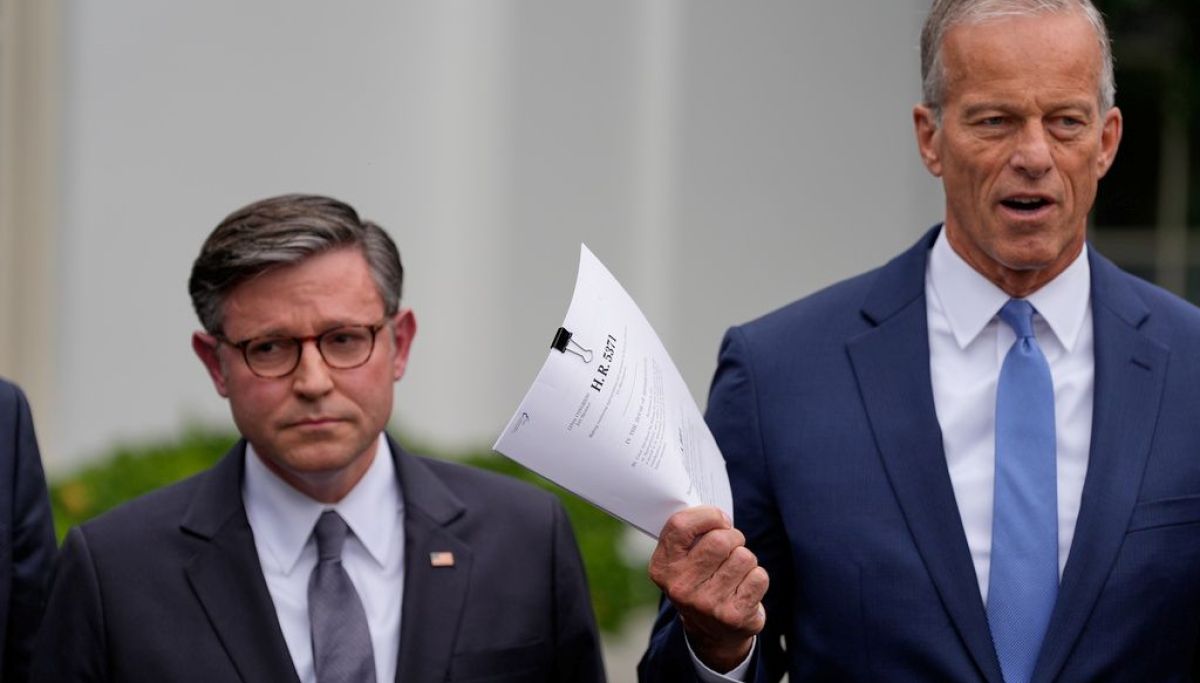
Trump at 32% Approval as Gas Prices Test GOP Midterm Hopes
NYT/Siena polling showed Trump's approval at historic lows around 32 percent with Democrats leading by double digits in key districts. Early voting has surged in battleground states.

Record Early Voting Hits Battlegrounds, Shifting Partisan Shares
AP analysis found hundreds of thousands more early ballots than in 2022 in states including Texas, Ohio, Kansas, Maine, and North Carolina, shifting partisan dynamics.
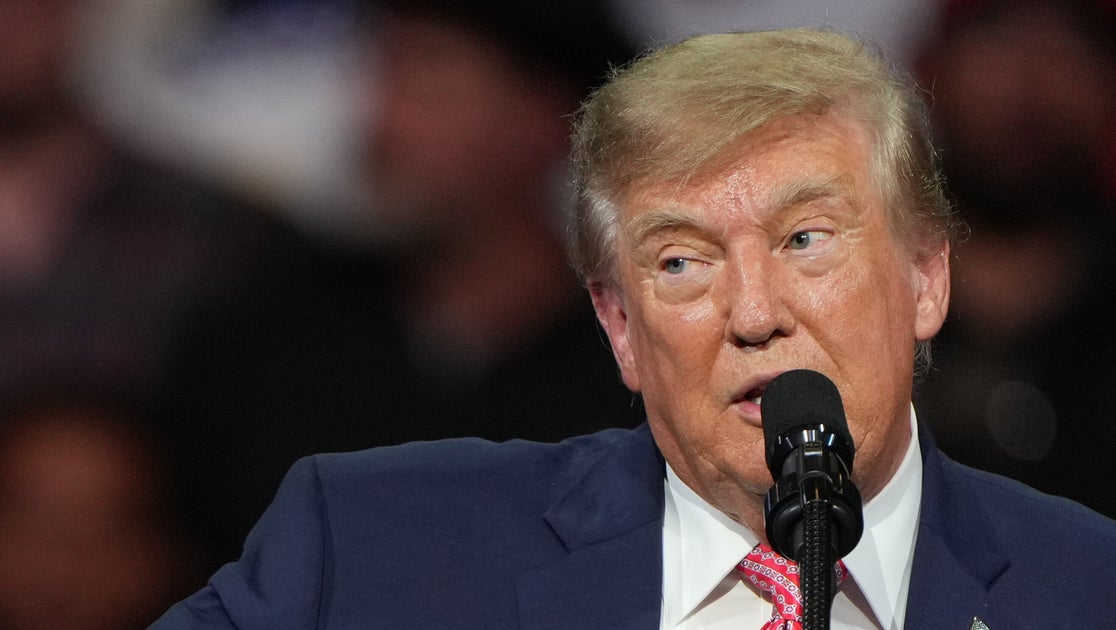
Trump Backs Marshall in Kansas Senate Race Tightened by Farm Costs
President Trump rallied in deep-red Kansas for GOP Sen. Roger Marshall in a competitive race, announcing an $8 billion farm fuel relief program amid high diesel prices. Democrats see an opening to end 94 years of GOP dominance in the state.

Trump Pauses Russia Sanctions Amid Ukraine Tensions and Missile Strikes
Trump waived sanctions on Russia and floated trilateral talks with Putin and Xi as part of ending the Ukraine war, while tensions rose with Zelenskyy over Starlink and arms. Bipartisan senators engaged Zelenskyy amid the shifts.
The Compass
You just read five takes on one story.
What's your take? Find your political shape in a few minutes.
Take the test