
Primaries in Maine, New Mexico and California test party lines
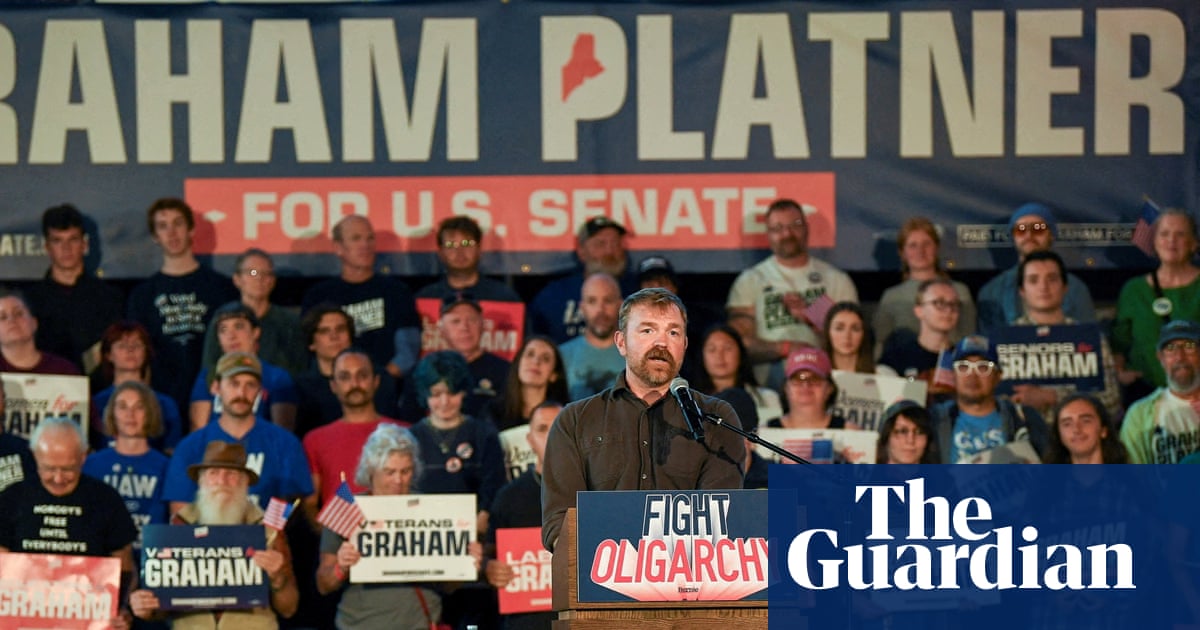
Cover image from theguardian.com, which was analyzed for this article
Voters headed to polls in Maine and other states for key primaries, including governor and Senate races. Results signal shifts in Democratic and Republican fields.
PoliticalOS
Monday, June 8, 2026 — Politics
Democratic primaries in multiple states produced nominees facing personal controversies or internal party resistance, while Republicans gained opportunities in competitive general-election races. Final outcomes in several contests remain subject to remaining vote counts and possible candidate withdrawals before July deadlines.
What outlets missed
No outlet provided complete vote totals or turnout figures for the June 2 or June 8 contests. The New Mexico Republican gubernatorial primary received minimal attention beyond candidate names. Maine’s gubernatorial and congressional primaries were described without polling data or fundraising totals. California coverage omitted any cross-reference to the New Mexico or Maine results, leaving readers without a national context for simultaneous Democratic primary turbulence.
Democrats Pick Losers and Lawbreakers in Scattered Primary Votes
New Mexico Democrats chose former Interior Secretary Deb Haaland as their nominee for governor Tuesday, handing the nod to a Biden administration veteran with little executive experience at the state level. Haaland defeated prosecutor Sam Bregman in a race that highlighted the party's preference for national figures over local problem solvers. The state remains one of the poorest in the nation despite sitting on vast oil and gas reserves that already bankroll an expansive safety net including universal child care and free college tuition.
Voters now face the prospect of Haaland managing those resources as the next governor. Her background centers on federal environmental rules and tribal issues rather than balancing budgets or controlling crime in Albuquerque. New Mexico has swung more reliably Democratic in recent cycles, yet the underlying economic struggles persist under one-party dominance in Santa Fe. Haaland would become the first Native American woman elected to the post if she wins in November, a milestone that drew attention from national outlets but does little to address day-to-day governance failures.
Similar patterns emerged elsewhere. In California, the Democratic-controlled Senate reconfirmed five members of the parole board despite recent decisions to release serial sex offenders including David Allen Funston, Gregory Lee Vogelsang, and Roberto Antonio Detrinidad. Republicans on the floor objected that the board prioritizes legal technicalities over public safety, pointing to the state's elderly parole rules that allow hearings after twenty years for inmates over fifty. Democrats defended the votes as compliance with a 2008 court ruling requiring evidence of current risk, but critics noted the outcomes leave communities exposed when dangerous offenders return to the streets.
The same state saw primary results that exposed deepening internal fractures among Democrats. Younger progressives bypassed traditional lines to challenge incumbents, producing a field of candidates more focused on ideological purity than broad appeal. Observers described the contests as chaotic, with institutional control weakening and new voices rejecting any wait-your-turn approach. The results offered little preview of November turnout yet underscored a party struggling to define itself ahead of future national races.
Maine presented another wrinkle. Democratic voters appear ready to nominate Graham Platner, a 41-year-old oysterman and Marine veteran, for Senate against longtime Republican Susan Collins. Platner built support with blunt criticism of foreign spending and promises to redirect funds toward domestic needs. His campaign drew crowds in rural areas and outside donations, but it also carried a growing list of personal controversies. Collins has held the seat for nearly three decades and survived tougher challenges before, including a Biden wave year.
Across these contests, Democratic primaries rewarded candidates tied to expansive government programs, lenient criminal justice approaches, and internal party infighting. New Mexico's oil wealth continues to subsidize ambitious social experiments while core services lag. California's parole decisions drew direct fire for favoring offenders over victims. The party's broader disarray suggests voters may soon confront the practical costs of these choices in multiple states.
You just read America First's take. Want to read what actually happened?
More in Politics
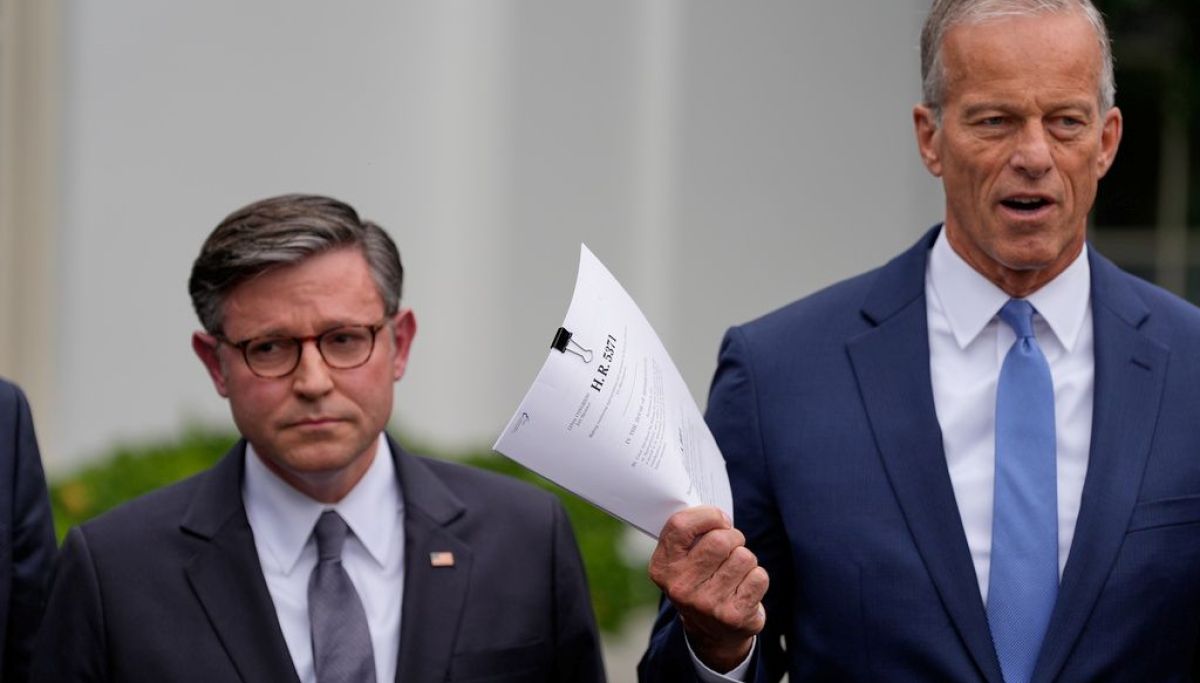
Trump at 32% Approval as Gas Prices Test GOP Midterm Hopes
NYT/Siena polling showed Trump's approval at historic lows around 32 percent with Democrats leading by double digits in key districts. Early voting has surged in battleground states.

Record Early Voting Hits Battlegrounds, Shifting Partisan Shares
AP analysis found hundreds of thousands more early ballots than in 2022 in states including Texas, Ohio, Kansas, Maine, and North Carolina, shifting partisan dynamics.
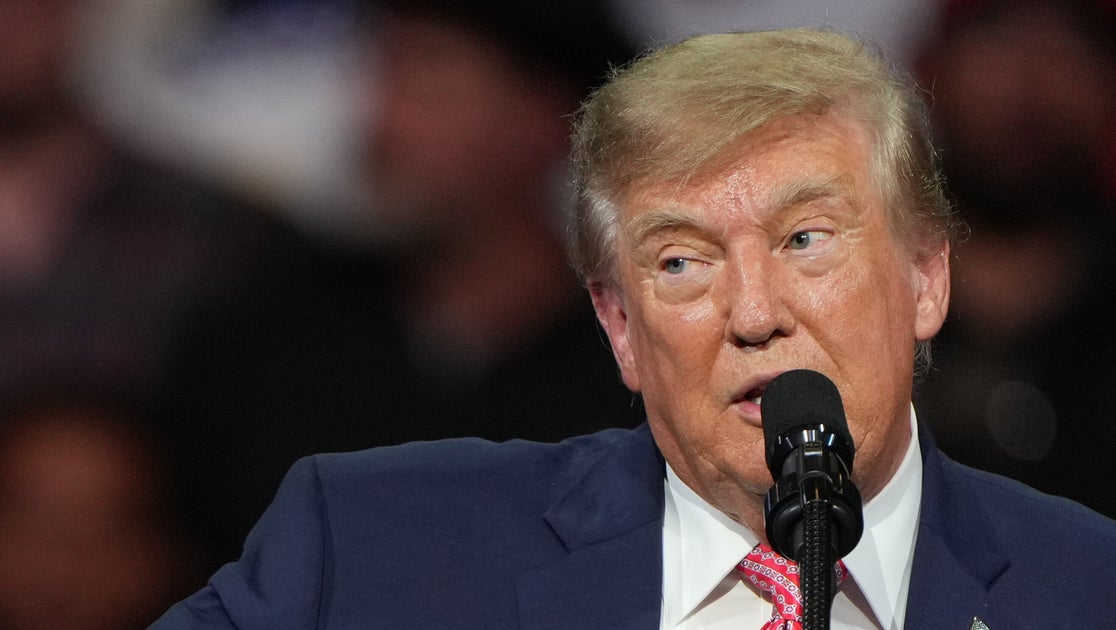
Trump Backs Marshall in Kansas Senate Race Tightened by Farm Costs
President Trump rallied in deep-red Kansas for GOP Sen. Roger Marshall in a competitive race, announcing an $8 billion farm fuel relief program amid high diesel prices. Democrats see an opening to end 94 years of GOP dominance in the state.

Trump Pauses Russia Sanctions Amid Ukraine Tensions and Missile Strikes
Trump waived sanctions on Russia and floated trilateral talks with Putin and Xi as part of ending the Ukraine war, while tensions rose with Zelenskyy over Starlink and arms. Bipartisan senators engaged Zelenskyy amid the shifts.
The Compass
You just read five takes on one story.
What's your take? Find your political shape in a few minutes.
Take the test