
Primaries in Maine, New Mexico and California test party lines
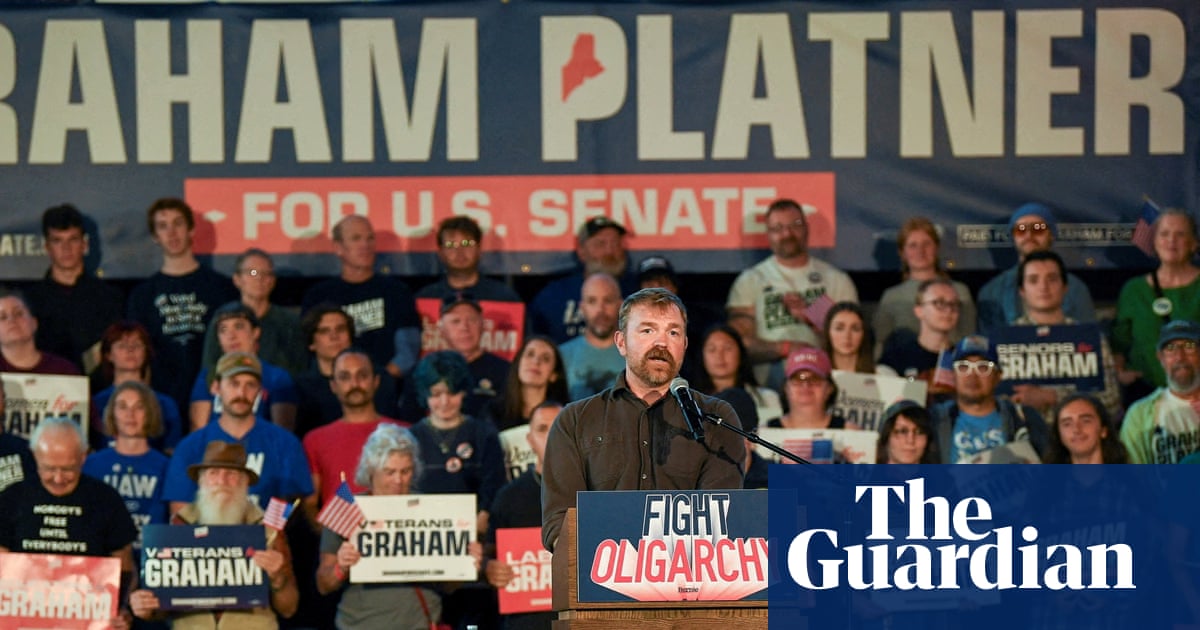
Cover image from theguardian.com, which was analyzed for this article
Voters headed to polls in Maine and other states for key primaries, including governor and Senate races. Results signal shifts in Democratic and Republican fields.
PoliticalOS
Monday, June 8, 2026 — Politics
Democratic primaries in multiple states produced nominees facing personal controversies or internal party resistance, while Republicans gained opportunities in competitive general-election races. Final outcomes in several contests remain subject to remaining vote counts and possible candidate withdrawals before July deadlines.
What outlets missed
No outlet provided complete vote totals or turnout figures for the June 2 or June 8 contests. The New Mexico Republican gubernatorial primary received minimal attention beyond candidate names. Maine’s gubernatorial and congressional primaries were described without polling data or fundraising totals. California coverage omitted any cross-reference to the New Mexico or Maine results, leaving readers without a national context for simultaneous Democratic primary turbulence.
Democratic Primaries Show Party Grappling With Change
Democratic primaries this month offered scattered but telling signals about how the party is managing leadership transitions and internal divisions heading into the midterms. In New Mexico, former Interior Secretary Deb Haaland secured the nomination for governor against a local prosecutor, positioning her to potentially become the first Native American woman elected to the role in a state that has leaned increasingly Democratic in recent cycles. Her victory came in a contest focused less on ideology than on continuity, as voters weighed her national profile and experience managing federal lands against a challenger emphasizing prosecutorial credentials on crime.
Similar patterns appeared elsewhere. In Maine, the Democratic Senate primary effectively concluded with the advance of Graham Platner, an oysterman and Marine veteran who built support through populist appeals on domestic spending and skepticism of foreign entanglements. His path opened after the state's governor stepped aside, leaving a field where institutional support proved less decisive than grassroots energy. The contest sets up a general election test against longtime Republican Senator Susan Collins, whose record of selective independence from her party has long complicated Democratic targeting strategies in the state.
California supplied the clearest illustration of friction inside the party. State senators voted along party lines to reconfirm five members of the Board of Parole Hearings, drawing Republican criticism over recent decisions granting parole to several convicted sex offenders under the state's elderly parole rules. Democrats defended the votes as consistent with a 2008 Supreme Court standard requiring evidence of current risk rather than punishment for past offenses alone. The episode overlapped with broader primary results that showed younger and more progressive candidates challenging established figures, including in San Francisco's congressional race.
These outcomes point to recurring tensions rather than coordinated direction. Haaland's win reflected the pull of proven national figures in a state heavily reliant on energy revenues to fund expanded social programs. Platner's rise suggested voters in some places reward candidates who frame economic priorities around domestic investment over traditional foreign policy commitments. In California, the parole debate and primary turbulence underscored how criminal justice reforms and generational turnover can create visible rifts even in a state under sustained Democratic control.
Across these states, the common thread is an absence of clear institutional gatekeeping. Term limits, retirements and open seats have created openings that established networks have not always filled smoothly. Policy questions such as managing resource wealth, overhauling health and education funding, and calibrating parole standards remain on the table for whoever prevails in November. The results so far indicate that Democratic voters are selecting candidates who blend different combinations of experience, outsider appeal and policy emphasis, without yet producing a uniform template for the party's post-2024 direction.
You just read Liberal's take. Want to read what actually happened?
More in Politics
Trump at 32% Approval as Gas Prices Test GOP Midterm Hopes
NYT/Siena polling showed Trump's approval at historic lows around 32 percent with Democrats leading by double digits in key districts. Early voting has surged in battleground states.

Record Early Voting Hits Battlegrounds, Shifting Partisan Shares
AP analysis found hundreds of thousands more early ballots than in 2022 in states including Texas, Ohio, Kansas, Maine, and North Carolina, shifting partisan dynamics.
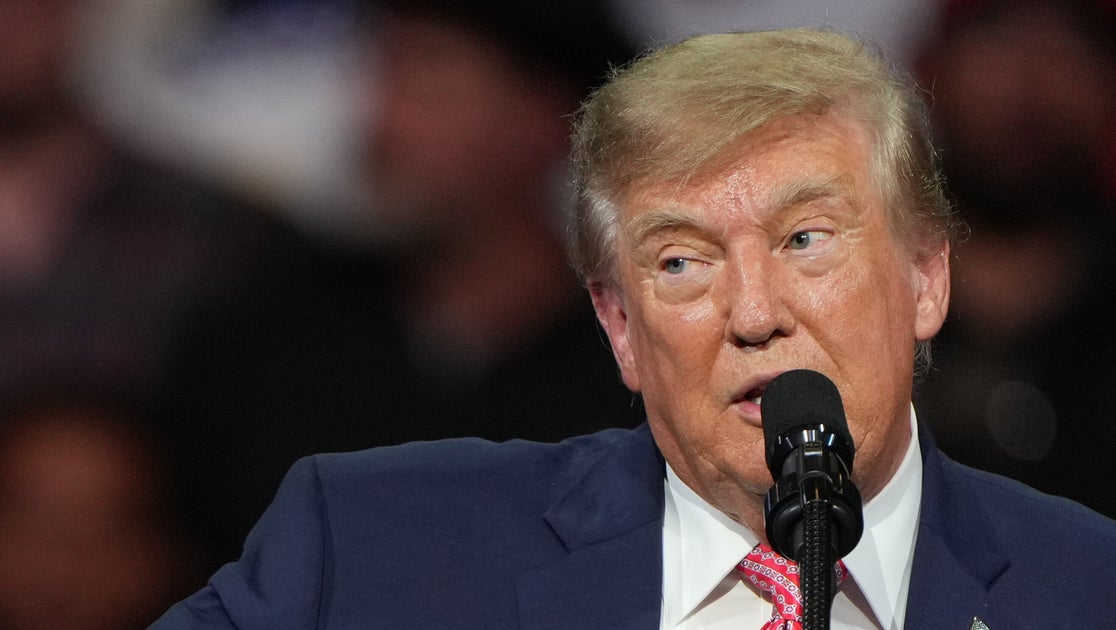
Trump Backs Marshall in Kansas Senate Race Tightened by Farm Costs
President Trump rallied in deep-red Kansas for GOP Sen. Roger Marshall in a competitive race, announcing an $8 billion farm fuel relief program amid high diesel prices. Democrats see an opening to end 94 years of GOP dominance in the state.

Trump Pauses Russia Sanctions Amid Ukraine Tensions and Missile Strikes
Trump waived sanctions on Russia and floated trilateral talks with Putin and Xi as part of ending the Ukraine war, while tensions rose with Zelenskyy over Starlink and arms. Bipartisan senators engaged Zelenskyy amid the shifts.
The Compass
You just read five takes on one story.
What's your take? Find your political shape in a few minutes.
Take the test