
Primaries in Maine, New Mexico and California test party lines
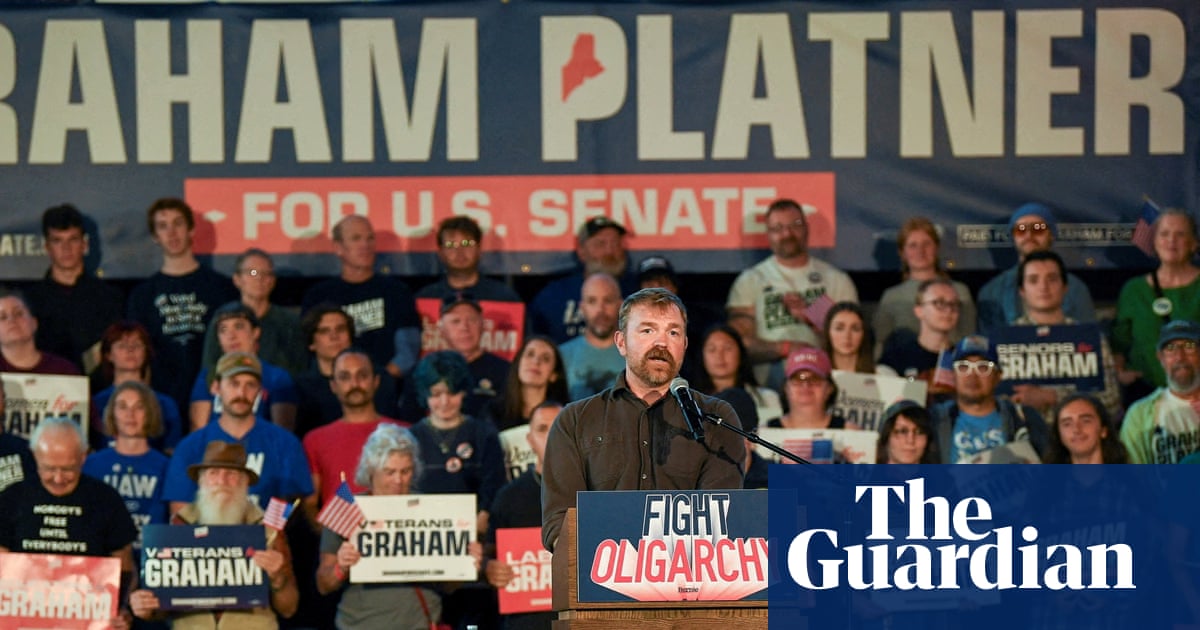
Cover image from theguardian.com, which was analyzed for this article
Voters headed to polls in Maine and other states for key primaries, including governor and Senate races. Results signal shifts in Democratic and Republican fields.
PoliticalOS
Monday, June 8, 2026 — Politics
Democratic primaries in multiple states produced nominees facing personal controversies or internal party resistance, while Republicans gained opportunities in competitive general-election races. Final outcomes in several contests remain subject to remaining vote counts and possible candidate withdrawals before July deadlines.
What outlets missed
No outlet provided complete vote totals or turnout figures for the June 2 or June 8 contests. The New Mexico Republican gubernatorial primary received minimal attention beyond candidate names. Maine’s gubernatorial and congressional primaries were described without polling data or fundraising totals. California coverage omitted any cross-reference to the New Mexico or Maine results, leaving readers without a national context for simultaneous Democratic primary turbulence.
Deb Haaland Secures Democratic Nomination for New Mexico Governor
Former Interior Secretary Deb Haaland claimed the Democratic nomination for New Mexico governor on Tuesday, defeating Albuquerque prosecutor Sam Bregman and positioning herself to potentially become the first Native American woman elected to the post. The victory in the solidly blue state sets up Haaland for a likely general election win in November against Republican opposition.
Haaland, a member of the Laguna Pueblo tribe and former congresswoman, built her career on pushing environmental protections and tribal sovereignty during her time in President Joe Biden’s Cabinet. Her primary win reflects continued Democratic strength in New Mexico, where voters have trended left in recent cycles despite the state’s history of alternating parties in the governor’s mansion. Term-limited Democratic Gov. Michelle Lujan Grisham leaves office after expanding an array of social programs funded by the state’s oil and gas revenues.
New Mexico ranks among the nation’s poorest states yet has directed fossil fuel income toward universal child care, expanded health coverage, free school lunches and tuition-free college. The next governor will oversee those initiatives amid ongoing extraction that makes the state the second-largest oil exporter after Texas. Haaland’s background in resource management could shape how those revenues continue supporting working families rather than solely benefiting industry interests.
The primary unfolded against a national backdrop of Democratic contests testing progressive messaging and institutional control. In Maine, voters advanced Graham Platner, a 41-year-old oysterman and Marine veteran, as the Democratic Senate nominee after his main rival suspended her campaign. Platner’s platform emphasizes redirecting federal spending from overseas conflicts toward domestic priorities such as schools and hospitals, drawing large crowds and donations from both in-state and national progressive sources. He faces longtime Republican Sen. Susan Collins in the fall.
California Democrats confronted their own internal strains during recent primaries, with younger and more progressive candidates challenging establishment figures in several races. Observers noted a breakdown in traditional seniority norms, allowing newer voices to bypass party gatekeepers even as the broader electorate remains months away. Meanwhile, a partisan clash erupted in the state Senate over reconfirming parole commissioners after high-profile releases of long-incarcerated sex offenders under elderly parole rules. Republicans accused the board of prioritizing legal standards over public safety, while Democrats defended decisions grounded in evidence of current risk rather than the original crimes alone.
These scattered contests illustrate Democratic efforts to balance institutional continuity with demands for bolder representation on issues from Indigenous rights to criminal justice reform. Haaland’s nomination stands out for its potential to extend historic firsts while managing New Mexico’s distinctive revenue model for social investment. Turnout in the primary remained limited, as is typical, but her margin signals durable support heading into the general election.
You just read Progressive's take. Want to read what actually happened?
More in Politics

Trump at 32% Approval as Gas Prices Test GOP Midterm Hopes
NYT/Siena polling showed Trump's approval at historic lows around 32 percent with Democrats leading by double digits in key districts. Early voting has surged in battleground states.

Record Early Voting Hits Battlegrounds, Shifting Partisan Shares
AP analysis found hundreds of thousands more early ballots than in 2022 in states including Texas, Ohio, Kansas, Maine, and North Carolina, shifting partisan dynamics.

Trump Backs Marshall in Kansas Senate Race Tightened by Farm Costs
President Trump rallied in deep-red Kansas for GOP Sen. Roger Marshall in a competitive race, announcing an $8 billion farm fuel relief program amid high diesel prices. Democrats see an opening to end 94 years of GOP dominance in the state.

Trump Pauses Russia Sanctions Amid Ukraine Tensions and Missile Strikes
Trump waived sanctions on Russia and floated trilateral talks with Putin and Xi as part of ending the Ukraine war, while tensions rose with Zelenskyy over Starlink and arms. Bipartisan senators engaged Zelenskyy amid the shifts.
The Compass
You just read five takes on one story.
What's your take? Find your political shape in a few minutes.
Take the test