
25 States Sue Trump Administration Over Forced-Labor Tariffs
Cover image from bbc.co.uk, which was analyzed for this article
Twenty-five states filed suit against the Trump administration's new Section 301 tariffs impacting dozens of countries, arguing they exceed executive authority.
PoliticalOS
Tuesday, August 4, 2026 — Politics
The lawsuit tests whether Section 301 can support broad tariffs justified by forced-labor concerns after prior statutory routes were blocked by the Supreme Court. The outcome will determine if the administration can sustain these duties or must refund importers and revise its approach.
What outlets missed
All three accounts omit the USTR’s July 23 Federal Register notice that contained economy-specific findings on forced-labor enforcement failures. None reports the Court of International Trade’s separate ruling striking down the Section 122 tariffs or the status of its appeal. The articles also leave unexamined the statutory definition of “unreasonable” practices under Section 301 and how the administration’s two-month timeline compares with historical precedents beyond the China example.
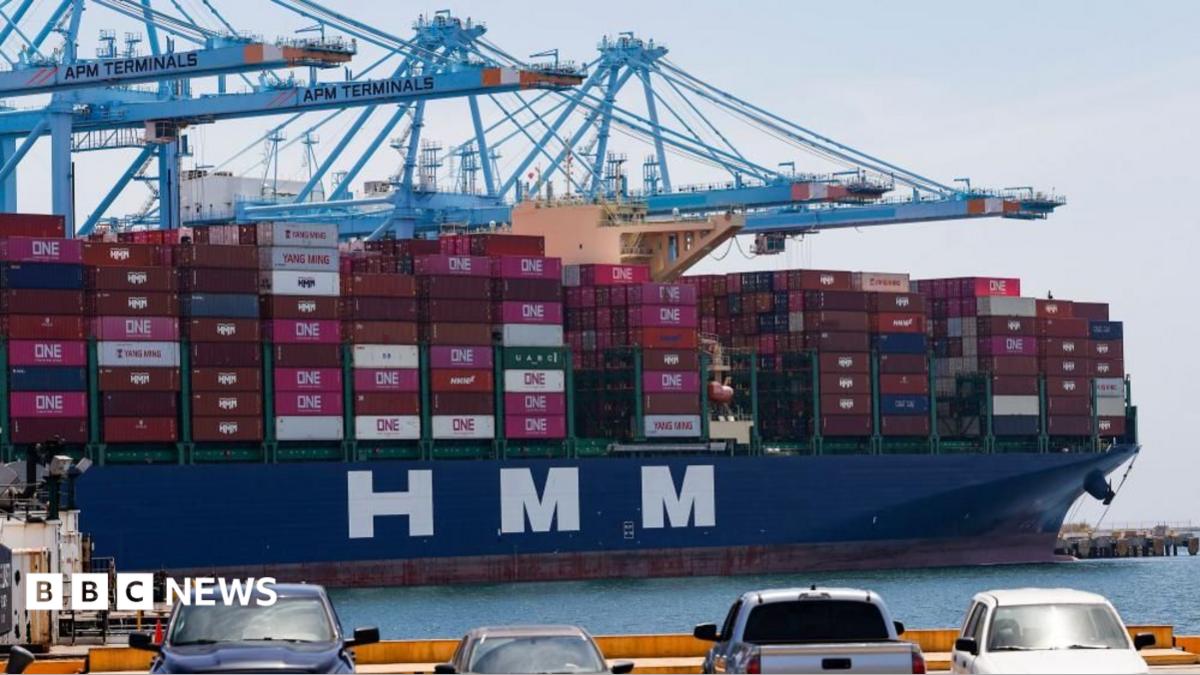
Twenty-five states are challenging tariffs that now apply to nearly all goods entering the United States, raising the cost of imports from 59 countries and the European Union. The duties, set at 10 percent or 12.5 percent, took effect July 23 under Section 301 of the Trade Act of 1974 and cover economies responsible for 99.4 percent of U.S. imports, according to the Office of the U.S. Trade Representative. Plaintiffs argue the measures exceed statutory authority and serve mainly to replace revenue lost after the Supreme Court invalidated earlier tariffs imposed under the International Emergency Economic Powers Act.
The states filed their complaint in the U.S. Court of International Trade on August 4. They contend the administration completed investigations into 60 trading partners in roughly two and a half months, skipped required country-specific consultations, and failed to explain how the chosen rates would reduce forced-labor practices. One internal inconsistency cited in the filing is the exemption of Brazilian frozen beef, a product the administration itself identified as linked to forced labor. New York Attorney General Letitia James said the tariffs amount to an illegal attempt to raise taxes on families and businesses after the earlier legal defeat.
The White House maintains the action rests on lawful authority. Spokesman Kush Desai stated that a foreign country’s failure to block goods made with forced labor burdens U.S. commerce and that Section 301 has withstood prior court review, including tariffs on China during Trump’s first term. Those earlier duties survived challenges after an eight-month investigation; the current probe lasted two months. Two separate lawsuits by small businesses, also filed in the Court of International Trade in July, raise similar procedural objections.
The new tariffs replaced temporary duties under Section 122 of the Trade Act that had themselves been struck down, though that ruling remains on appeal. The states seek a declaration that the Section 301 tariffs are unlawful, an order halting collection, and refunds of duties already paid. The case turns on whether the administration satisfied the statute’s procedural requirements and whether the forced-labor rationale meets the law’s standards for addressing unfair trade practices.
More in Politics

Federal Agents Search Omar Home in Ongoing Immigration Probe
Homeland Security agents searched the Minnesota Democrat's DC residence in a criminal probe, prompting accusations of political intimidation from Omar and Democratic leaders. Coverage spans left-leaning outlets like NPR, BBC, and The Guardian alongside right-leaning criticism from The Federalist and Daily Wire.

Trump Diesel Import Plan Draws Pushback Over Russia Ties
The weekend agreement drew bipartisan congressional pushback and criticism from Ukraine's Zelenskyy, with analysts downplaying US fuel price impacts. Right-leaning outlets like National Review, Dispatch, and Washington Examiner questioned its legality and effectiveness.

Independents Test Voter Appetite for Middle Ground in 2026 Midterms
Nearly 200 independents are running in competitive races as voters weigh ballot measures on housing costs in states like Massachusetts. Left-leaning coverage from NYT, NPR, and Guardian highlights turnout and key races while right outlets focus on GOP strategy.
Trump Rallies in Alaska, Ohio to Bolster GOP Senate Candidates
The president rallied in Wasilla for Sen. Dan Sullivan and faced empty seats at an Ohio event amid midterm concerns. Outlets across the spectrum covered the trips as signals of GOP vulnerability weeks before Election Day.
The Compass
You just read five takes on one story.
What's your take? Find your political shape in a few minutes.
Take the test