
Supreme Court Halts Abortion Pill Restrictions in One-Week Stay

Cover image from newrepublic.com, which was analyzed for this article
The Supreme Court's latest intervention on abortion pill access draws criticism of conservative arguments and drug makers' profit motives. GOP faces ongoing challenges on the issue post-ruling. Coverage highlights sanctity of life and regulatory fights.
PoliticalOS
Wednesday, May 6, 2026 — Politics
The Supreme Court's one-week stay maintains current mifepristone access rules while a deeper legal challenge plays out, illustrating that four years after Dobbs the abortion debate has shifted from constitutional rights to regulatory details, state enforcement and contested safety data. No final ruling has been issued on the drug's risks or the coercion claims at the suit's core. Readers should weigh FDA safety statistics against adverse-event reports and recognize that medication abortion now accounts for the majority of procedures precisely because of the telehealth pathways now under litigation.
What outlets missed
Most coverage omitted the specific affidavit from the Louisiana plaintiff who alleged her boyfriend ordered mifepristone from California via telehealth and coerced her into taking it under threat in 2023; this detail supplied standing the Supreme Court previously found lacking in a related 2024 case. Outlets across the spectrum also underplayed the FDA's dual approval of mifepristone for both medication abortion and early miscarriage management, which informed the agency's rationale for easing in-person rules based on post-approval data from millions of uses. The procedural posture received short shrift: this remains an emergency application on a preliminary stay, not a merits ruling on safety or constitutionality, and the full Supreme Court has not yet signaled its leanings. Finally, few noted that medication abortion rates rose in states with bans after Dobbs precisely because of the telehealth and mail pathways now under challenge, according to data from the Guttmacher Institute that could not be independently verified in every outlet.
Supreme Court Temporarily Sides With Abortion Industry Over Women's Safety Concerns
The Supreme Court on Monday granted a one-week administrative stay that keeps the abortion drug mifepristone flowing through telehealth prescriptions and the mail, blocking a lower-court ruling that had sought to reinstate basic medical safeguards. The move, issued by Justice Samuel Alito, comes just days after the conservative Fifth Circuit Court of Appeals sided with Louisiana and a woman who survived chemical abortion complications, exposing once again how the abortion industry prioritizes speed, access, and profits over the health of American women and their unborn children.
The Fifth Circuit's decision last Friday had restored earlier FDA rules requiring in-person dispensing of mifepristone, the first drug in the two-pill chemical abortion regimen. That requirement existed for years before the Biden administration loosened it during the COVID-19 pandemic and later made the changes permanent. The appeals court found that Louisiana and plaintiff Rosalie Markezich, who suffered life-threatening complications from the drug, demonstrated irreparable harm that outweighed the manufacturer's financial losses. Court records highlighted Danco Laboratories' own arguments that restrictions would hurt its "substantial financial interest" in selling the pills. The Fifth Circuit agreed that such corporate concerns pale compared to the documented dangers to mothers and the lives ended by the regimen.
Mifepristone works by blocking progesterone, the hormone a developing baby needs to survive. Days later, a second drug induces contractions to expel the child. This process now accounts for the majority of abortions in the United States, precisely because it removes the friction of surgical procedures. No doctor's office. No ultrasound. Just pills delivered to your door after a video call. The abortion industry calls this progress. Women who have bled heavily, suffered incomplete abortions requiring emergency surgery, or faced coercion from abusive partners tell a different story.
Anti-abortion leaders reacted with fury to Alito's stay, flooding social media with accusations of betrayal. The same justice who authored the Dobbs decision that overturned Roe v. Wade in 2022 now finds himself attacked by the very movement he empowered. Similar criticism has been aimed at President Trump, whose appointees helped deliver Dobbs but who has not gone as far as some activists demand on the chemical abortion front. This infighting among conservatives reveals how fractured the post-Roe landscape has become, even as millions of Americans continue to view abortion as the taking of innocent human life.
The left has spun the opposite narrative. Outlets like Salon portrayed the Fifth Circuit's ruling as an assault on women's autonomy, while The New Republic claimed mail-order pills actually protect victims of domestic abuse by allowing them to end pregnancies in secret. These arguments invert reality. Easy access to powerful drugs without medical supervision can enable coercion, not prevent it. An abuser can order the pills himself and force them on a partner with no doctor present to ask questions or offer resources. Louisiana's lawsuit rightly argued that the FDA's lax rules interfere with state sovereignty by letting out-of-state providers undermine duly passed laws protecting the unborn.
This is not an abstract legal dispute. It is about whether the federal government can force states to accept a mail-order death industry that treats unborn children as disposable and mothers as customers. The Declaration of Independence speaks of the right to life as a self-evident truth endowed by the Creator. That principle cannot be sliced up by state borders any more than equality could be during the era of slavery. As columnist Star Parker noted, the abortion fight persists because it forces us to answer the most basic question: What is a human life worth?
The Blaze rightly observed that modern chemical abortion depends on convenience above all else. Remove the streamlined distribution and the numbers drop because the illusion of a simple, painless process fades. Yet even this temporary legal victory for Louisiana was short-lived. The Supreme Court's one-week pause restores the status quo while both sides file briefs. Drug makers have made clear where their priorities lie: compliance costs and quarterly profits matter more than the women showing up in emergency rooms with hemorrhaging or sepsis.
Louisiana Attorney General Liz Murrill and Alliance Defending Freedom attorneys framed the case as the next frontier after Dobbs. The "fight for life is far from over," they declared. That much is obvious. While some Republicans would prefer the issue disappear, the American people continue to grapple with the reality of hundreds of thousands of chemical abortions annually, many enabled by a federal agency that appears more interested in expanding access than rigorously evaluating risks.
The abortion industry has adapted since Dobbs by shifting to pills that cross state lines and evade local laws. This case tests whether those workarounds will stand. For now, the Supreme Court has delayed any reckoning. Women and their unborn children deserve better than a system that mails out potent drugs like takeout orders, then washes its hands when complications arise. The brief stay changes nothing about the fundamental stakes: either we protect the vulnerable or we admit that convenience and corporate revenue rank higher than the sanctity of life. The coming weeks of briefing will show whether the justices grasp that ugly truth.
You just read America First's take. Want to read what actually happened?
More in Politics

Trump Defends Ramaswamy Ad Using Estranged Mother in Ohio Race
President Trump defended a GOP nominee's ad featuring a Democratic opponent's estranged mother, calling it powerful, while drawing criticism from some Republicans including Ohio Gov. Mike DeWine. The ad has sparked internal GOP tensions ahead of midterms.
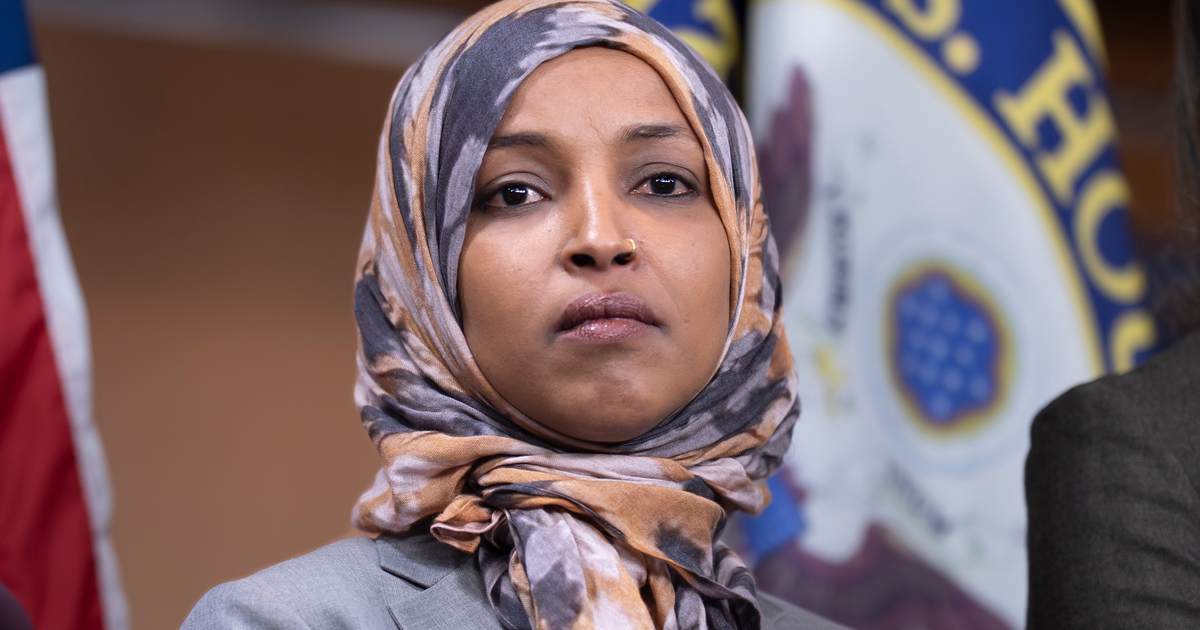
Federal Raid Targets Omar Amid Unresolved Name and Marriage Allegations
Agents searched Rep. Ilhan Omar's DC residence over immigration fraud allegations; she called it bizarre. Reports and commentary questioned her birth name and past marriage details.

Supreme Court Upholds New Hampshire Student ID Voting Ban
The Supreme Court upheld New Hampshire's ban on student IDs as valid voter identification just before midterms, affecting a tight Senate race.
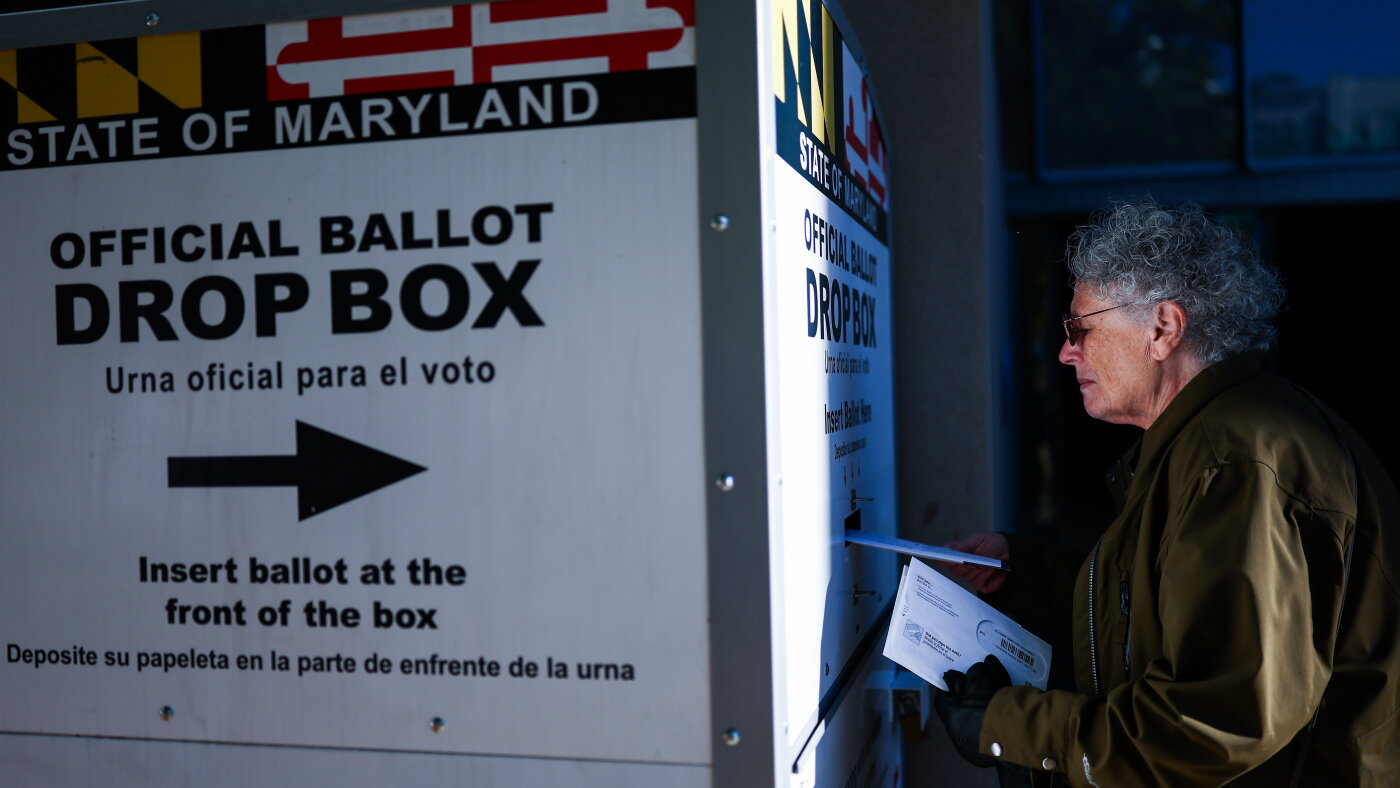
Early Voting Hits 21 Million as Most Trust Midterm Accuracy
Millions have already voted early as parties make final appeals amid $1.4 billion in ad spending; polls show confidence in election accuracy.
The Compass
You just read five takes on one story.
What's your take? Find your political shape in a few minutes.
Take the test