
Supreme Court Halts Abortion Pill Restrictions in One-Week Stay

Cover image from newrepublic.com, which was analyzed for this article
The Supreme Court's latest intervention on abortion pill access draws criticism of conservative arguments and drug makers' profit motives. GOP faces ongoing challenges on the issue post-ruling. Coverage highlights sanctity of life and regulatory fights.
PoliticalOS
Wednesday, May 6, 2026 — Politics
The Supreme Court's one-week stay maintains current mifepristone access rules while a deeper legal challenge plays out, illustrating that four years after Dobbs the abortion debate has shifted from constitutional rights to regulatory details, state enforcement and contested safety data. No final ruling has been issued on the drug's risks or the coercion claims at the suit's core. Readers should weigh FDA safety statistics against adverse-event reports and recognize that medication abortion now accounts for the majority of procedures precisely because of the telehealth pathways now under litigation.
What outlets missed
Most coverage omitted the specific affidavit from the Louisiana plaintiff who alleged her boyfriend ordered mifepristone from California via telehealth and coerced her into taking it under threat in 2023; this detail supplied standing the Supreme Court previously found lacking in a related 2024 case. Outlets across the spectrum also underplayed the FDA's dual approval of mifepristone for both medication abortion and early miscarriage management, which informed the agency's rationale for easing in-person rules based on post-approval data from millions of uses. The procedural posture received short shrift: this remains an emergency application on a preliminary stay, not a merits ruling on safety or constitutionality, and the full Supreme Court has not yet signaled its leanings. Finally, few noted that medication abortion rates rose in states with bans after Dobbs precisely because of the telehealth and mail pathways now under challenge, according to data from the Guttmacher Institute that could not be independently verified in every outlet.
Supreme Court Abortion Pill Ruling Triggers Backlash From Anti-Choice Activists
Even as Republican leaders try to move past the political damage of the 2022 Dobbs decision that overturned Roe v. Wade, the fight over medication abortion continues to expose fractures within the conservative movement and the limits of their agenda. On Monday, Supreme Court Justice Samuel Alito issued an administrative stay blocking a Fifth Circuit Court of Appeals ruling that would have curtailed access to mifepristone, the first drug in the two-pill medication abortion regimen. The brief one-week pause restores the Food and Drug Administration's current guidelines allowing telehealth prescriptions and mailing of the drug while the justices consider further appeals.
The episode reveals how the anti-abortion movement, far from satisfied with ending a constitutional right, is pressing for ever more restrictive measures that even this conservative Supreme Court appears hesitant to endorse without fuller review. Anti-choice groups reacted with fury to Alito's order. Social media filled with accusations of betrayal aimed at both the justice who authored the Dobbs opinion and at President Donald Trump, whose appointees shaped the current court. Their outrage underscores a central reality four years after Dobbs: abortion remains a potent political problem for the GOP, one that refuses to fade despite efforts by party leaders to shift focus to the economy and border security.
The legal battle stems from a lawsuit filed by Louisiana Attorney General Liz Murrill and the Alliance Defending Freedom, a Christian nationalist legal organization. They challenged FDA approvals that expanded mifepristone's availability, first on a temporary basis during the COVID-19 pandemic and then permanently in 2023. The Fifth Circuit's May 1 decision sided with Louisiana, reinstating earlier rules requiring in-person visits to obtain the drug. That ruling would have disrupted access for thousands of patients, particularly in states with total abortion bans where telehealth services from providers in permissive states have become a lifeline.
Critics of the restrictions argue the conservative position inverts reality. Rather than protecting women from coercion, as Louisiana claims, medication abortion has given victims of domestic violence and sexual assault a private means to end pregnancies without detection by abusive partners. The FDA's guidelines, backed by extensive medical evidence, have made the process safer and more accessible without increasing risks. Major medical organizations have repeatedly affirmed that mifepristone, when used as directed, is highly effective and carries complication rates lower than common procedures like wisdom tooth extraction or colonoscopy.
Yet the anti-abortion side frames the issue as one of federal overreach and concern for women's health. Conservative outlets highlighted arguments from mifepristone manufacturer Danco Laboratories about potential financial losses, portraying the company as prioritizing profits over safety. They also pointed to individual stories of adverse reactions, though such cases represent a small fraction of the millions of successful uses since the drug's approval in 2000. Louisiana's filing emphasized what it called "mail-order abortion schemes" and claimed the FDA had failed to adequately consider risks, including to unborn life.
This latest skirmish comes against a backdrop of uneven state-level enforcement since Dobbs returned the issue to legislatures. While some Republican-dominated states have enacted near-total bans, medication abortion now accounts for more than six in ten abortions nationally, according to recent data. Pills can cross state lines through the mail, creating practical challenges for prohibitionists. The confusion generated by rapid shifts in legal status, as seen over the past week, only compounds difficulties for patients and providers trying to navigate a fragmented landscape.
Conservative commentators seized on the episode to reiterate broader philosophical arguments. Some compared abortion to slavery, insisting that the "sanctity of life" cannot vary from state to state and that government must protect what they view as a God-given right to life from conception. Others noted that modern medication abortion relies on administrative convenience and streamlined distribution, suggesting the industry depends on removing "friction" from the process. These voices portray the Supreme Court's temporary stay as merely a delay in what they hope will be a broader rollback.
For Democrats and reproductive rights advocates, the episode offers a reminder of the extremism that has taken hold in the post-Roe era. Public polling consistently shows majority support for legal abortion in most circumstances, with particular backing for access to medication options in the early stages of pregnancy. Republican efforts to impose additional hurdles on mifepristone risk alienating moderate voters in upcoming elections, especially as stories circulate about women facing delayed care or forced travel across state lines.
The Supreme Court's one-week stay is narrow and temporary. Briefings are due soon, and the underlying case could return to the justices for a more substantive decision. Yet the intensity of the conservative reaction to even this modest pause signals that the abortion wars are far from over. For a Republican Party still grappling with the electoral consequences of Dobbs, the medication abortion battle represents both an opportunity to satisfy its base and a persistent vulnerability with the broader electorate. As the legal process unfolds, the human stakes remain clear: millions of women seeking safe, timely reproductive health care in an environment of manufactured uncertainty and ideological rigidity.
You just read Progressive's take. Want to read what actually happened?
More in Politics

Trump Defends Ramaswamy Ad Using Estranged Mother in Ohio Race
President Trump defended a GOP nominee's ad featuring a Democratic opponent's estranged mother, calling it powerful, while drawing criticism from some Republicans including Ohio Gov. Mike DeWine. The ad has sparked internal GOP tensions ahead of midterms.
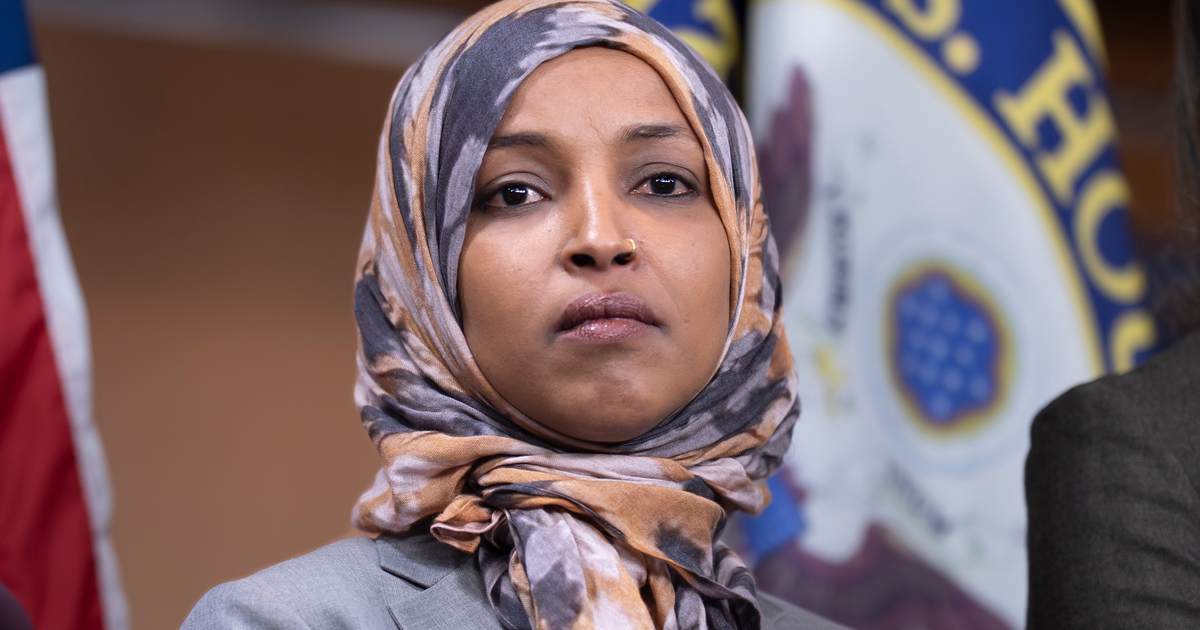
Federal Raid Targets Omar Amid Unresolved Name and Marriage Allegations
Agents searched Rep. Ilhan Omar's DC residence over immigration fraud allegations; she called it bizarre. Reports and commentary questioned her birth name and past marriage details.

Supreme Court Upholds New Hampshire Student ID Voting Ban
The Supreme Court upheld New Hampshire's ban on student IDs as valid voter identification just before midterms, affecting a tight Senate race.
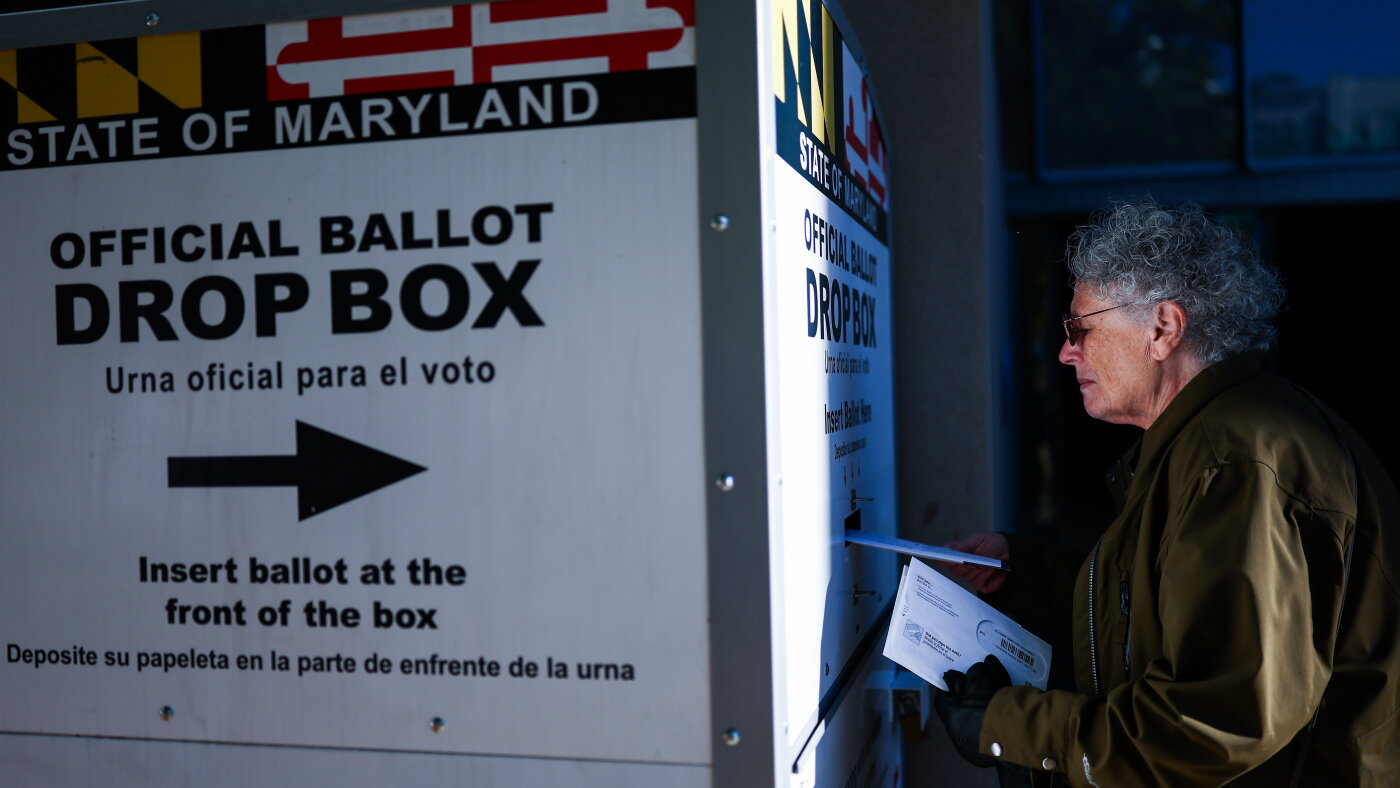
Early Voting Hits 21 Million as Most Trust Midterm Accuracy
Millions have already voted early as parties make final appeals amid $1.4 billion in ad spending; polls show confidence in election accuracy.
The Compass
You just read five takes on one story.
What's your take? Find your political shape in a few minutes.
Take the test