
Supreme Court Clears Alabama GOP Map With One Black-Majority District
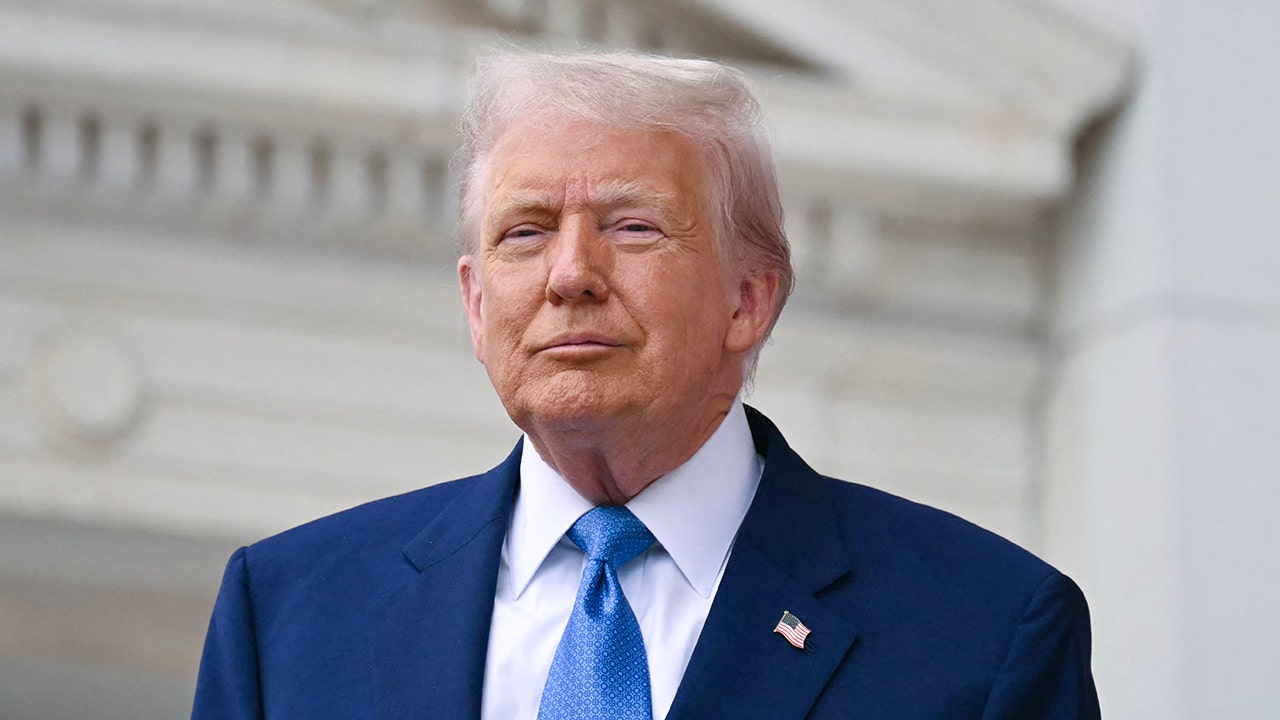
Cover image from foxnews.com, which was analyzed for this article
The Court allowed a Republican-drawn map with only one majority-Black district, narrowing Voting Rights Act precedents ahead of midterms. Black voting power faces reduction in the state.
PoliticalOS
Wednesday, June 3, 2026 — Politics
The Court applied its recent narrowing of Voting Rights Act remedies to let Alabama’s legislature-drawn map stand for the midterms, leaving the ultimate constitutionality of the single majority-Black district for further lower-court proceedings under the new precedent.
What outlets missed
Most coverage omitted the per curiam opinion’s explicit reliance on the presumption of legislative good faith and its direct citation to Alexander and Abbott. Few explained that the district court’s intentional-discrimination finding rested in part on Alabama’s decision not to comply with a remedial order the Supreme Court had already vacated. The procedural posture—an emergency application decided without full briefing or argument—was also under-emphasized relative to the substantive Voting Rights Act implications.
Supreme Court Allows Alabama Congressional Map to Stand
The Supreme Court on Tuesday cleared Alabama to use its 2023 congressional district map in the coming elections, granting the state's emergency request after lower courts had blocked it. The 6-3 order permits a plan with one majority-Black district out of seven, rejecting claims that the legislature acted with discriminatory intent. The three liberal justices dissented.
The decision follows months of litigation over Alabama's redistricting after the 2020 census. State lawmakers drew lines that preserved a single district where Black voters form a majority, consistent with long-standing boundaries. A three-judge federal panel had twice tried to impose an alternative map creating two such districts, citing the Voting Rights Act. That panel treated the state's refusal to adopt the court-drawn lines as evidence of racial animus.
The Supreme Court found this reasoning flawed. It noted that the district court failed to apply the presumption of legislative good faith required in redistricting disputes. Alabama had challenged an earlier remedial order that the high court itself vacated last month. Treating noncompliance with a now-void order as proof of bad intent, the justices observed, turns normal legal disagreement into a constitutional violation. This approach would effectively give inferior courts final say over electoral arrangements until every appeal is exhausted.
Alabama Republicans argued the contested map complies with the Constitution's demand for equal treatment regardless of race. They pointed out that Black voters remain able to elect candidates of choice in one district and retain influence in others through coalition voting. The state maintained that forcing additional race-based districts would require subordinating traditional redistricting criteria such as compactness and respect for county lines.
The ruling arrives weeks before special primary elections, allowing the state to proceed without further delay. Governor Kay Ivey had already extended filing deadlines in anticipation of the decision. Legal observers expect the case to return to lower courts for fuller review of the underlying Voting Rights Act claims, but the immediate effect restores the legislature's map.
Critics of expansive judicial intervention in districting note that repeated attempts to engineer racial outcomes often produce maps less responsive to actual population patterns and voter behavior. Alabama's legislature, elected by the state's citizens, bears primary responsibility for drawing lines that balance competing interests without explicit racial targets. The Supreme Court's order reinforces that elected bodies retain authority unless clear evidence shows they crossed constitutional lines.
The dispute reflects ongoing national arguments over how the Voting Rights Act should apply decades after its passage. Claims of vote dilution frequently rest on assumptions that racial groups must achieve proportional representation in every jurisdiction. Alabama's experience suggests that such expectations can clash with the statute's text and with demographic realities that do not neatly align with desired electoral results. The high court's willingness to scrutinize lower-court findings of intent may limit further expansion of race-conscious remedies in future cases.
You just read Conservative's take. Want to read what actually happened?
More in Politics

Trump Defends Ramaswamy Ad Using Estranged Mother in Ohio Race
President Trump defended a GOP nominee's ad featuring a Democratic opponent's estranged mother, calling it powerful, while drawing criticism from some Republicans including Ohio Gov. Mike DeWine. The ad has sparked internal GOP tensions ahead of midterms.
Federal Raid Targets Omar Amid Unresolved Name and Marriage Allegations
Agents searched Rep. Ilhan Omar's DC residence over immigration fraud allegations; she called it bizarre. Reports and commentary questioned her birth name and past marriage details.

Supreme Court Upholds New Hampshire Student ID Voting Ban
The Supreme Court upheld New Hampshire's ban on student IDs as valid voter identification just before midterms, affecting a tight Senate race.
Early Voting Hits 21 Million as Most Trust Midterm Accuracy
Millions have already voted early as parties make final appeals amid $1.4 billion in ad spending; polls show confidence in election accuracy.
The Compass
You just read five takes on one story.
What's your take? Find your political shape in a few minutes.
Take the test