
Supreme Court Voting Rights Ruling Fuels Redistricting Fights and Reform Debate

Cover image from chicago.suntimes.com, which was analyzed for this article
Recent Supreme Court decisions have reshaped the competitive landscape for 2026 midterms by limiting Voting Rights Act tools. Analysts across the spectrum debate implications for redistricting and court expansion calls.
PoliticalOS
Monday, June 1, 2026 — Politics
The Supreme Court’s interpretation of Section 2 and the Equal Protection Clause in Callais has tightened constraints on race-based districting, directly affecting how states will draw maps for 2026. This legal shift, rather than any single narrative of institutional conflict, determines the practical stakes for voting-rights litigation and midterm competition.
What outlets missed
The outlets did not detail the Equal Protection Clause reasoning or precedents such as Shaw v. Reno and Miller v. Johnson that formed the doctrinal basis for the Callais holding. They omitted data on the volume of shadow-docket applications filed by the administration or the specific legal standards applied to stays of nationwide injunctions. No coverage addressed the historical frequency of Court-size changes or the procedural distinction between emergency orders and merits rulings. Competing arguments from states defending maps on non-racial grounds also went unmentioned.
Supreme Court Balances Executive Actions in Ongoing Term
The Supreme Court approaches the end of its term with roughly two dozen cases remaining, many touching on executive authority, immigration enforcement, and voting procedures. Recent commentary from legal observers has framed occasional procedural rulings as evidence of a coordinated effort to expand presidential power, yet the record shows a pattern of incremental decisions that test statutory boundaries rather than rewrite constitutional structure.
Chief Justice John Roberts has presided over a court that has issued emergency orders on funding disputes, personnel changes, and border policies. These shadow docket actions have drawn criticism for speed and brevity, but they follow precedents established across multiple administrations where lower courts issued nationwide injunctions. Data from prior terms indicate that such orders often preserve the status quo pending full review rather than grant permanent victories to any single branch.
Analyses highlighting restrictions on the Voting Rights Act focus on the recent Louisiana v. Callais decision, which narrowed Section 2 applications in certain redistricting challenges. The ruling aligns with earlier holdings that emphasized equal treatment under law over race-based districting formulas. Historical voting data from states adjusting maps after similar decisions show turnout rates among minority voters remaining stable or rising in subsequent cycles, suggesting that mechanical assumptions about dilution do not always match observed participation.
Broader claims portray the court as systematically transferring authority to the executive. Records from the first year of the current administration reveal multiple instances where emergency applications were denied or conditioned on narrower grounds. Immigration enforcement pauses and agency staffing adjustments have encountered both approvals and limits, reflecting case-by-case evaluation of administrative law rather than blanket deference.
Media accounts often emphasize narrative tension between the chief justice and the executive branch. Court filings and oral argument transcripts instead document consistent attention to separation of powers questions that predate recent leadership. Decisions on presidential immunity and agency rulemaking trace to statutory text and historical practice, limiting judicial invention in areas previously expanded through regulatory interpretation.
Proposals for structural changes to the court, such as adding seats, rest on the premise that recent outcomes represent an imbalance. Empirical reviews of confirmation timelines and case volume across decades indicate that ideological composition fluctuates with electoral results, a feature built into the constitutional design. Legislative overrides remain available for statutory matters, though Congress has exercised that option selectively.
Observers tracking the remaining docket note potential rulings on birthright citizenship claims and federal spending authority. These cases will likely turn on specific provisions of existing statutes and constitutional text rather than abstract institutional rivalries. The court's pace suggests measured resolution ahead of the summer recess, consistent with its historical practice of addressing high-stakes disputes through full opinions when time permits.
You just read Conservative's take. Want to read what actually happened?
More in Politics

Trump Defends Ramaswamy Ad Using Estranged Mother in Ohio Race
President Trump defended a GOP nominee's ad featuring a Democratic opponent's estranged mother, calling it powerful, while drawing criticism from some Republicans including Ohio Gov. Mike DeWine. The ad has sparked internal GOP tensions ahead of midterms.
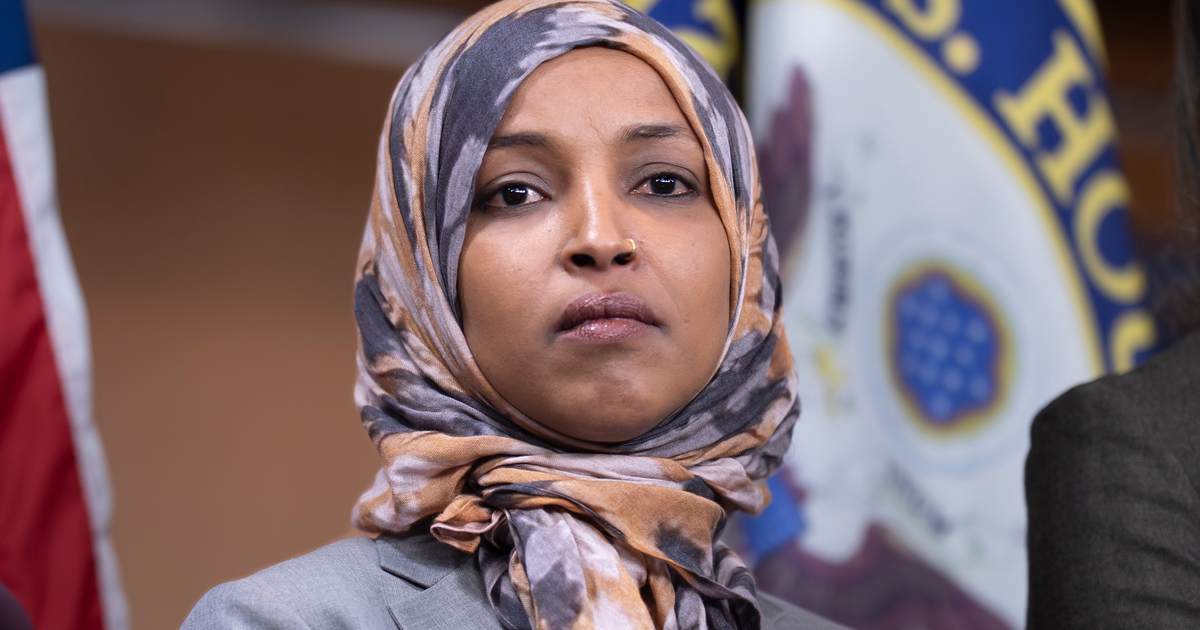
Federal Raid Targets Omar Amid Unresolved Name and Marriage Allegations
Agents searched Rep. Ilhan Omar's DC residence over immigration fraud allegations; she called it bizarre. Reports and commentary questioned her birth name and past marriage details.

Supreme Court Upholds New Hampshire Student ID Voting Ban
The Supreme Court upheld New Hampshire's ban on student IDs as valid voter identification just before midterms, affecting a tight Senate race.
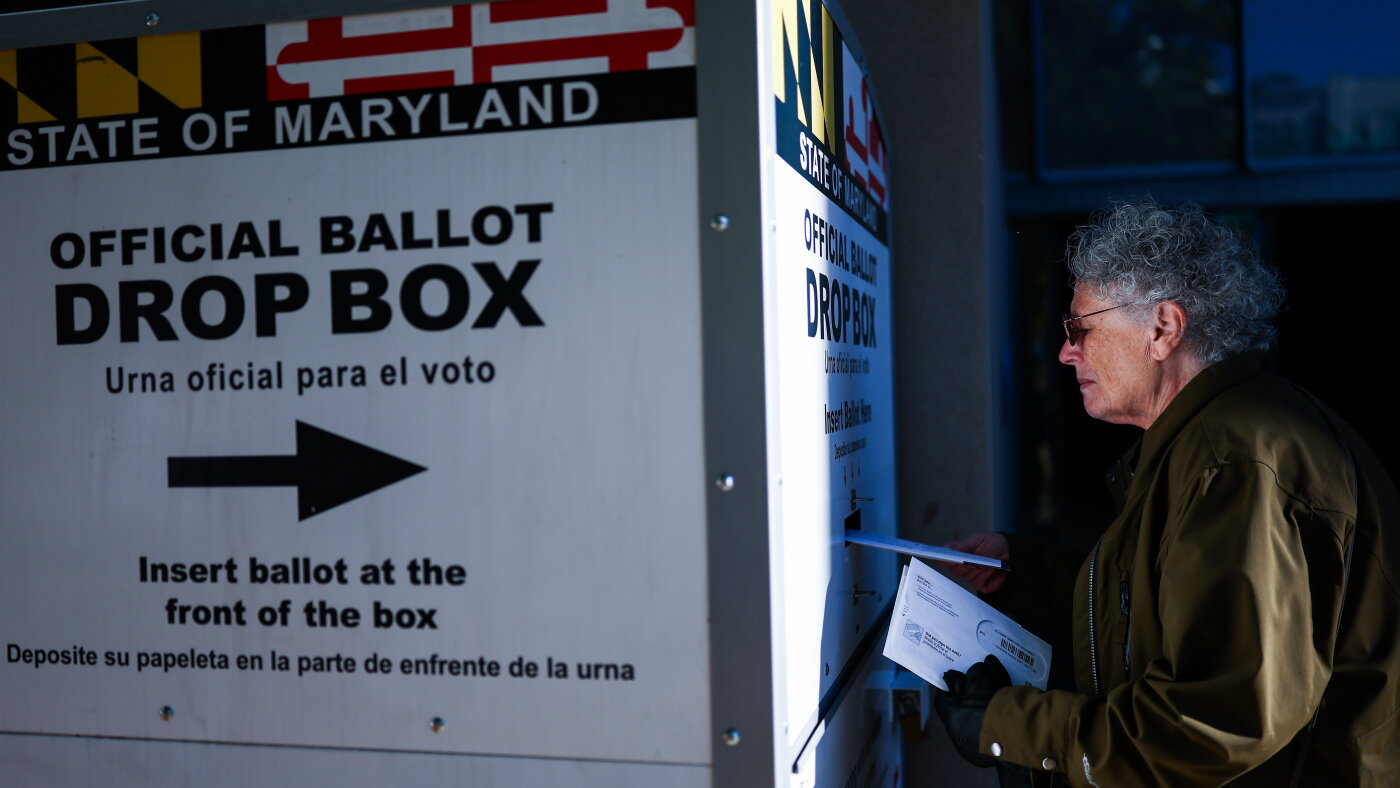
Early Voting Hits 21 Million as Most Trust Midterm Accuracy
Millions have already voted early as parties make final appeals amid $1.4 billion in ad spending; polls show confidence in election accuracy.
The Compass
You just read five takes on one story.
What's your take? Find your political shape in a few minutes.
Take the test