
Supreme Court Voting Rights Ruling Fuels Redistricting Fights and Reform Debate

Cover image from chicago.suntimes.com, which was analyzed for this article
Recent Supreme Court decisions have reshaped the competitive landscape for 2026 midterms by limiting Voting Rights Act tools. Analysts across the spectrum debate implications for redistricting and court expansion calls.
PoliticalOS
Monday, June 1, 2026 — Politics
The Supreme Court’s interpretation of Section 2 and the Equal Protection Clause in Callais has tightened constraints on race-based districting, directly affecting how states will draw maps for 2026. This legal shift, rather than any single narrative of institutional conflict, determines the practical stakes for voting-rights litigation and midterm competition.
What outlets missed
The outlets did not detail the Equal Protection Clause reasoning or precedents such as Shaw v. Reno and Miller v. Johnson that formed the doctrinal basis for the Callais holding. They omitted data on the volume of shadow-docket applications filed by the administration or the specific legal standards applied to stays of nationwide injunctions. No coverage addressed the historical frequency of Court-size changes or the procedural distinction between emergency orders and merits rulings. Competing arguments from states defending maps on non-racial grounds also went unmentioned.
Supreme Court Enables Trump to Dismantle Administrative Overreach
The narrative of a brewing feud between Chief Justice John Roberts and President Donald Trump has dominated recent coverage, but it serves mainly as a distraction from the court's actual record of clearing obstacles to executive action. Legal observers note that the justices have used emergency rulings and procedural decisions to let Trump move forward on priorities like controlling federal spending, removing entrenched officials, and tightening immigration enforcement.
These shadow docket orders, issued without full briefing or argument, have accumulated over the past year. They effectively neutralized lower court blocks that previously stalled similar efforts. Analysts tracking the docket describe the pattern as a systematic reduction of judicial interference in areas long dominated by career bureaucrats and agency rules. Trump administration officials have pointed to these developments as necessary to restore accountability after years of resistance from within the federal apparatus.
The focus on occasional public tensions between the court and the White House overlooks how aligned the outcomes have been with longstanding conservative critiques of unchecked administrative power. Past administrations expanded agency authority through regulatory fiat, often bypassing Congress. The current term's procedural moves have begun reversing that trend by allowing elected leadership greater latitude to set priorities and personnel.
Separate rulings have also narrowed interpretations of the Voting Rights Act, limiting its use in challenging district lines. Critics on the left frame this as an attack on minority protections, yet supporters argue the decisions prevent courts from imposing racial quotas on electoral maps. This shift aligns with repeated concerns that expansive readings of the statute turned judges into ongoing overseers of state redistricting, a role never intended by the original law.
Taken together, the court's actions reflect a broader recalibration away from reflexive deference to federal agencies and advocacy-driven lawsuits. Trump has long argued that such deference entrenched policies disconnected from voter mandates on borders, spending, and cultural issues. The emergency docket has provided a practical mechanism for testing those arguments without waiting through years of litigation.
Media emphasis on manufactured drama between Roberts and Trump fits a familiar pattern of portraying institutional pushback as heroic resistance. In reality, the record shows incremental steps toward reasserting political control over a government structure that grew largely independent of elections. Whether this trend continues will depend on how remaining cases on executive authority and regulatory scope are resolved before the summer recess.
You just read America First's take. Want to read what actually happened?
More in Politics

Trump Defends Ramaswamy Ad Using Estranged Mother in Ohio Race
President Trump defended a GOP nominee's ad featuring a Democratic opponent's estranged mother, calling it powerful, while drawing criticism from some Republicans including Ohio Gov. Mike DeWine. The ad has sparked internal GOP tensions ahead of midterms.
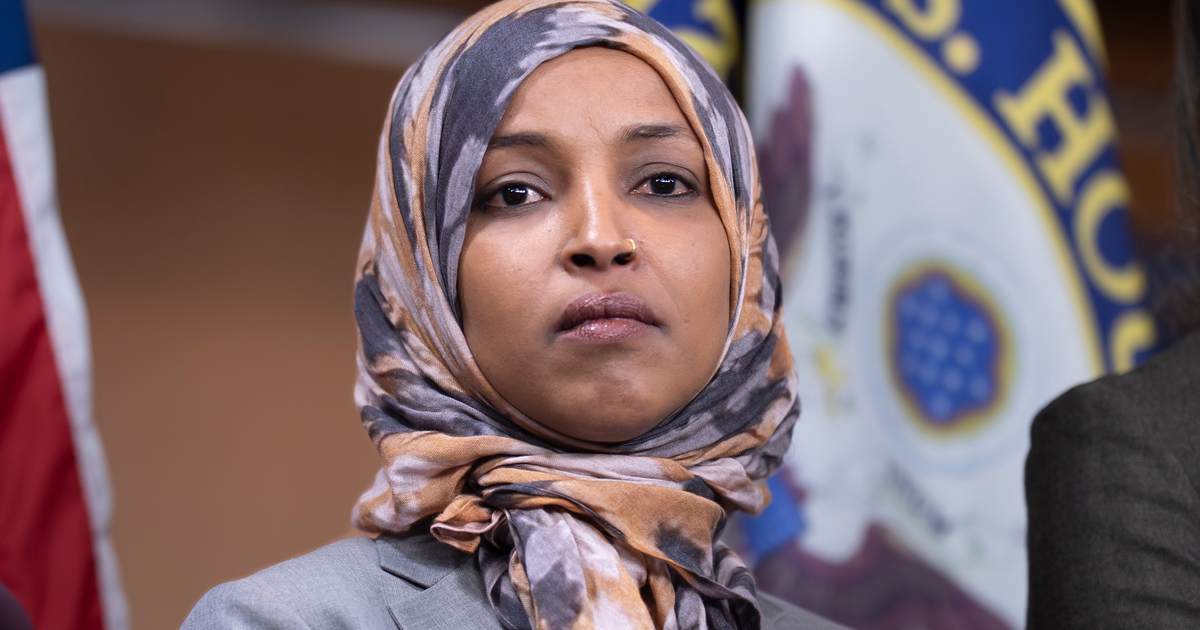
Federal Raid Targets Omar Amid Unresolved Name and Marriage Allegations
Agents searched Rep. Ilhan Omar's DC residence over immigration fraud allegations; she called it bizarre. Reports and commentary questioned her birth name and past marriage details.

Supreme Court Upholds New Hampshire Student ID Voting Ban
The Supreme Court upheld New Hampshire's ban on student IDs as valid voter identification just before midterms, affecting a tight Senate race.
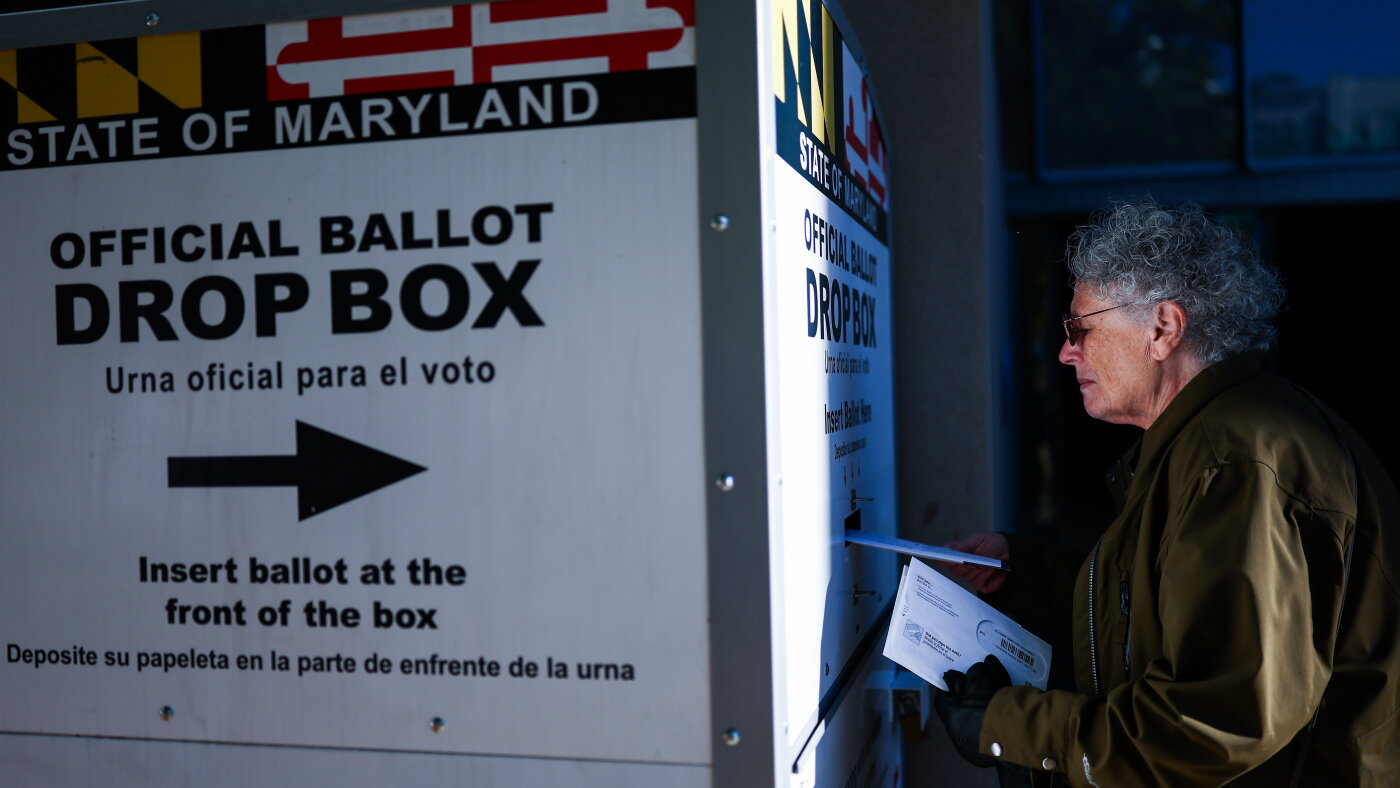
Early Voting Hits 21 Million as Most Trust Midterm Accuracy
Millions have already voted early as parties make final appeals amid $1.4 billion in ad spending; polls show confidence in election accuracy.
The Compass
You just read five takes on one story.
What's your take? Find your political shape in a few minutes.
Take the test