
Supreme Court Voting Rights Ruling Fuels Redistricting Fights and Reform Debate

Cover image from chicago.suntimes.com, which was analyzed for this article
Recent Supreme Court decisions have reshaped the competitive landscape for 2026 midterms by limiting Voting Rights Act tools. Analysts across the spectrum debate implications for redistricting and court expansion calls.
PoliticalOS
Monday, June 1, 2026 — Politics
The Supreme Court’s interpretation of Section 2 and the Equal Protection Clause in Callais has tightened constraints on race-based districting, directly affecting how states will draw maps for 2026. This legal shift, rather than any single narrative of institutional conflict, determines the practical stakes for voting-rights litigation and midterm competition.
What outlets missed
The outlets did not detail the Equal Protection Clause reasoning or precedents such as Shaw v. Reno and Miller v. Johnson that formed the doctrinal basis for the Callais holding. They omitted data on the volume of shadow-docket applications filed by the administration or the specific legal standards applied to stays of nationwide injunctions. No coverage addressed the historical frequency of Court-size changes or the procedural distinction between emergency orders and merits rulings. Competing arguments from states defending maps on non-racial grounds also went unmentioned.
Supreme Court Actions Quietly Solidify Trump’s Grip on Federal Power
The Supreme Court is racing toward the end of its term with roughly two dozen decisions still pending, many of which will shape the boundaries of executive authority, voting access, and federal regulatory power. While public attention has often centered on occasional friction between Chief Justice John Roberts and President Donald Trump, legal observers note that the court’s conservative majority has already used expedited procedures to advance significant structural changes in how government functions operate.
These moves have come largely through the shadow docket, a set of emergency orders issued without full briefing or oral argument. Over the past year, such rulings have allowed the administration to proceed with plans to withhold appropriated funds, remove officials from independent agencies, and alter immigration enforcement practices that previously faced judicial blocks. Analysts at Slate described the pattern as largely completing the transfer of day-to-day control over the executive branch, reducing the need for further emergency interventions at this stage.
The effects extend beyond immediate policy disputes. In Louisiana v. Callais, the court narrowed the application of Section 2 of the Voting Rights Act, limiting the kinds of districting claims that can succeed in challenging maps that dilute minority voting strength. Combined with earlier decisions that struck down the coverage formula for preclearance and narrowed other statutory protections, the statute now provides narrower grounds for litigants seeking to address racial disparities in electoral systems. States drawing new maps may face fewer constraints when lines produce outcomes that consistently disadvantage certain groups.
Similar shifts appear across other domains. Rulings eliminating constitutional protections for abortion access, expanding immunity for presidential actions, and curtailing agency authority on issues such as environmental regulation have collectively moved decision-making power away from Congress and administrative bodies and toward the judiciary and the executive. These outcomes were produced by the same 6-3 majority in most instances, creating a coherent reallocation of institutional authority rather than isolated case results.
The timing of the remaining opinions matters because several pending matters test the limits of presidential power directly, including questions of birthright citizenship and the scope of executive discretion in enforcement. Roberts has at times authored or joined opinions that impose procedural checks on rapid executive action, yet the overall trajectory of the docket has aligned with expanded latitude for the current administration. The result is a court that continues to resolve high-stakes disputes even as it signals that the foundational work of reshaping federal operations is largely finished.
Reform proposals such as expanding the size of the court or altering jurisdiction have gained renewed discussion in response, though legislative majorities required for such changes remain elusive. The court’s summer recess will arrive with many of these structural questions still open for future terms.
You just read Liberal's take. Want to read what actually happened?
More in Politics
Trump at 32% Approval as Gas Prices Test GOP Midterm Hopes
NYT/Siena polling showed Trump's approval at historic lows around 32 percent with Democrats leading by double digits in key districts. Early voting has surged in battleground states.

Record Early Voting Hits Battlegrounds, Shifting Partisan Shares
AP analysis found hundreds of thousands more early ballots than in 2022 in states including Texas, Ohio, Kansas, Maine, and North Carolina, shifting partisan dynamics.
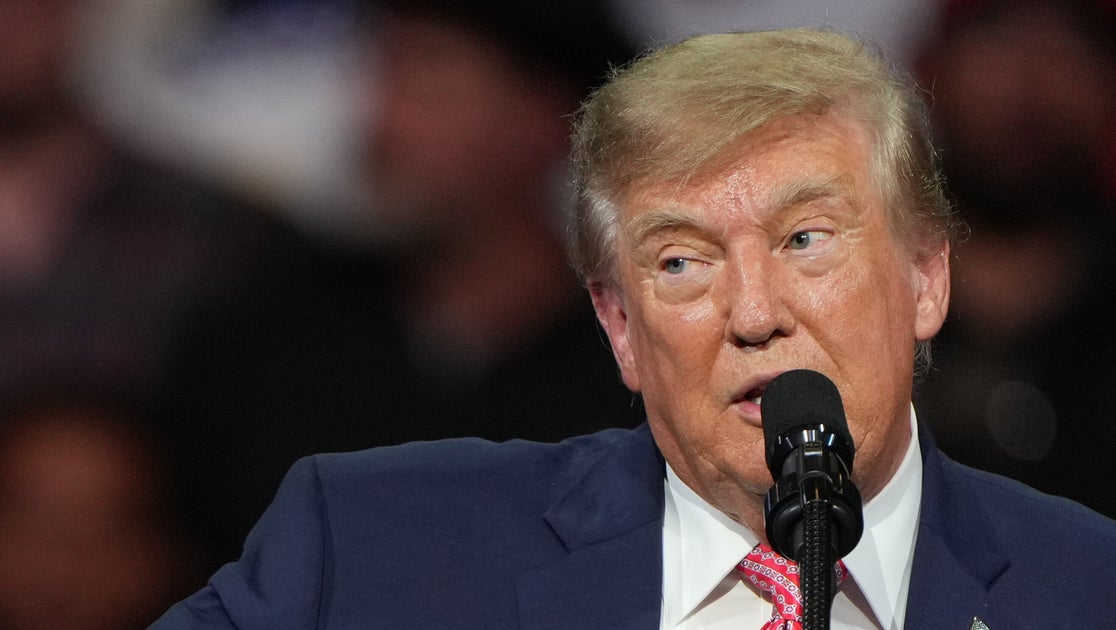
Trump Backs Marshall in Kansas Senate Race Tightened by Farm Costs
President Trump rallied in deep-red Kansas for GOP Sen. Roger Marshall in a competitive race, announcing an $8 billion farm fuel relief program amid high diesel prices. Democrats see an opening to end 94 years of GOP dominance in the state.

Trump Pauses Russia Sanctions Amid Ukraine Tensions and Missile Strikes
Trump waived sanctions on Russia and floated trilateral talks with Putin and Xi as part of ending the Ukraine war, while tensions rose with Zelenskyy over Starlink and arms. Bipartisan senators engaged Zelenskyy amid the shifts.
The Compass
You just read five takes on one story.
What's your take? Find your political shape in a few minutes.
Take the test