
Supreme Court Rulings Set to Influence 2026 Midterm Maps
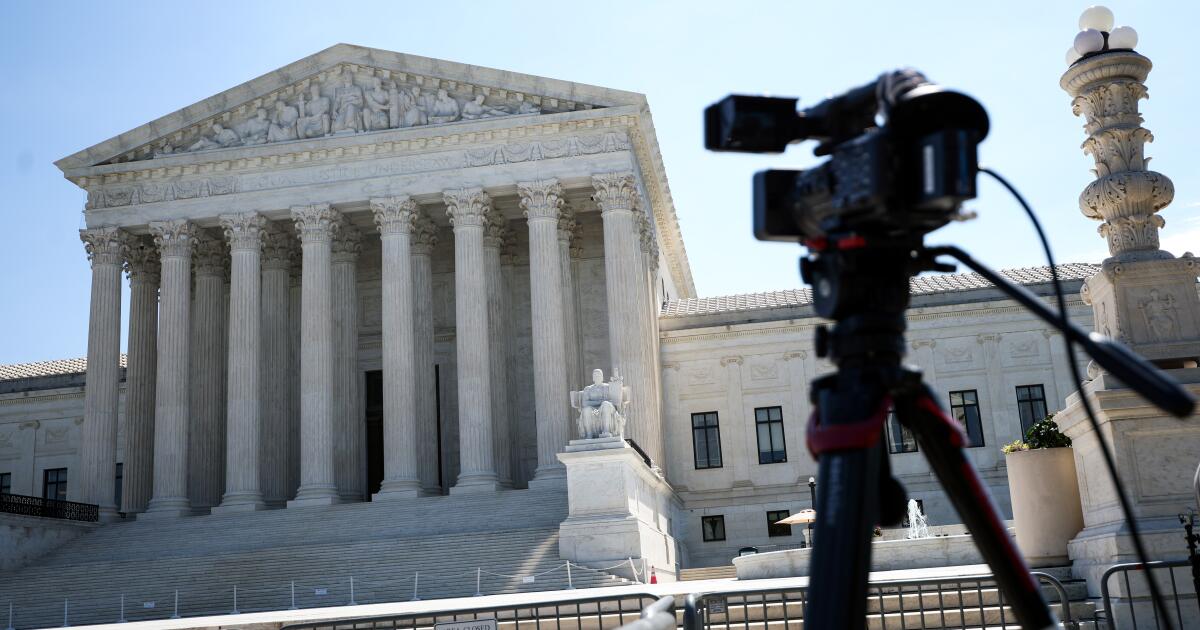
Cover image from latimes.com, which was analyzed for this article
The Supreme Court is set to decide major cases in June that could significantly impact the 2026 midterm elections and voting rights enforcement.
PoliticalOS
Sunday, May 31, 2026 — Politics
The June decisions on coordinated party spending and mail-ballot receipt deadlines carry the clearest potential to shift resources and turnout mechanics for the 2026 midterms. Earlier redistricting changes already favor Republican map-drawing in multiple states. Readers should track whether the court applies the Purcell principle to keep current voting rules in place through November.
What outlets missed
Neither outlet supplied Federal Election Commission data confirming or correcting the $251 million Republican cash figure. The Louisiana Voting Rights Act decision’s precise statutory holding received only summary treatment. No outlet examined whether the Purcell principle would actually shield the Mississippi mail-ballot rule from immediate change. The Temporary Protected Status case and independent-agency removal disputes were omitted from midterm-impact analysis despite their potential to affect voter rolls and regulatory continuity.
Supreme Court Poised to Aid Republicans in Midterm Battles
The Supreme Court enters its final month of the term with a docket that could tilt the November midterms further toward Republicans. With a 6-3 conservative majority already delivering wins on redistricting, the justices are expected to rule soon on cases involving mail ballots and campaign spending that directly affect how elections are conducted.
In a Mississippi case, Republican officials are challenging state rules that count mail ballots postmarked by Election Day but arriving later. President Trump has repeatedly highlighted concerns over mail voting security, noting that Democrats rely on it more heavily. While documented fraud remains uncommon, the push to tighten deadlines aligns with longstanding efforts to ensure votes are cast and verified on time. A ruling against late arrivals would standardize practices in states where such ballots have swayed close races.
A separate challenge tied to Vice President JD Vance targets limits on coordinated spending between party committees and candidates. Supporters argue these restrictions infringe on First Amendment speech rights, building on the court's Citizens United precedent from 2010. If the justices side with Republicans here, party organizations would gain flexibility to support nominees more aggressively ahead of the contests for House and Senate control.
These potential outcomes follow an April decision in a Louisiana redistricting dispute where the conservative bloc struck down a district drawn to favor a Black Democrat. That ruling has already shifted several maps toward the GOP, with bigger effects likely in the 2028 and 2030 cycles when new lines are drawn nationwide.
Other pending matters include challenges to birthright citizenship under the 14th Amendment, gun rights questions, rules for transgender athletes in school sports, and the scope of presidential authority over independent agencies. The court rejected Trump's broad tariff plan earlier this year and appears likely to block his executive attempt to narrow citizenship for children of noncitizens, consistent with the 1898 Wong Kim Ark precedent and later statutes. Yet the overall term has favored conservative priorities on election mechanics.
Republicans hold narrow majorities in both chambers and face Democratic efforts to flip one or both in November. Any Democratic gains could stall the president's agenda and trigger oversight hearings. Rulings expected by late June on the ballot and spending cases may help lock in advantages for the current majority by clarifying rules before voters head to the polls. The court's direction reflects a steady move away from expansive interpretations that have expanded federal and state election flexibility in recent decades.
You just read America First's take. Want to read what actually happened?
More in Politics

Trump Defends Ramaswamy Ad Using Estranged Mother in Ohio Race
President Trump defended a GOP nominee's ad featuring a Democratic opponent's estranged mother, calling it powerful, while drawing criticism from some Republicans including Ohio Gov. Mike DeWine. The ad has sparked internal GOP tensions ahead of midterms.
Federal Raid Targets Omar Amid Unresolved Name and Marriage Allegations
Agents searched Rep. Ilhan Omar's DC residence over immigration fraud allegations; she called it bizarre. Reports and commentary questioned her birth name and past marriage details.

Supreme Court Upholds New Hampshire Student ID Voting Ban
The Supreme Court upheld New Hampshire's ban on student IDs as valid voter identification just before midterms, affecting a tight Senate race.
Early Voting Hits 21 Million as Most Trust Midterm Accuracy
Millions have already voted early as parties make final appeals amid $1.4 billion in ad spending; polls show confidence in election accuracy.
The Compass
You just read five takes on one story.
What's your take? Find your political shape in a few minutes.
Take the test