
Supreme Court Rulings Set to Influence 2026 Midterm Maps
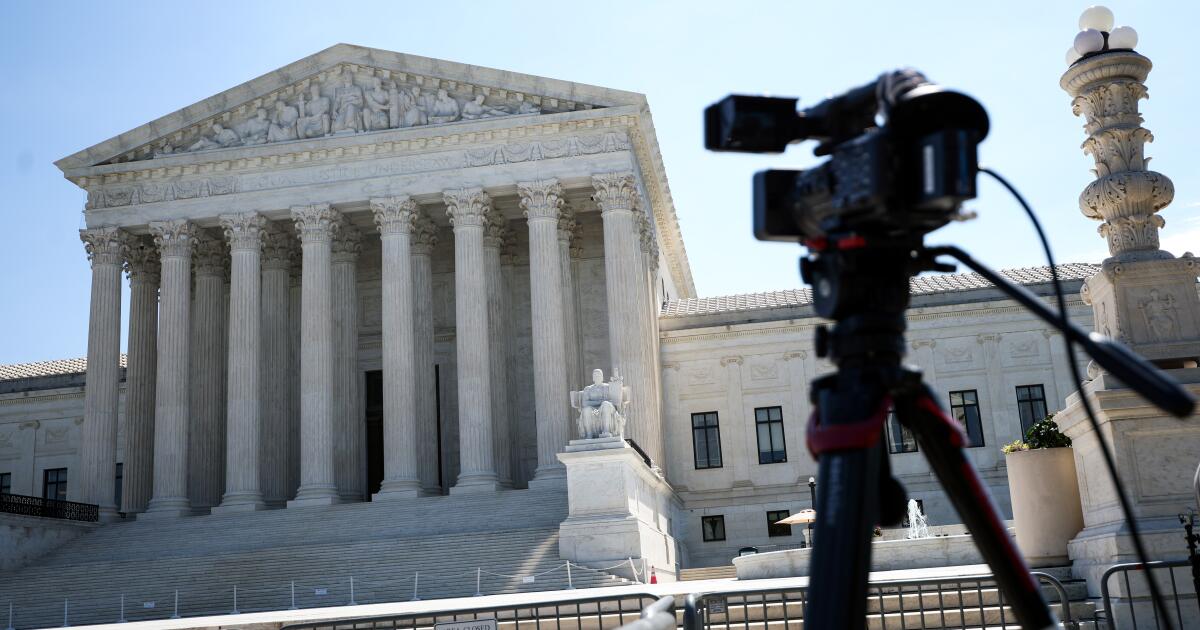
Cover image from latimes.com, which was analyzed for this article
The Supreme Court is set to decide major cases in June that could significantly impact the 2026 midterm elections and voting rights enforcement.
PoliticalOS
Sunday, May 31, 2026 — Politics
The June decisions on coordinated party spending and mail-ballot receipt deadlines carry the clearest potential to shift resources and turnout mechanics for the 2026 midterms. Earlier redistricting changes already favor Republican map-drawing in multiple states. Readers should track whether the court applies the Purcell principle to keep current voting rules in place through November.
What outlets missed
Neither outlet supplied Federal Election Commission data confirming or correcting the $251 million Republican cash figure. The Louisiana Voting Rights Act decision’s precise statutory holding received only summary treatment. No outlet examined whether the Purcell principle would actually shield the Mississippi mail-ballot rule from immediate change. The Temporary Protected Status case and independent-agency removal disputes were omitted from midterm-impact analysis despite their potential to affect voter rolls and regulatory continuity.
Supreme Court Conservative Majority Poised to Boost Republicans Ahead of Midterms
The Supreme Court is set to issue rulings in the coming weeks on two election-related cases that could further tilt the political landscape in favor of President Donald Trump and Republican candidates ahead of the November midterms. With a 6-3 conservative majority, the justices are expected to decide matters involving mail ballots and coordinated campaign spending that Republicans have long sought to reshape.
In a Mississippi case, Republican Party officials are asking the court to invalidate state rules that count mail ballots postmarked by Election Day even if they arrive later. Such provisions have been in place in various forms across states, and Trump has repeatedly questioned the integrity of mail voting despite scant evidence of widespread fraud. Democratic voters have relied on mail ballots at higher rates than Republicans in recent elections, making the potential change a point of contention for voting access advocates.
A separate case tied to Vice President JD Vance centers on limits for spending coordinated between party organizations and candidates. Republicans contend these restrictions infringe on First Amendment speech protections, building on the court's 2010 Citizens United decision that opened the door to greater outside money in politics. A ruling in their favor would allow party committees to raise and spend more freely to support candidates.
These decisions come after an April ruling in a Louisiana redistricting dispute where the conservative justices struck down a congressional map designed to favor a Black Democrat. That outcome has already shifted several districts toward Republicans and is projected to deliver lasting advantages for the party in the 2028 and 2030 election cycles as maps are redrawn.
Republicans currently hold narrow majorities in both the House and Senate. Any Democratic gains in November could slow Trump's agenda and trigger oversight hearings targeting his administration. The court has already delivered one setback to the president this term by rejecting his broad tariff plan in February, and it appears likely to block his executive order attempt to alter birthright citizenship rules under the 14th Amendment. That amendment states all persons born in the United States and subject to its jurisdiction are citizens, a principle upheld by the court in 1898 and later codified by Congress.
The term also includes pending matters on gun rights, participation of transgender athletes in school sports, and the scope of presidential authority over independent agencies. While the court has moved some major decisions earlier than the typical late-June rush, the election-related cases remain among the most closely watched for their immediate political effects. Critics of the conservative bloc argue the pattern of rulings risks entrenching one party's structural advantages in future contests.
You just read Progressive's take. Want to read what actually happened?
More in Politics
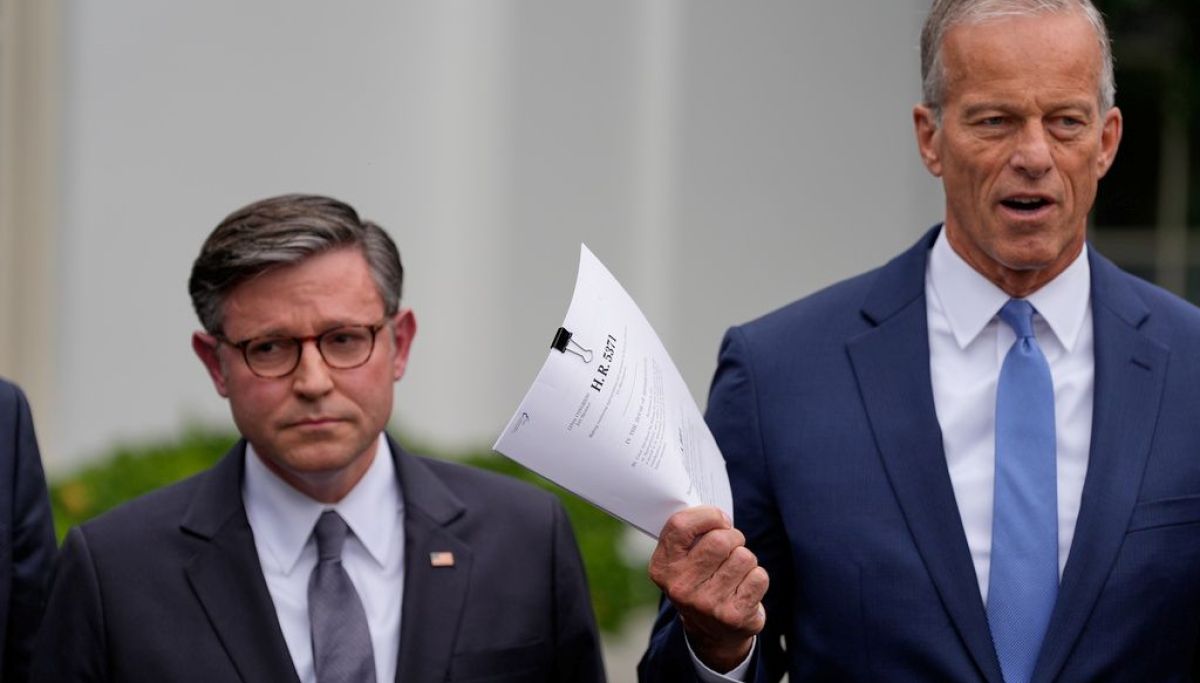
Trump at 32% Approval as Gas Prices Test GOP Midterm Hopes
NYT/Siena polling showed Trump's approval at historic lows around 32 percent with Democrats leading by double digits in key districts. Early voting has surged in battleground states.

Record Early Voting Hits Battlegrounds, Shifting Partisan Shares
AP analysis found hundreds of thousands more early ballots than in 2022 in states including Texas, Ohio, Kansas, Maine, and North Carolina, shifting partisan dynamics.
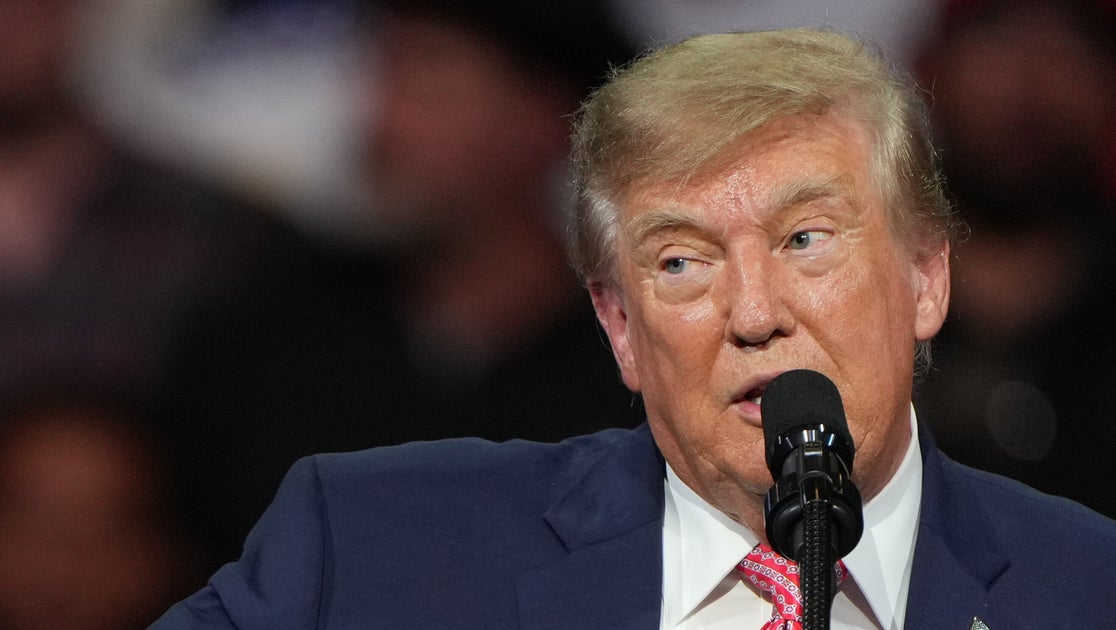
Trump Backs Marshall in Kansas Senate Race Tightened by Farm Costs
President Trump rallied in deep-red Kansas for GOP Sen. Roger Marshall in a competitive race, announcing an $8 billion farm fuel relief program amid high diesel prices. Democrats see an opening to end 94 years of GOP dominance in the state.

Trump Pauses Russia Sanctions Amid Ukraine Tensions and Missile Strikes
Trump waived sanctions on Russia and floated trilateral talks with Putin and Xi as part of ending the Ukraine war, while tensions rose with Zelenskyy over Starlink and arms. Bipartisan senators engaged Zelenskyy amid the shifts.
The Compass
You just read five takes on one story.
What's your take? Find your political shape in a few minutes.
Take the test