
Leaked 2016 Memos Expose Supreme Court Debate Over Blocking Obama Climate Rule

Cover image from reason.com, which was analyzed for this article
New revelations on the Supreme Court's use of shadow papers and secret memos highlight a risky shift in operations, with key excerpts sparking transparency concerns. Takeaways from these documents reveal internal processes amid ongoing cases. Historical rulings against informal censorship are cited in current debates.
PoliticalOS
Saturday, April 18, 2026 — Politics
Leaked 2016 memos show the Supreme Court granted an emergency stay of Obama's Clean Power Plan after abbreviated internal debate, an action later upheld on the merits in 2022 but criticized for lacking public reasoning. The episode intensified debate over the shadow docket's growth and secrecy, even as the same court has invoked precedents like Bantam Books v. Sullivan to limit informal government pressure on speech in other contexts. Readers should recognize that emergency procedures predated 2016, have been used by justices appointed by both parties, and reflect ongoing tension between timely intervention and transparent deliberation.
What outlets missed
Most coverage omitted that shadow-docket-style emergency stays existed well before 2016, including in voting rights cases from 2006, framing the Clean Power Plan episode as invention rather than escalation. The 2022 Supreme Court decision striking down the Clean Power Plan on major-questions grounds, which aligned with arguments in the Roberts and Alito memos, received little emphasis despite confirming the challengers' core claims about EPA authority. Coverage also underplayed bipartisan use of emergency docket procedures in the Trump, Biden and later administrations, including stays on immigration and vaccine mandates. On the Bantam Books precedent, nuance around modern jawboning cases was often lost; several cited examples, such as Murthy v. Missouri, ended in standing dismissals rather than definitive constitutional condemnations. Finally, concrete economic claims by the 27 challenging states and coal companies regarding plant closures and compliance costs were rarely detailed, though they were central to the stay requests.
Supreme Court Memos Reveal Early Effort to Check Executive Climate Rules
The New York Times has published confidential Supreme Court memos from February 2016 that show how the justices narrowly voted to block President Barack Obama’s Clean Power Plan before lower courts could fully examine it. The documents, spanning seven memos exchanged over five days, illustrate the origins of what critics now call the shadow docket, a process that allows the Court to issue major rulings on abbreviated timetables with little public explanation.
Chief Justice John Roberts, who handles emergency applications from the D.C. Circuit, set the pace. One memo stressed an “extraordinary need for speed” because the regulation was scheduled to impose sweeping changes on the nation’s electricity generation. The Clean Power Plan sought to restructure the energy sector through executive authority under the Environmental Protection Agency, directing states to shift away from coal-fired power plants toward renewables and efficiency measures. Opponents argued the agency was exceeding its statutory mandate and that the economic costs would be substantial and immediate.
By a 5-4 vote that split along ideological lines, the Court issued a stay. No opinion accompanied the order. The memos, which the Times obtained and authenticated, capture the justices wrestling with whether such an intervention departed from long-standing norms that favor full merits briefing and reasoned decisions. One justice warned that acting without a lower-court record risked appearing to short-circuit normal procedures. Others countered that the scale of the regulatory shift justified prompt action to prevent irreversible harm to power companies and the grid itself.
Legal scholars have described the episode as the birth of the modern shadow docket. What began as an emergency safety valve has since become routine in cases touching presidential authority on immigration, public health, elections, and environmental rules. The practice has drawn criticism from both ends of the political spectrum for reducing transparency. The Court’s own culture of secrecy has only deepened in recent years. Chief Justice Roberts has required nondisclosure agreements from court employees, a step that underscores institutional wariness of leaks but also limits outside scrutiny of how decisions are reached.
The 2016 debate occurred against a backdrop of expanding administrative power. Obama-era regulators frequently used executive action to pursue policy goals that had stalled in Congress. Supporters viewed the Clean Power Plan as an urgent response to climate risks. Skeptics saw it as an example of the administrative state stretching vague statutory language to remake entire industries, a pattern that concentrates authority in Washington and raises questions about accountability. The memos show the justices conscious that they were entering new territory yet persuaded that the threat of immediate disruption warranted the stay.
Subsequent events reinforced the pattern. Later shadow-docket orders addressed travel bans, eviction moratoria, vaccine mandates, and state election rules, often producing terse, unsigned rulings that frustrated observers across the ideological divide. Defenders argue these tools prevent bureaucracies from presenting the country with faits accomplis before judicial review can occur. Detractors say the abbreviated process sacrifices the deliberate reasoning that gives judicial decisions legitimacy and predictability.
The newly public memos do not resolve that debate, but they do illuminate the human element behind closed doors. Justices weighed comity with other branches, the limits of their own emergency powers, and the practical consequences of letting the regulation take effect during litigation that could last years. One memo noted the unprecedented nature of halting a program that had not yet been declared unlawful by any court. The 5-4 outcome reflected deep divisions over how aggressively the judiciary should police the boundaries of executive rulemaking.
For those concerned about the steady growth of federal regulatory reach, the 2016 stay represented a rare early check on an initiative projected to raise electricity costs for households and businesses while delivering uncertain environmental gains. The memos reveal that several justices viewed the plan as legally vulnerable and economically disruptive enough to justify immediate relief. At the same time, the lack of a written explanation left the public without a clear account of the Court’s legal reasoning, fueling complaints that important policy questions were being resolved in the dark.
The documents arrive at a moment when trust in institutions is low and the volume of emergency litigation remains high. They confirm that the shadow docket did not emerge from a grand design but from incremental steps taken under pressure. Justices who participated in the 2016 exchange could not have foreseen how frequently the Court would later be asked to intervene in fast-moving national controversies. Yet the pattern they set has become a permanent feature of contemporary constitutional litigation.
Whether one regards the Clean Power Plan as prudent environmental policy or regulatory overreach, the memos offer a concrete illustration of how the Supreme Court navigates clashes between executive ambition and legal constraints. They also underscore an enduring institutional tension: the need for timely action versus the value of transparent, deliberative judgment. As additional shadow-docket cases continue to shape national policy, these once-secret papers provide a useful, if partial, guide to how the justices arrived at their current practices. The public can now assess for itself whether the trade-offs have served the rule of law or merely traded one form of concentrated power for another.
You just read Conservative's take. Want to read what actually happened?
More in Politics

Trump Defends Ramaswamy Ad Using Estranged Mother in Ohio Race
President Trump defended a GOP nominee's ad featuring a Democratic opponent's estranged mother, calling it powerful, while drawing criticism from some Republicans including Ohio Gov. Mike DeWine. The ad has sparked internal GOP tensions ahead of midterms.
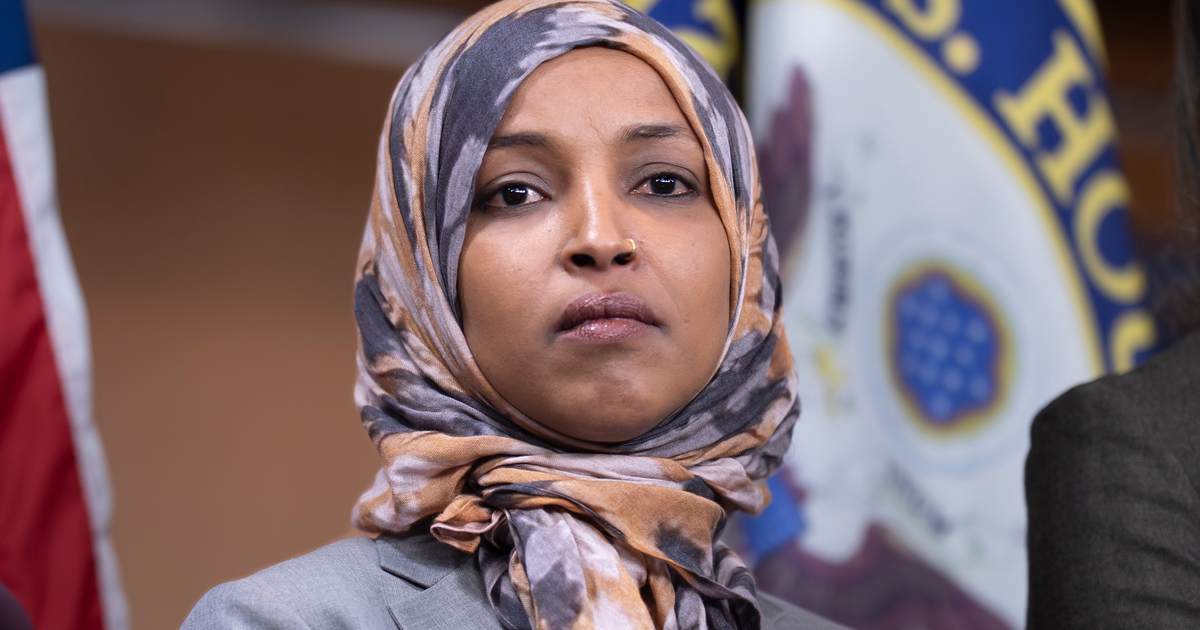
Federal Raid Targets Omar Amid Unresolved Name and Marriage Allegations
Agents searched Rep. Ilhan Omar's DC residence over immigration fraud allegations; she called it bizarre. Reports and commentary questioned her birth name and past marriage details.

Supreme Court Upholds New Hampshire Student ID Voting Ban
The Supreme Court upheld New Hampshire's ban on student IDs as valid voter identification just before midterms, affecting a tight Senate race.
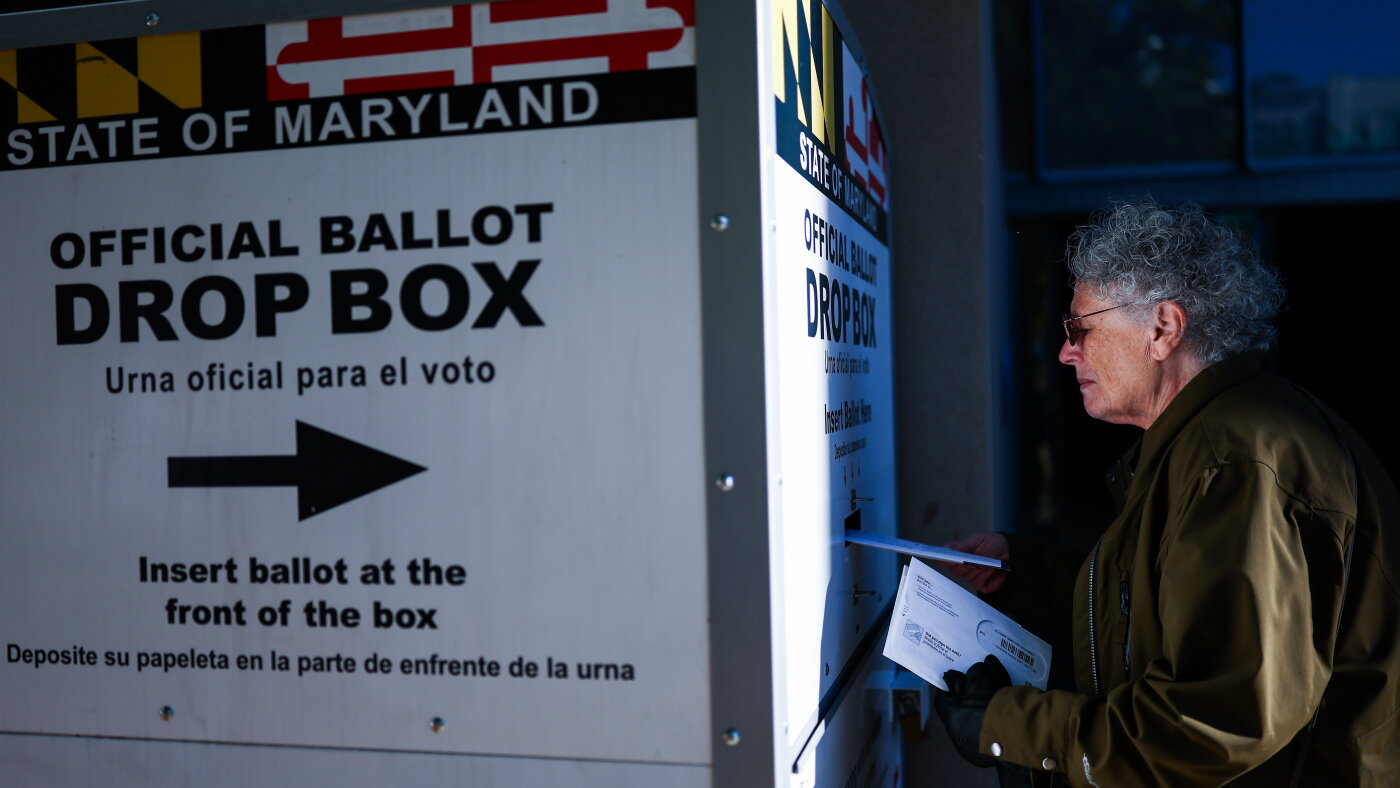
Early Voting Hits 21 Million as Most Trust Midterm Accuracy
Millions have already voted early as parties make final appeals amid $1.4 billion in ad spending; polls show confidence in election accuracy.
The Compass
You just read five takes on one story.
What's your take? Find your political shape in a few minutes.
Take the test