
Leaked 2016 Memos Expose Supreme Court Debate Over Blocking Obama Climate Rule
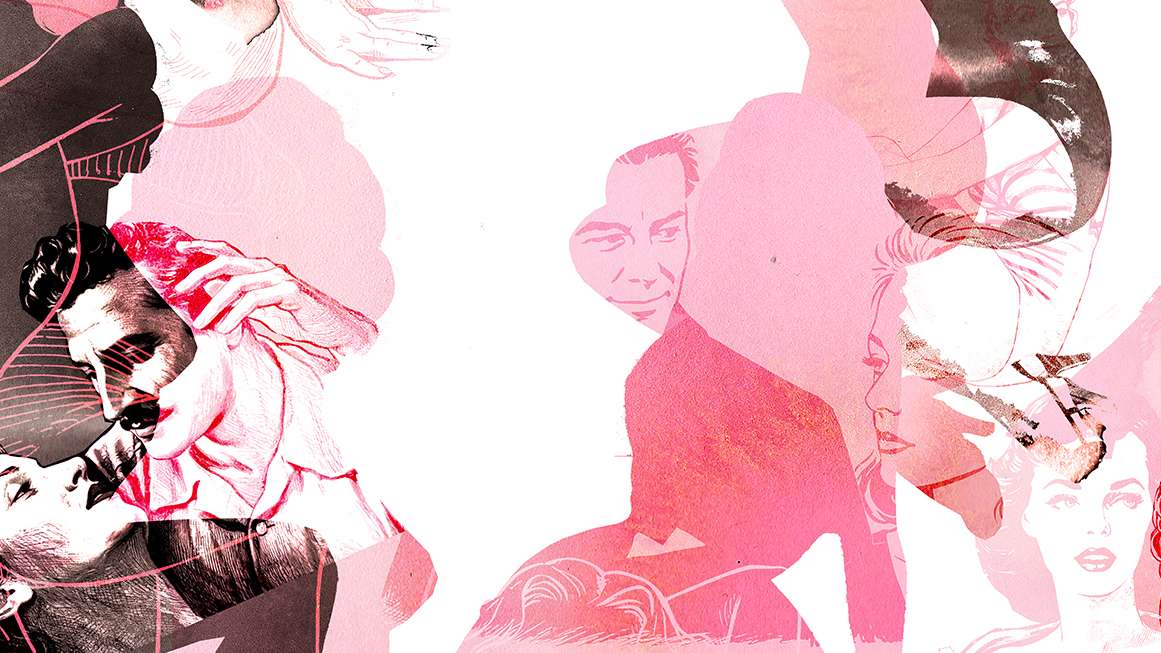
Cover image from reason.com, which was analyzed for this article
New revelations on the Supreme Court's use of shadow papers and secret memos highlight a risky shift in operations, with key excerpts sparking transparency concerns. Takeaways from these documents reveal internal processes amid ongoing cases. Historical rulings against informal censorship are cited in current debates.
PoliticalOS
Saturday, April 18, 2026 — Politics
Leaked 2016 memos show the Supreme Court granted an emergency stay of Obama's Clean Power Plan after abbreviated internal debate, an action later upheld on the merits in 2022 but criticized for lacking public reasoning. The episode intensified debate over the shadow docket's growth and secrecy, even as the same court has invoked precedents like Bantam Books v. Sullivan to limit informal government pressure on speech in other contexts. Readers should recognize that emergency procedures predated 2016, have been used by justices appointed by both parties, and reflect ongoing tension between timely intervention and transparent deliberation.
What outlets missed
Most coverage omitted that shadow-docket-style emergency stays existed well before 2016, including in voting rights cases from 2006, framing the Clean Power Plan episode as invention rather than escalation. The 2022 Supreme Court decision striking down the Clean Power Plan on major-questions grounds, which aligned with arguments in the Roberts and Alito memos, received little emphasis despite confirming the challengers' core claims about EPA authority. Coverage also underplayed bipartisan use of emergency docket procedures in the Trump, Biden and later administrations, including stays on immigration and vaccine mandates. On the Bantam Books precedent, nuance around modern jawboning cases was often lost; several cited examples, such as Murthy v. Missouri, ended in standing dismissals rather than definitive constitutional condemnations. Finally, concrete economic claims by the 27 challenging states and coal companies regarding plant closures and compliance costs were rarely detailed, though they were central to the stay requests.
Government Jawboning Menaces Free Speech Decades After Comic Book Crackdown
WASHINGTON — A Rhode Island commission formed in the 1950s to protect children from comic books operated as a classic case of government jawboning, a tactic that pressures private businesses to suppress speech without formal censorship. That episode, detailed in contemporary reports and now resurfacing amid ongoing debates over state influence on information, directly violates a Supreme Court precedent against such informal coercion.
Two years after the U.S. Senate held hearings on the supposed threat comic books posed to American youth, a state commission delivered its 1956 report to Rhode Island lawmakers. The document warned that “what’s at stake here is the decency of society” and framed the crusade not as censorship but as “self-defense.” Commissioners admitted they could do little more than urge publishers to “clean house,” yet they placed heavy responsibility on distributors and retailers to stop “feeding our children a constant diet of crime, horror, sex, violence and depravity.”
The solution was predictable: ban sales to minors and create a permanent commission to monitor content. Legislators complied, establishing the Rhode Island Commission to Encourage Morality in Youth. Its five original members, appointed by Democratic Governor Dennis Roberts, included a Catholic priest, an Episcopalian minister, an Orthodox rabbi, and a retired librarian. Joseph A. Sullivan, a Newport hardware store owner who had served on the earlier comic book panel, took the chair.
This body was tasked with educating the public about any “book, picture, pamphlet, ballad, printed paper or other thing containing obscene, indecent or impure language.” It would also investigate potential violations of state law and recommend prosecutions. When a majority of the commission deemed a publication “completely objectionable,” it sent notices to distributors. The implied threat was clear: stop carrying the material or face legal consequences and public condemnation.
The tactic worked because it exploited the gray area between advice and intimidation. Distributors, fearing boycotts, prosecutions, or reputational damage from a state-sanctioned morality board, often pulled titles without any court ruling. This was not outright government bans but something more insidious — officials using their authority to shape the marketplace of ideas through private proxies. Legal scholars have long recognized this as a First Amendment violation, citing the Supreme Court’s ruling in Bantam Books v. Sullivan, which struck down exactly this kind of indirect pressure.
That precedent remains urgent today. Federal officials have repeatedly leaned on social media platforms, publishers, and technology companies to restrict content on topics ranging from elections to public health. The method is the same: friendly suggestions, veiled threats of regulation or antitrust action, and appeals to corporate “responsibility.” When government actors jawbone private entities into doing what the Constitution forbids them from doing directly, they undermine the core protection of free expression.
The Rhode Island commission’s work perfectly illustrates the danger. What began as concern over juvenile delinquency quickly became a quasi-official board deciding which ideas Rhode Islanders could access. The group’s diverse religious membership was presented as moral authority, much as today’s advocates wrap speech restrictions in the language of safety, equity, or democracy protection. In both eras, the real goal appears to be shielding the public from material that challenges prevailing sensibilities or threatens established power.
Critics of aggressive government oversight argue this pattern reveals a persistent impulse among officials to manage public discourse. Rather than trust individuals to evaluate comic books, or social media posts, or news articles, bureaucrats appoint themselves arbiters of decency and truth. The 1956 report’s language about “self-defense” mirrors modern justifications that frame censorship as necessary to protect society from harm — whether that harm is fictional violence or what some call “misinformation.”
The Supreme Court has repeatedly made clear that the government cannot achieve through intimidation what it cannot achieve through law. Informal censorship chills speech more effectively than explicit bans because it is harder to detect and challenge. Distributors in 1950s Rhode Island had little recourse once the commission labeled their inventory objectionable. Today’s technology executives face similar pressure in private meetings with regulators and public scoldings from lawmakers.
This episode also highlights how such commissions tend to expand. What started as a response to Senate hearings on comic books evolved into a standing body with investigative and prosecutorial recommendations. The pattern should concern anyone who values open debate. Once government claims the power to define “obscene, indecent or impure,” the definition inevitably broadens to include political or cultural material that offends the ruling class.
As new generations encounter old tactics dressed in contemporary clothing, the Bantam Books precedent stands as a bulwark. Government may not enlist private companies as censors by implied threat. The Rhode Island morality commission’s story, though buried in mid-century archives, offers a cautionary tale about where jawboning leads — not to a more decent society, but to one where officials decide what citizens are permitted to read, watch, or discuss.
The American tradition rests on the belief that free people can handle uncomfortable ideas. When commissions or agencies forget that principle and resort to back-channel pressure, they betray the very values they claim to defend. The Supreme Court recognized this danger decades ago. Enforcing that recognition remains essential to preserving the First Amendment against modern variations of the same coercive scheme.
You just read America First's take. Want to read what actually happened?
More in Politics
Trump at 32% Approval as Gas Prices Test GOP Midterm Hopes
NYT/Siena polling showed Trump's approval at historic lows around 32 percent with Democrats leading by double digits in key districts. Early voting has surged in battleground states.

Record Early Voting Hits Battlegrounds, Shifting Partisan Shares
AP analysis found hundreds of thousands more early ballots than in 2022 in states including Texas, Ohio, Kansas, Maine, and North Carolina, shifting partisan dynamics.
Trump Backs Marshall in Kansas Senate Race Tightened by Farm Costs
President Trump rallied in deep-red Kansas for GOP Sen. Roger Marshall in a competitive race, announcing an $8 billion farm fuel relief program amid high diesel prices. Democrats see an opening to end 94 years of GOP dominance in the state.

Trump Pauses Russia Sanctions Amid Ukraine Tensions and Missile Strikes
Trump waived sanctions on Russia and floated trilateral talks with Putin and Xi as part of ending the Ukraine war, while tensions rose with Zelenskyy over Starlink and arms. Bipartisan senators engaged Zelenskyy amid the shifts.
The Compass
You just read five takes on one story.
What's your take? Find your political shape in a few minutes.
Take the test