
Leaked 2016 Memos Expose Supreme Court Debate Over Blocking Obama Climate Rule

Cover image from reason.com, which was analyzed for this article
New revelations on the Supreme Court's use of shadow papers and secret memos highlight a risky shift in operations, with key excerpts sparking transparency concerns. Takeaways from these documents reveal internal processes amid ongoing cases. Historical rulings against informal censorship are cited in current debates.
PoliticalOS
Saturday, April 18, 2026 — Politics
Leaked 2016 memos show the Supreme Court granted an emergency stay of Obama's Clean Power Plan after abbreviated internal debate, an action later upheld on the merits in 2022 but criticized for lacking public reasoning. The episode intensified debate over the shadow docket's growth and secrecy, even as the same court has invoked precedents like Bantam Books v. Sullivan to limit informal government pressure on speech in other contexts. Readers should recognize that emergency procedures predated 2016, have been used by justices appointed by both parties, and reflect ongoing tension between timely intervention and transparent deliberation.
What outlets missed
Most coverage omitted that shadow-docket-style emergency stays existed well before 2016, including in voting rights cases from 2006, framing the Clean Power Plan episode as invention rather than escalation. The 2022 Supreme Court decision striking down the Clean Power Plan on major-questions grounds, which aligned with arguments in the Roberts and Alito memos, received little emphasis despite confirming the challengers' core claims about EPA authority. Coverage also underplayed bipartisan use of emergency docket procedures in the Trump, Biden and later administrations, including stays on immigration and vaccine mandates. On the Bantam Books precedent, nuance around modern jawboning cases was often lost; several cited examples, such as Murthy v. Missouri, ended in standing dismissals rather than definitive constitutional condemnations. Finally, concrete economic claims by the 27 challenging states and coal companies regarding plant closures and compliance costs were rarely detailed, though they were central to the stay requests.
Supreme Court Memos Show Conservative Justices Improvised Shadow Docket to Freeze Obama Climate Rules
The New York Times publication of confidential Supreme Court memos from 2016 offers an unprecedented look at how the court's conservative majority short-circuited normal procedures to block President Barack Obama's signature climate change regulation before any lower court had weighed its legality. The documents reveal justices stumbling into a new form of rapid, unexplained decision-making that has since become a routine tool for influencing national policy on issues from environmental protections to public health and immigration.
The seven memos, exchanged over five frantic days in February 2016, center on the Clean Power Plan, an Environmental Protection Agency rule aimed at cutting carbon emissions from power plants. Obama had cast the initiative as essential to meeting U.S. commitments under the Paris climate agreement and averting the worst effects of global warming. Challengers, including two dozen mostly Republican-led states and energy industry groups, asked the Supreme Court to step in immediately.
Chief Justice John Roberts, responsible for emergency applications from the D.C. Circuit, initially set tight deadlines and framed the issues. What followed was an internal debate that bypassed the court's usual practice of full briefing, oral argument, and published reasoning. One memo emphasized an "extraordinary need for speed," reflecting the conservative justices' view that the rule would cause immediate and irreversible economic harm. Liberal justices pushed back, warning that such an intervention would be extraordinary and risk undermining lower court processes.
By a 5-4 vote that split precisely along partisan lines, the court issued a terse, unsigned order that halted the Clean Power Plan. No explanation was offered. Legal scholars have long described this ruling as the birthplace of the modern "shadow docket," a phrase denoting the court's growing habit of resolving high-stakes disputes through emergency orders issued with minimal transparency. What had once been reserved for true emergencies like death penalty stays became a parallel track for influencing presidential initiatives.
The newly public memos confirm that even some justices recognized the novelty and risk of the path they were taking. They debated whether the court possessed the authority to act before any appellate court had ruled, and they acknowledged that their intervention would effectively decide the fate of a major regulatory effort without the benefit of a developed factual record or reasoned lower-court opinions. Yet the conservative bloc prevailed, setting a precedent that has been cited and expanded in subsequent years.
Since 2016, shadow docket orders have proliferated. The court has used similar abbreviated procedures to allow or block policies on abortion access, COVID-19 vaccine mandates, immigration enforcement, and environmental rules issued by both Republican and Democratic administrations. Critics argue the mechanism allows the court to exert outsized influence while evading public accountability. Supporters counter that it prevents irreparable harm during prolonged litigation. The memos now show the practice was born not from careful doctrinal evolution but from a rushed, ideologically divided huddle.
The documents arrive at a moment of heightened scrutiny over the court's operations. Chief Justice Roberts has required nondisclosure agreements from court employees, a step that transparency advocates say further insulates the institution from oversight. Ordinarily, such internal papers remain sealed until decades after a justice's death. That the public can now read these memos within ten years is itself remarkable and likely the result of an undisclosed leak.
The 2016 episode also echoes broader patterns of institutional power. Just as the memos expose justices improvising new tools to constrain executive action on climate, other recent cases have tested the limits of government influence over private speech. A 1963 Supreme Court precedent, Bantam Books v. Sullivan, struck down a Rhode Island commission that used informal notifications to pressure distributors into censoring comic books and other materials deemed objectionable. The commission's "jawboning" created a climate of self-censorship without formal legal authority. The court ruled that such indirect coercion violated the First Amendment.
That precedent has taken on renewed relevance in contemporary disputes over whether government officials can pressure social media platforms to remove content. Critics of expansive government outreach to tech companies see echoes of the Rhode Island morality commission: private actors changing behavior under the implicit threat of regulation or public condemnation. The newly illuminated 2016 climate case adds another dimension to concerns about how the court itself operates with minimal formal process when the outcome aligns with the preferences of its conservative majority.
The Clean Power Plan never took full effect. The Trump administration later repealed it, and subsequent rules have followed a slower, more contested path. Yet the Supreme Court's 2016 intervention demonstrated how a single shadow docket order could reshape regulatory expectations for years. Environmental advocates argue the decision delayed meaningful action on climate at a critical juncture, when scientists warned that rapid reductions in emissions were necessary.
The memos do not suggest bad faith so much as institutional improvisation under pressure. Justice after justice weighed in on timing, scope, and the proper role of the court in reviewing ambitious executive-branch programs. What emerges is a picture of nine powerful individuals, operating behind closed doors, inventing procedures as they went. The result was a new normal in which major presidential actions can be frozen nationwide with a single sentence and no duty to explain.
Publication of the documents will likely fuel ongoing debates about Supreme Court reform, term limits, ethics codes, and greater transparency. For now, they stand as concrete evidence of how a single 5-4 procedural choice in the winter of 2016 helped transform the way the nation's highest court exercises power in the 21st century. The shadow docket is no longer an exception. It is a central feature of American governance, born in secrecy and now laid bare for public examination.
You just read Progressive's take. Want to read what actually happened?
More in Politics
Trump at 32% Approval as Gas Prices Test GOP Midterm Hopes
NYT/Siena polling showed Trump's approval at historic lows around 32 percent with Democrats leading by double digits in key districts. Early voting has surged in battleground states.

Record Early Voting Hits Battlegrounds, Shifting Partisan Shares
AP analysis found hundreds of thousands more early ballots than in 2022 in states including Texas, Ohio, Kansas, Maine, and North Carolina, shifting partisan dynamics.
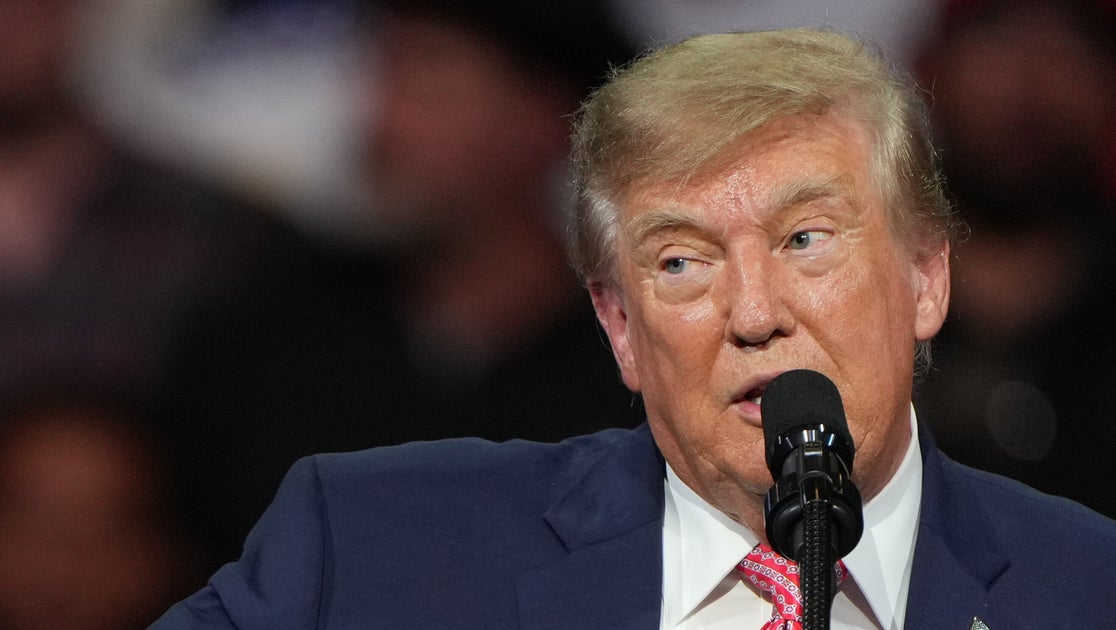
Trump Backs Marshall in Kansas Senate Race Tightened by Farm Costs
President Trump rallied in deep-red Kansas for GOP Sen. Roger Marshall in a competitive race, announcing an $8 billion farm fuel relief program amid high diesel prices. Democrats see an opening to end 94 years of GOP dominance in the state.

Trump Pauses Russia Sanctions Amid Ukraine Tensions and Missile Strikes
Trump waived sanctions on Russia and floated trilateral talks with Putin and Xi as part of ending the Ukraine war, while tensions rose with Zelenskyy over Starlink and arms. Bipartisan senators engaged Zelenskyy amid the shifts.
The Compass
You just read five takes on one story.
What's your take? Find your political shape in a few minutes.
Take the test