
Texas flash floods kill two amid recurring deadly rains
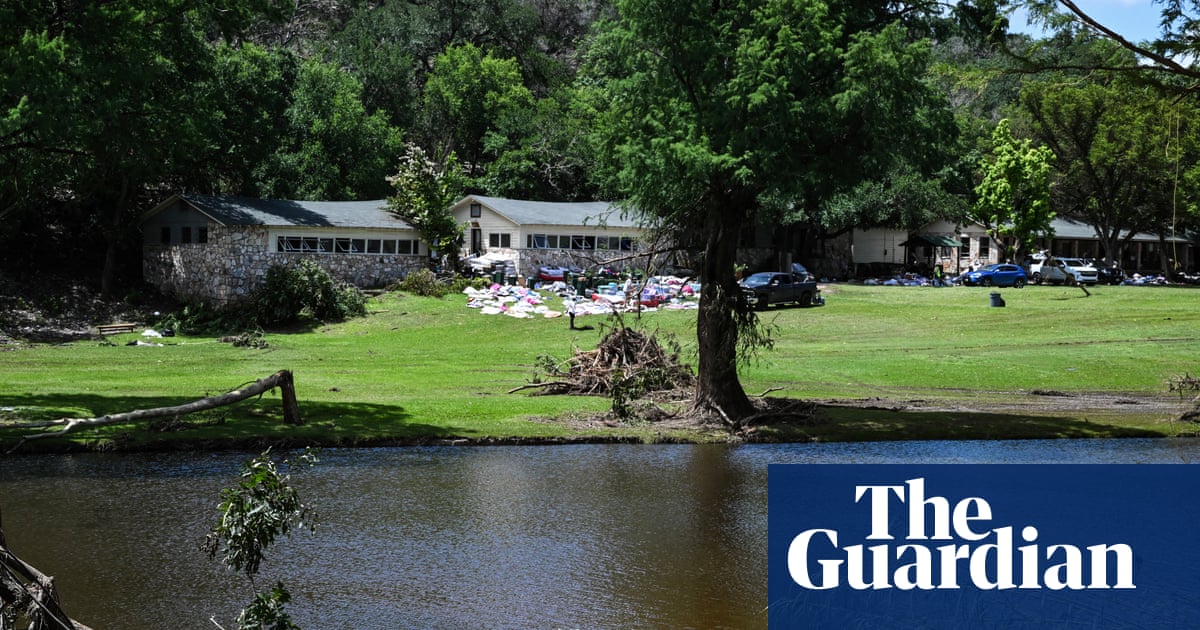
Cover image from theguardian.com, which was analyzed for this article
Heavy storms triggered deadly flash floods with multiple rescues, renewing climate and infrastructure concerns.
PoliticalOS
Friday, July 17, 2026 — Politics
Two people died in Texas flash floods this week, one year after a far deadlier event at the same river system. Preparedness steps taken since then saved campers, yet questions remain over whether updated flood maps, building rules, and emergency plans are advancing fast enough to match the rainfall patterns now observed.
What outlets missed
NPR omitted any reference to the April 2026 Texas House report that found Camp Mystic deaths preventable due to missing evacuation plans. The Guardian incorrectly described the 2024 Texas Republican Party platform as opposing climate initiatives, a claim unsupported by the document itself, and did not cite NOAA data showing the first five months of 2026 as unusually dry nationwide. Neither outlet examined how many properties have been removed from floodplain maps through appeals in the past decade.
Flash floods tore through central Texas this week, killing at least two people and forcing more than 70 rescues in counties already scarred by last summer’s catastrophe. The deaths occurred after days of heavy rain that prompted emergency declarations, though officials stressed the victims were not campers. A year earlier, similar flooding at Camp Mystic claimed 27 lives when waters rose faster than warnings could reach everyone.
State and local agencies had added sirens and revised camp evacuation rules since then. Residents received alerts earlier this time, and forecasters now expect the rain to taper, shifting crews from rescues to damage assessments. Governor Greg Abbott confirmed the two fatalities and noted the focus remained on saving lives.
The same pattern of intense downpours has struck other states this summer. Missouri, New Jersey, New York, Ohio and Pennsylvania each logged record rainfall in recent weeks. Experts attribute the heavier events to warmer air holding more moisture, yet NOAA data also show the contiguous United States recorded its sixth-driest January-through-May period on record in 2026. Infrastructure built for an earlier climate remains in place in many places, with some cities still using century-old pipes.
A Texas House investigative report released in April 2026 concluded that the Camp Mystic deaths were preventable because the camp lacked an evacuation plan and delayed its response. Separately, developers in Harris County have appealed to remove more than 6,500 properties from updated floodplain maps, a step that lowers insurance costs but leaves structures exposed. Federal grants once aimed at resilient infrastructure were briefly cut before a court restored funding.
The tension now centers on whether faster updates to maps, stricter building rules in floodplains, and consistent emergency planning can keep pace with whatever rainfall arrives next.
More in Politics

Federal Agents Search Omar Home in Ongoing Immigration Probe
Homeland Security agents searched the Minnesota Democrat's DC residence in a criminal probe, prompting accusations of political intimidation from Omar and Democratic leaders. Coverage spans left-leaning outlets like NPR, BBC, and The Guardian alongside right-leaning criticism from The Federalist and Daily Wire.

Trump Diesel Import Plan Draws Pushback Over Russia Ties
The weekend agreement drew bipartisan congressional pushback and criticism from Ukraine's Zelenskyy, with analysts downplaying US fuel price impacts. Right-leaning outlets like National Review, Dispatch, and Washington Examiner questioned its legality and effectiveness.

Independents Test Voter Appetite for Middle Ground in 2026 Midterms
Nearly 200 independents are running in competitive races as voters weigh ballot measures on housing costs in states like Massachusetts. Left-leaning coverage from NYT, NPR, and Guardian highlights turnout and key races while right outlets focus on GOP strategy.
Trump Rallies in Alaska, Ohio to Bolster GOP Senate Candidates
The president rallied in Wasilla for Sen. Dan Sullivan and faced empty seats at an Ohio event amid midterm concerns. Outlets across the spectrum covered the trips as signals of GOP vulnerability weeks before Election Day.
The Compass
You just read five takes on one story.
What's your take? Find your political shape in a few minutes.
Take the test