
Texas Railroad Commission Runoff Pits Regulation Against Culture War
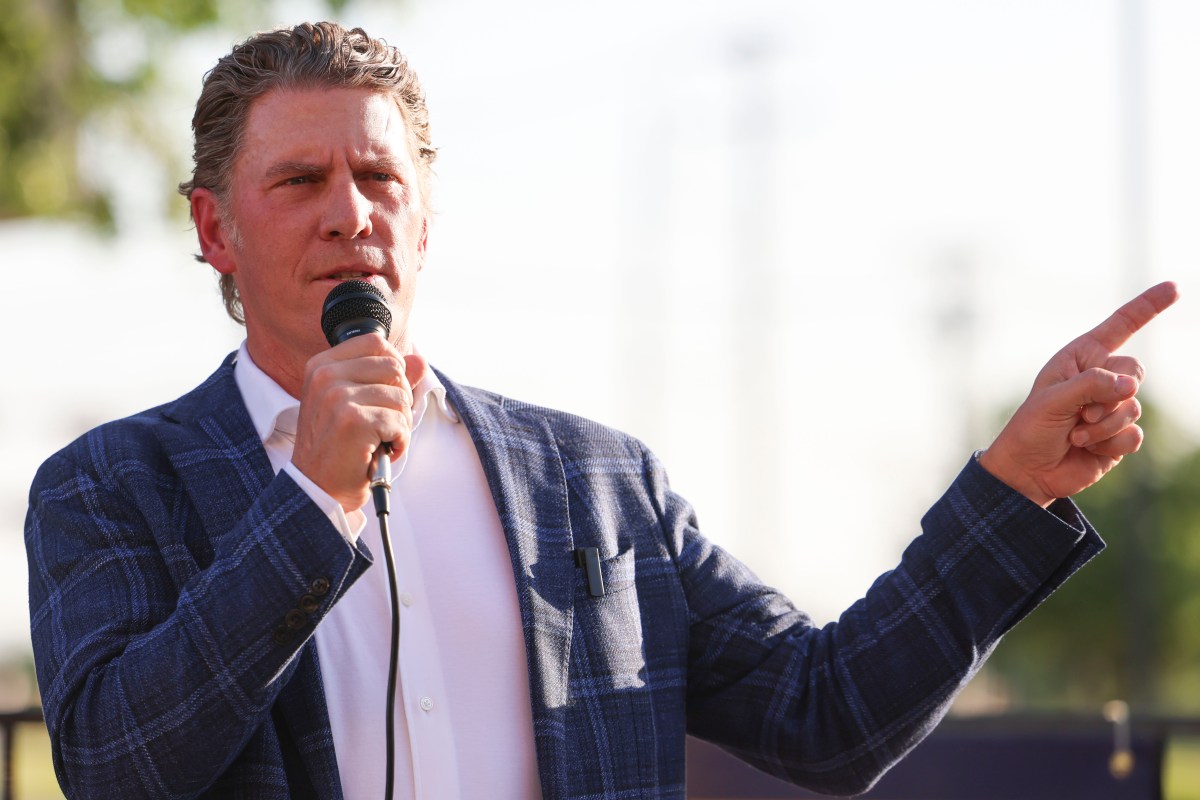
Cover image from talkingpointsmemo.com, which was analyzed for this article
Sen. John Cornyn faces a Trump-backed primary challenge from Ken Paxton in a race seen as a test of Trump’s influence over the GOP. Coverage focused on key moments and establishment concerns.
PoliticalOS
Monday, May 25, 2026 — Politics
The runoff tests whether voters prioritize updated wastewater disposal standards or a candidate who treats the commission seat as a platform for broader cultural grievances. Establishment and industry money is aligned against French, while smaller operators back him.
What outlets missed
Neither outlet supplied the exact dollar amounts or timing of PAC spending by independent drillers versus major producers. No outlet examined the commission’s current backlog of unplugged wells or the cost trajectory of plugging them. Coverage also omitted any comparison of French’s 2016 legislative campaign positions with his current platform.
Bo French’s Far-Right Bid for Texas Oil Regulator Spotlights Extremism in GOP Primary
FORT WORTH, Texas — A candidate seeking a seat on the Texas Railroad Commission, the state body that regulates oil and gas drilling, has centered his runoff campaign on calls to deport 100 million people, purge Islam from the energy sector, and eliminate diversity initiatives. Bo French, a Republican energy investor, advanced from the March primary with 31.7 percent of the vote and now faces incumbent Jim Wright in Tuesday’s runoff.
French’s launch event in early April drew an array of prominent far-right figures to a stockyards-themed venue here, including Kyle Rittenhouse, Attorney General Ken Paxton, and gun-rights activist Brandon Herrera. The gathering underscored how culture-war appeals have overtaken policy debate in the race for a commission that directly shapes drilling permits, pipeline oversight, and environmental enforcement in the nation’s top oil-producing state.
During his tenure as Tarrant County GOP chair, French posted a poll asking whether Jews or Muslims posed a greater threat to the United States, drawing rebukes even from some fellow Texas Republicans. His current platform repeats Islamophobic themes while promising to root out “DEI” programs at the commission, positions that have little direct bearing on the technical work of regulating extraction but have helped him attract national attention from the party’s right flank.
The commission’s three members hold significant power over methane emissions rules, wastewater disposal, and well-spacing requirements. Critics inside the industry and environmental groups argue that French’s focus on identity-based grievances serves to sidestep those responsibilities. His opponent, Wright, has supported modest updates to flaring regulations and criticized what he calls lax oversight that allows operators to externalize cleanup costs onto taxpayers and landowners.
French’s rhetoric extends well beyond state energy policy. He has repeatedly endorsed mass deportation on a scale that would require removing roughly one-third of the U.S. population, a proposal that immigration analysts say lacks any feasible implementation plan and would disrupt labor markets far beyond Texas oil fields. Supporters at the Fort Worth event framed such statements as necessary to “restore” the state, while opponents view them as performative escalation designed to motivate a narrow primary electorate.
The race has exposed divisions within Texas Republican circles between candidates willing to embrace explicit ethnic and religious targeting and those who prefer to emphasize regulatory predictability for drillers. Several major oil-service companies have quietly backed Wright, citing concerns that French’s public statements could invite federal scrutiny or complicate permitting processes already under pressure from climate-related lawsuits.
Voter turnout in the runoff is expected to be low, as is typical for such contests, yet the outcome will determine whether the commission continues its incremental tightening of environmental standards or shifts toward a more confrontational posture that prioritizes cultural signaling. French has positioned himself as an outsider willing to upend the agency; Wright presents himself as an experienced hand who understands the commission’s statutory limits.
Whatever the result Tuesday, the campaign has already illustrated how national far-right talking points now shape contests for obscure but consequential state offices that control the pace and safety of fossil-fuel development.
You just read Progressive's take. Want to read what actually happened?
More in Politics
Trump at 32% Approval as Gas Prices Test GOP Midterm Hopes
NYT/Siena polling showed Trump's approval at historic lows around 32 percent with Democrats leading by double digits in key districts. Early voting has surged in battleground states.

Record Early Voting Hits Battlegrounds, Shifting Partisan Shares
AP analysis found hundreds of thousands more early ballots than in 2022 in states including Texas, Ohio, Kansas, Maine, and North Carolina, shifting partisan dynamics.
Trump Backs Marshall in Kansas Senate Race Tightened by Farm Costs
President Trump rallied in deep-red Kansas for GOP Sen. Roger Marshall in a competitive race, announcing an $8 billion farm fuel relief program amid high diesel prices. Democrats see an opening to end 94 years of GOP dominance in the state.

Trump Pauses Russia Sanctions Amid Ukraine Tensions and Missile Strikes
Trump waived sanctions on Russia and floated trilateral talks with Putin and Xi as part of ending the Ukraine war, while tensions rose with Zelenskyy over Starlink and arms. Bipartisan senators engaged Zelenskyy amid the shifts.
The Compass
You just read five takes on one story.
What's your take? Find your political shape in a few minutes.
Take the test