
Texas Runoff Pits Cornyn Against Trump-Backed Paxton
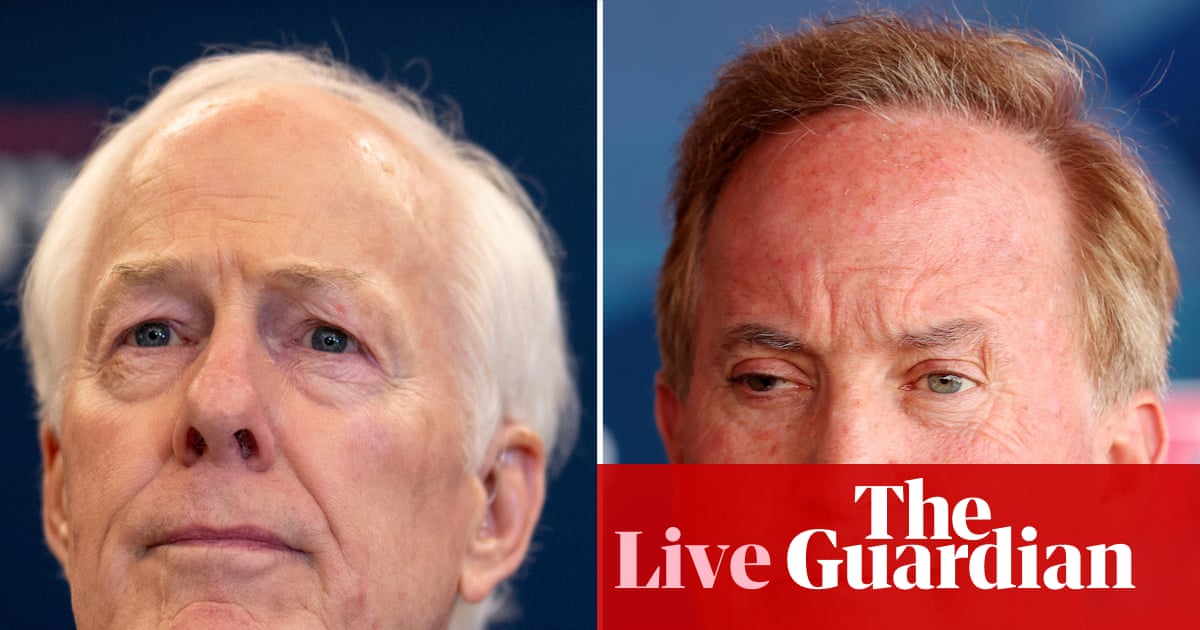
Cover image from theguardian.com, which was analyzed for this article
Voters decide between Sen. John Cornyn and Trump-endorsed Ken Paxton in a high-stakes Republican primary runoff that gauges the president's sway over the party. Both sides have poured resources into ads amid internal GOP divisions.
PoliticalOS
Tuesday, May 26, 2026 — Politics
The runoff measures whether Trump's late endorsement can overcome an incumbent's money and institutional support in a state Republicans have held since 1994. Whoever wins faces Democrat James Talarico in November, with the result affecting both Senate control and the balance between establishment and populist wings inside the GOP.
What outlets missed
Most coverage omitted the precise March primary margins and the $120 million total ad spend figure reported by AdImpact across both rounds. Few outlets detailed Paxton's specific MAHA-aligned lawsuits on food dyes, heavy metals in baby food, and forever chemicals in clothing. The simultaneous Democratic runoffs in redrawn districts and the absence of any Trump endorsement in the attorney general race received little attention outside procedural lists.
Texas Republicans Head to Polls in High Stakes Senate Runoff
Texas voters decide Tuesday between longtime Sen. John Cornyn and state Attorney General Ken Paxton in a Republican primary runoff that tests the reach of President Donald Trump's endorsements. The contest follows a March primary in which Cornyn captured 42 percent and Paxton 40.5 percent, leaving neither with a majority. The winner will face Democratic state Rep. James Talarico in November for a seat that could help determine control of the Senate.
Trump endorsed Paxton last week, calling Cornyn "VERY disloyal" and shifting the race decisively toward the challenger. Paxton, a consistent Trump supporter during earlier controversies, has positioned himself as an outsider willing to confront federal agencies and corporate interests on issues from border security to health policy. Cornyn, first elected in 2002 and a former Senate Republican whip, has defended his record of legislative deal making while facing attacks that tie him to bipartisan measures on guns and spending.
The contest has drawn record spending, making it the costliest Senate primary in history. National Republican groups have funneled resources to Cornyn, arguing his fundraising and general election strength would protect the party's narrow majority more reliably than Paxton, who carries legal and ethical baggage from past investigations. Paxton's backers counter that Cornyn represents an insulated Washington class more attuned to institutional norms than to voter priorities on immigration enforcement and regulatory restraint.
Public polling has shown Paxton ahead since the endorsement, reflecting broader patterns in recent cycles where Trump's support has consolidated support among primary voters skeptical of establishment continuity. Turnout will matter in suburban areas around Houston and Dallas, where early events drew crowds focused on Paxton's record of lawsuits against federal health and environmental rules. Supporters at one rally described him as someone with the resolve to challenge entrenched bureaucracies rather than accommodate them.
The outcome carries downstream effects. A Paxton victory would place a more confrontational figure in the general election against Talarico, a state legislator who defeated a progressive rival in the Democratic primary and has drawn attention from national party figures. Democrats have not won a Texas Senate seat since 1994, yet the state's shifting demographics and the cost of defending the seat have prompted warnings from Senate Republicans about resource drains elsewhere.
Cornyn has warned that nominating Paxton could force the party to divert hundreds of millions from other races. Paxton's campaign has emphasized independence from such calculations, stressing instead direct accountability to voters who backed Trump's agenda on trade, regulation and institutional reform. The runoff thus distills recurring tensions between incumbents with long records of incremental compromise and challengers who prioritize disruption of existing arrangements.
Results are expected after polls close at 9 p.m. Eastern time, with absentee and early votes already shaping expectations in key counties.
You just read Conservative's take. Want to read what actually happened?
More in Politics
Trump at 32% Approval as Gas Prices Test GOP Midterm Hopes
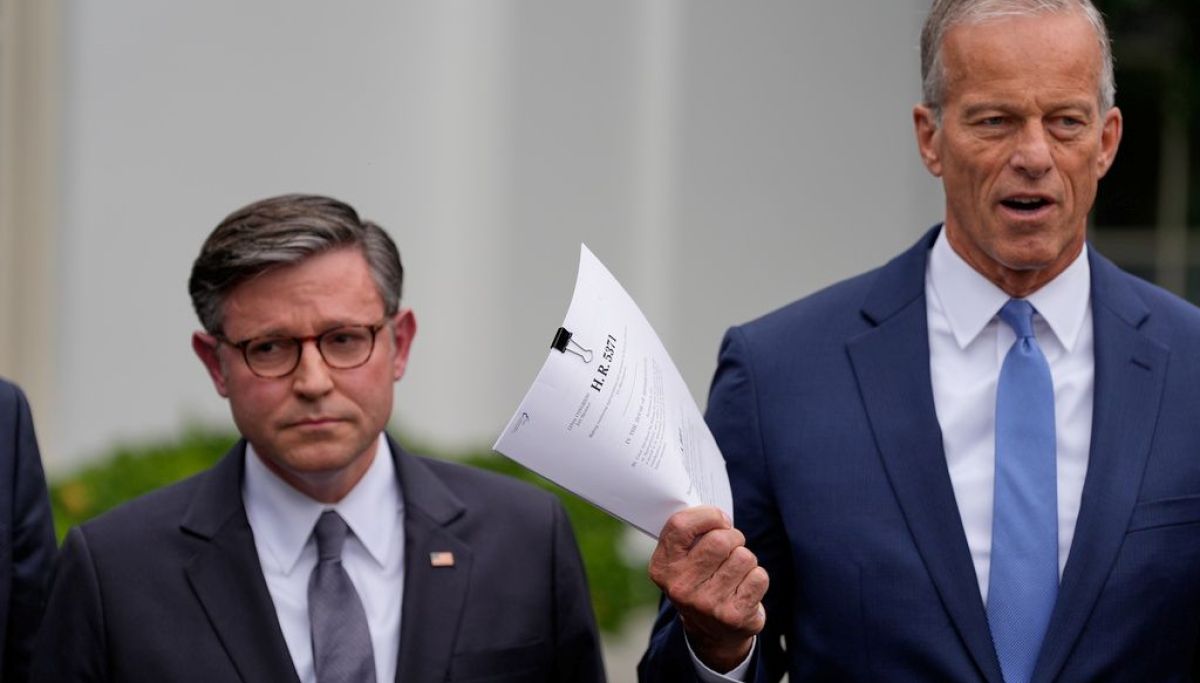
NYT/Siena polling showed Trump's approval at historic lows around 32 percent with Democrats leading by double digits in key districts. Early voting has surged in battleground states.

Record Early Voting Hits Battlegrounds, Shifting Partisan Shares
AP analysis found hundreds of thousands more early ballots than in 2022 in states including Texas, Ohio, Kansas, Maine, and North Carolina, shifting partisan dynamics.
Trump Backs Marshall in Kansas Senate Race Tightened by Farm Costs
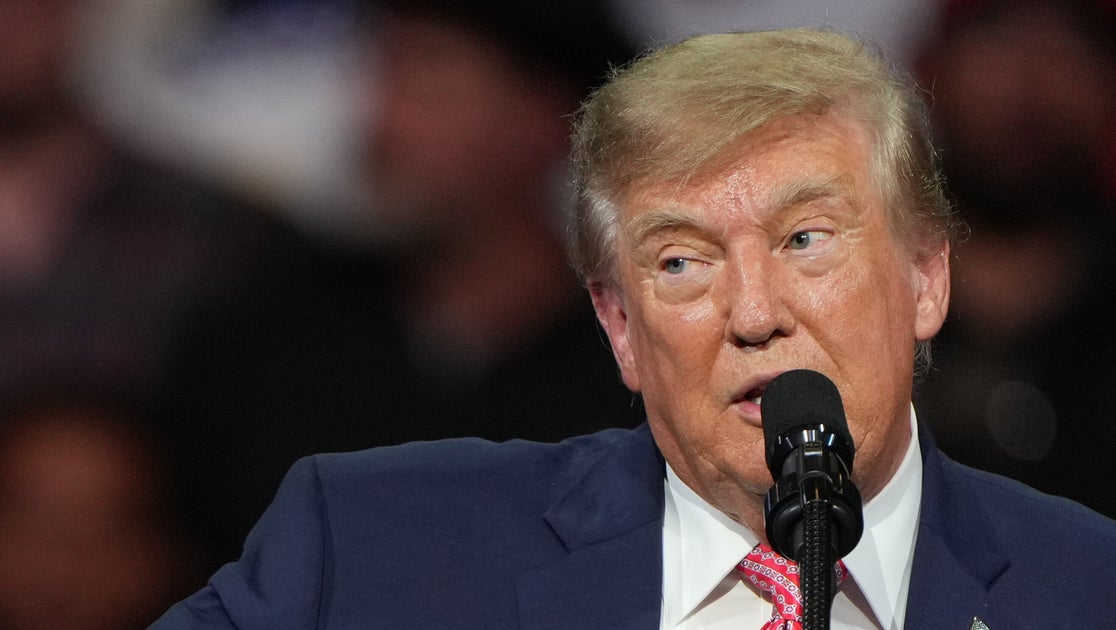
President Trump rallied in deep-red Kansas for GOP Sen. Roger Marshall in a competitive race, announcing an $8 billion farm fuel relief program amid high diesel prices. Democrats see an opening to end 94 years of GOP dominance in the state.

Trump Pauses Russia Sanctions Amid Ukraine Tensions and Missile Strikes
Trump waived sanctions on Russia and floated trilateral talks with Putin and Xi as part of ending the Ukraine war, while tensions rose with Zelenskyy over Starlink and arms. Bipartisan senators engaged Zelenskyy amid the shifts.
The Compass
You just read five takes on one story.
What's your take? Find your political shape in a few minutes.
Take the test