
Federal Probe Targets Smith College for Admitting Transgender Women

Cover image from slate.com, which was analyzed for this article
The Trump administration launched an investigation into Smith College for admitting trans women, prompting Education Department probe. Critics see it as part of GOP anti-trans measures used politically. The case fuels national divides on gender policies.
PoliticalOS
Tuesday, May 5, 2026 — Politics
The Smith College investigation is not an isolated culture-war skirmish but a legal test of whether Title IX's protections for single-sex women's institutions rest on biological sex or self-identified gender. A reader should understand that the department is enforcing the original statutory exception after Biden-era expansions were struck down by a judge, that public polling consistently shows majority support for sex-based categories in sports and youth medicine, and that the outcome will shape admissions, housing and athletics policies at every remaining women's college in America.
What outlets missed
Most coverage omitted the Department of Education's explicit statement that Title IX's single-sex exception is limited to "biological sex difference, not subjective gender identity," a direct quote from the initiating press release that reframes the probe as enforcement rather than innovation. Outlets also underplayed verifiable polling data showing two-thirds of Missouri voters support bans on youth gender medicine and that such provisions increase ballot measure popularity by seven points. The scale of actual participation received little attention: Nebraska reported fewer than 10 transgender athletes across a decade, and Maine had only three transgender girls in high school sports last year. Coverage further skipped Smith's own statement, reported elsewhere, that it intends to comply with Title IX while the investigation proceeds, and gave short shrift to the 2025 federal court decision striking down Biden-era regulations for legal shortcomings rather than policy disagreement.
Republicans Deploy Anti-Trans Measures as Voter Turnout Tools While Targeting Democratic Strongholds
As Republicans prepare for the 2026 midterms, party leaders are increasingly open about using ballot initiatives restricting transgender rights to motivate their base, even as the Trump administration escalates federal pressure on institutions that accommodate trans Americans and GOP governors move to dilute the power of Democratic-leaning cities. The strategy reflects a calculated blend of cultural grievance and institutional maneuvering that has come to define the party's approach to consolidating authority in a polarized nation.
In Nevada, Republican Gov. Joe Lombardo has been unusually candid about the electoral utility of such measures. At a January fundraiser, Lombardo told donors he recognized his own limitations as a motivator. "I am not enough of a motor—uh, a motivator—as a governor candidate to get them off the couch," he said, according to a recording obtained by the Nevada Independent. His solution: two ballot initiatives designed to drive Republican turnout. One would require photo identification at polls, a policy critics say disproportionately affects racial minorities. The other, which Lombardo has referred to as "Men in Women's Sports," would amend the state constitution to bar transgender girls and women from competing on female school sports teams.
Lombardo previewed the approach last October at another event, predicting the sports measure would energize voters. "That's going to get people out to vote," he said, prompting cheers from the audience. "Because, just from the groans in the room, I think they're going to support it." The comments align with years of well-funded conservative campaigns portraying transgender inclusion in sports, bathrooms and other single-sex spaces as a threat to fairness and safety. Yet the governor's framing of the initiative as "ballot candy" underscores a political calculus: even if the policies face legal or practical hurdles, they serve as emotional catalysts to overcome voter apathy.
This state-level tactic finds reinforcement at the federal level. On Monday, the Department of Education's Office for Civil Rights announced an investigation into Smith College, the prestigious Massachusetts women's liberal arts institution founded in 1871. The probe examines whether Smith's policy of admitting transgender women violates Title IX, the 1972 law prohibiting sex discrimination in education. Department officials described the college as "admitting biological men," echoing the Trump administration's repeated assertions that Title IX protections are sex-based rather than gender-identity-based.
Smith has admitted applicants who self-identify as women, including cisgender, transgender and nonbinary individuals, since 2015. The policy evolved after campus activism in 2013, when a transgender high school senior was initially denied admission over discrepancies between her gender identity and financial aid documents. Advocates argue that women's colleges were historically created to serve those marginalized by gender, and that excluding trans women would betray that mission. The number of such colleges has already shrunk dramatically, from more than 200 to about 30 as of fall 2023, according to the Women's College Coalition. The investigation adds to a pattern of Trump administration actions, including lawsuits against states and schools over transgender participation in women's sports.
The administration's moves arrive amid broader Republican efforts to constrain local Democratic power. In Louisiana, Gov. Jeff Landry is advancing legislation framed as "right-sizing" the judicial system. The bills would make it easier for the Republican-controlled Legislature and governor to remove locally elected judges and officials for "malfeasance or gross misconduct." Critics, including those reporting in partnership with Deep South Today, describe the effort as retaliation against New Orleans, the state's largest, majority-Black and heavily Democratic city. The measures appear designed to override local preferences on criminal justice and other policies that diverge from conservative priorities in rural and suburban areas.
These developments illustrate a coherent, if uneven, national strategy. For years, opposition to transgender rights has served as a reliable organizing tool for the right, one that resonates with voters who feel cultural change has moved too quickly. Public opinion remains divided, with broader support for nondiscrimination protections but significant skepticism toward transgender athletes in women's sports and medical interventions for minors. Republicans have leveraged that skepticism to turn out infrequent voters who might otherwise ignore down-ballot races.
Yet the approach carries risks. By tying electoral success so explicitly to targeting a small and vulnerable population, the GOP risks alienating moderates and younger voters who prioritize economic issues or view the campaign as gratuitous. Transgender Americans make up less than 1 percent of the population, according to most surveys, yet they have become a central preoccupation in Republican messaging. The Mother Jones reporting on Lombardo's comments reveals an internal acknowledgment that these initiatives function less as carefully crafted policy than as emotional bait.
At the same time, parallel efforts to weaken local governance in places like New Orleans and to reinterpret federal civil rights law at institutions like Smith College suggest a deeper institutional project. State preemption of city authority has accelerated in recent years, often on issues from policing to housing to public health. The Louisiana bills fit this mold, using ostensibly neutral language about accountability to shift power upward to Republican statehouses. The Smith investigation, meanwhile, tests how far the executive branch can stretch Title IX to override private colleges' own definitions of who counts as a woman.
The cumulative effect is a tightening of constraints on both transgender individuals and the Democratic enclaves where they often find greater acceptance. Whether this strategy delivers at the ballot box remains to be seen. What is already clear is that Republican officials no longer treat transgender issues as peripheral. From ballot initiatives in Nevada to federal investigations in Massachusetts to power shifts in Louisiana, the party has placed cultural confrontation at the center of its governing and electoral playbook. The coming months will test whether voters respond to the motivation or recoil from the division.
You just read Liberal's take. Want to read what actually happened?
More in Politics

Trump Defends Ramaswamy Ad Using Estranged Mother in Ohio Race
President Trump defended a GOP nominee's ad featuring a Democratic opponent's estranged mother, calling it powerful, while drawing criticism from some Republicans including Ohio Gov. Mike DeWine. The ad has sparked internal GOP tensions ahead of midterms.
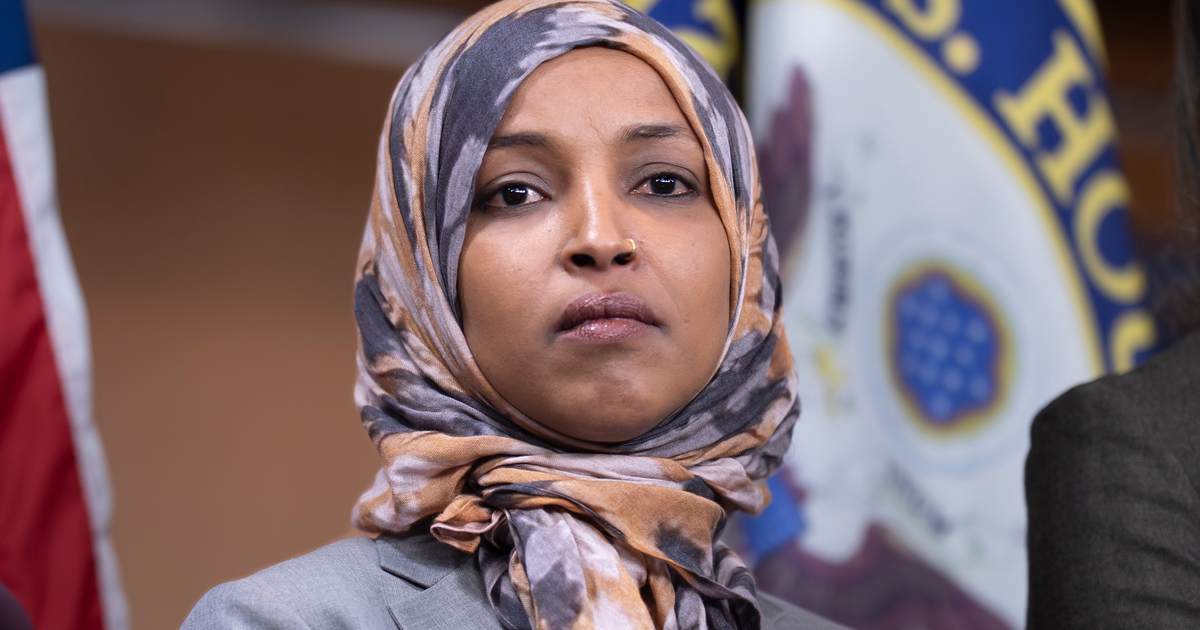
Federal Raid Targets Omar Amid Unresolved Name and Marriage Allegations
Agents searched Rep. Ilhan Omar's DC residence over immigration fraud allegations; she called it bizarre. Reports and commentary questioned her birth name and past marriage details.

Supreme Court Upholds New Hampshire Student ID Voting Ban
The Supreme Court upheld New Hampshire's ban on student IDs as valid voter identification just before midterms, affecting a tight Senate race.
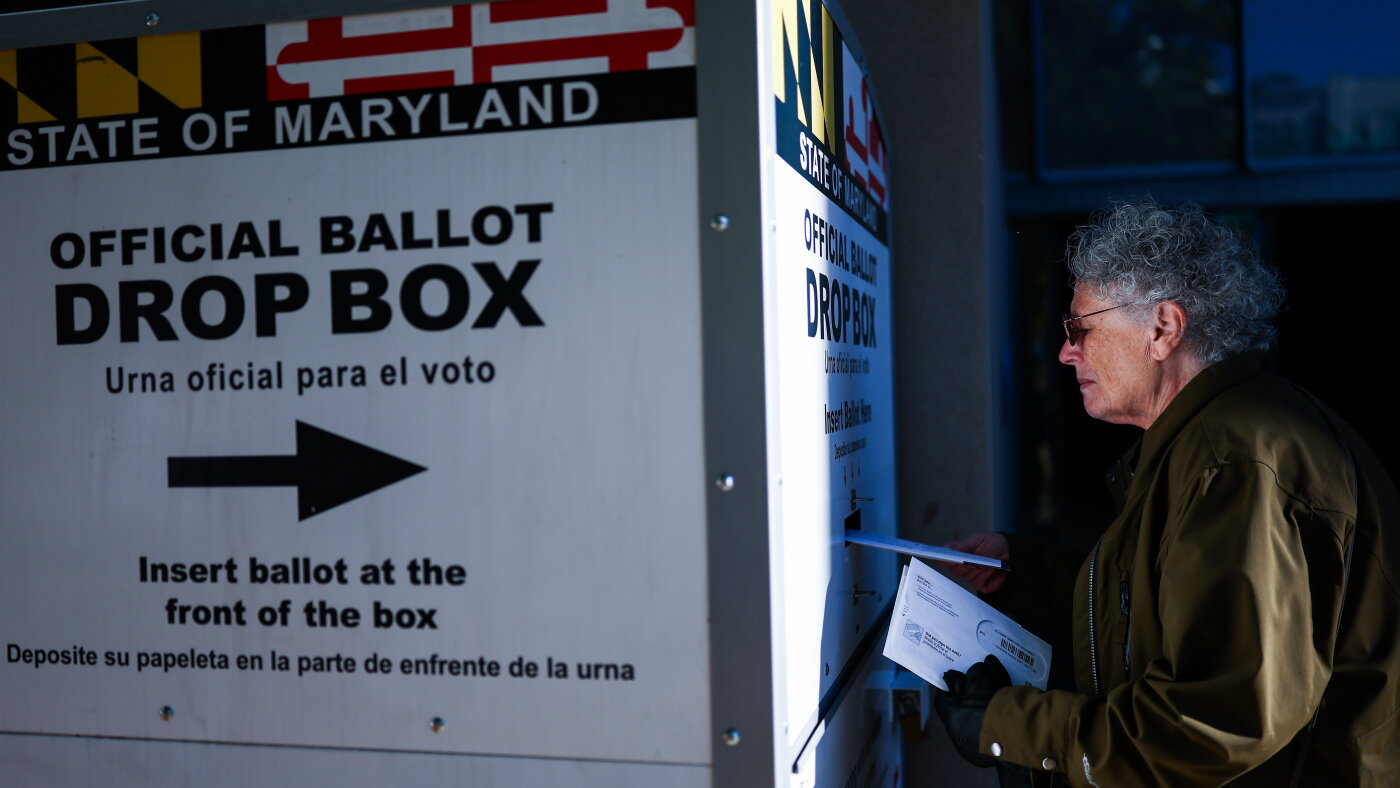
Early Voting Hits 21 Million as Most Trust Midterm Accuracy
Millions have already voted early as parties make final appeals amid $1.4 billion in ad spending; polls show confidence in election accuracy.
The Compass
You just read five takes on one story.
What's your take? Find your political shape in a few minutes.
Take the test