
Trump's Team Shakeup: Purge or Accountability Amid War Backdrop
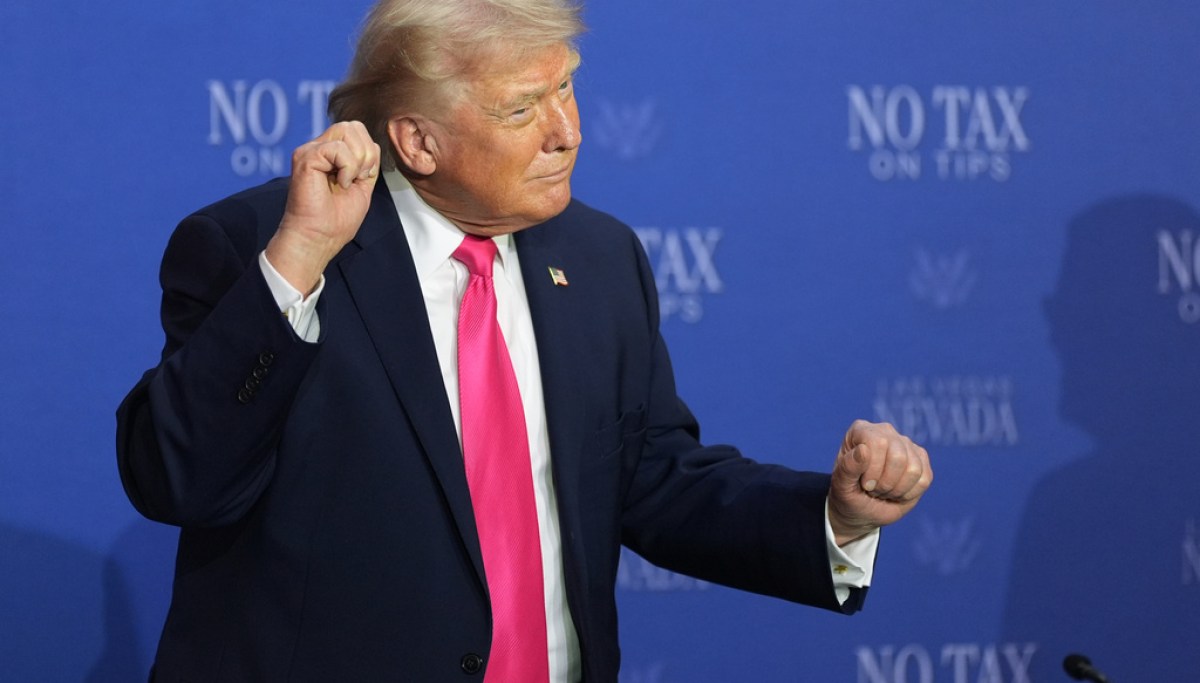
Cover image from washingtonexaminer.com, which was analyzed for this article
Widespread personnel changes dubbed a 'purge' by critics target Congress oversight and Pentagon, with Navy chief out. Defenders call it accountability after Biden holdovers. Spring cleaning tests Trump's coalition limits.
PoliticalOS
Thursday, April 23, 2026 — Politics
Multiple high-ranking officials across the Pentagon, Cabinet, and Congress have departed or been removed in a compressed window, occurring against the backdrop of U.S. military action in Iran that raised energy costs and hurt presidential approval. Specific reasons for several military exits rely on anonymous or unverified accounts that other outlets could not corroborate, while the administration has publicly cited merit and performance. The most important reality is that these changes test continuity and readiness at a sensitive moment; readers should distinguish between confirmed announcements and unattributed claims about motives.
What outlets missed
Most coverage omitted the February 2026 sequence of Iranian proxy attacks that preceded U.S.-Israeli strikes, the subsequent Iranian missile response on U.S. bases, and the fact that the Iranian Supreme Leader was killed during the exchanges. Pentagon statements citing performance reviews and meritocracy as drivers for the military changes received little attention outside conservative outlets and were not balanced against anonymous sourcing in mainstream reporting. The immediate court injunction blocking certification of Virginia's redistricting results on April 22 was rarely noted, softening the perceived finality of that Democratic gain. Specific ethics triggers for the three congressional resignations, including documented indictments and admissions, were downplayed by outlets preferring a generic "purge era" narrative. Low voter turnout of 47.94 percent in the Virginia referendum also went largely unmentioned, providing important context for the narrow margin.
Virginia Redistricting Defeat Exposes Republican Divisions Over Strategy and Principle
Voters in Virginia approved a ballot initiative on congressional redistricting by a narrow margin this week, delivering a setback to Republicans already concerned about their slim majority in the House of Representatives. The measure, which opponents argued would lead to maps less favorable to the GOP, passed despite receiving less support than President Donald Trump achieved in the state during his 2024 victory. Returns showed the “no” vote running ahead of Trump’s 2024 performance, yet the “yes” side prevailed after a late shift in momentum that caught many in the party off guard.
The result immediately triggered recriminations. Some Republicans questioned whether national party committees should have devoted more resources to the fight rather than reserving funds for the 2026 midterms. Others asked why the White House did not intervene more directly and why former Gov. Glenn Youngkin did not play a larger public role. These debates, while typical after any close loss, touch on a deeper tension that has grown within the Republican Party since Trump’s return to national politics.
At its core is a disagreement about how aggressively conservatives should use the levers of power when they hold them. One camp points to Democratic successes, such as the 10-1 congressional map drawn in Indiana, a state where Kamala Harris won under 52 percent of the vote in 2024. They argue that Republicans in states they control should draw maps with equal determination to protect and expand their advantages. Failing to do so, they say, amounts to unilateral disarmament in an era when Democrats treat redistricting as total political warfare.
Traditional conservatives counter that this approach risks abandoning the rule of law and neutral principles that have defined the American experiment. Limited government and impartial rules, they maintain, protect everyone rather than serving as temporary tools for whichever party happens to be in charge. This perspective echoes longstanding warnings that trading enduring institutional norms for short-term tactical gains often produces unintended consequences. The Virginia outcome may illustrate one such consequence: a self-inflicted wound that could make an already competitive House map even more difficult for Republicans to hold in the fall.
The redistricting vote arrives amid broader turbulence in Washington. Over the past two months, the Trump administration has seen multiple high-level departures. Navy Secretary John Phelan was asked to step down after clashing with Defense Secretary Pete Hegseth over shipbuilding and management issues. Army Chief of Staff Gen. Randy George retired following scrutiny of his decision to override the Army’s Battalion Command Assessment Program, which an officer had failed twice. Attorney General Pam Bondi, Labor Secretary Lori Chavez-DeRemer, and Homeland Security Secretary Kristi Noem have also left their posts.
Critics outside the administration have described these changes as a “purge,” suggesting ideological score-settling. Yet supporters note that civilian control of the military is a foundational American principle, not an optional tradition. Secretaries of defense have long possessed authority to remove senior officers who fail to meet standards of merit, discipline, or focus on core warfighting missions. Barack Obama’s administration removed more generals and admirals than the current one without comparable media outrage. In the case of General George, the decision to promote an officer who could not pass an objective evaluation process raised legitimate questions about whether personnel decisions had drifted toward considerations other than competence.
Similar personnel shifts have occurred in Congress, where Representatives Eric Swalwell, Tony Gonzales, and Sheila Cherfilus-McCormick have been removed from their roles. Slate has characterized this as the dawn of a “purge era,” with both parties appearing to consolidate around narrower definitions of acceptable members. Republicans facing these changes argue it represents overdue accountability rather than ideological cleansing. The distinction matters because sustained governance requires institutions that reward effectiveness over factional loyalty.
Media treatment of related controversies has also drawn scrutiny. CNN’s Jake Tapper and others have pressed Trump judicial nominees on their refusal to declare that “Biden won” the 2020 election, treating any nuance as disqualifying. Yet the same outlets have shown little interest in past statements by Hillary Clinton, Jimmy Carter, or Terry McAuliffe that cast doubt on the legitimacy of earlier elections. This selective application of standards reinforces perceptions that rules are enforced differently depending on the political actor involved.
As Republicans assess the Virginia result, larger questions loom. Investing heavily in defensive redistricting battles may have diverted resources from offensive opportunities elsewhere. More fundamentally, the party must decide whether matching Democratic ruthlessness in every arena strengthens or weakens its long-term position. History suggests that movements which prioritize raw power over consistent principle often discover that the ground they gain proves temporary while the norms they erode are difficult to restore.
With midterm elections approaching and energy prices elevated after recent international conflicts, Republicans enter a period of genuine vulnerability. The Virginia vote does not merely alter a few district lines. It underscores a live debate inside the GOP about whether the pursuit of political advantage, untethered from the constraints of limited government and neutral rules, ultimately serves the party or undermines the very system it seeks to lead. How that internal argument resolves will shape Republican prospects well beyond 2026.
You just read Conservative's take. Want to read what actually happened?
More in Politics
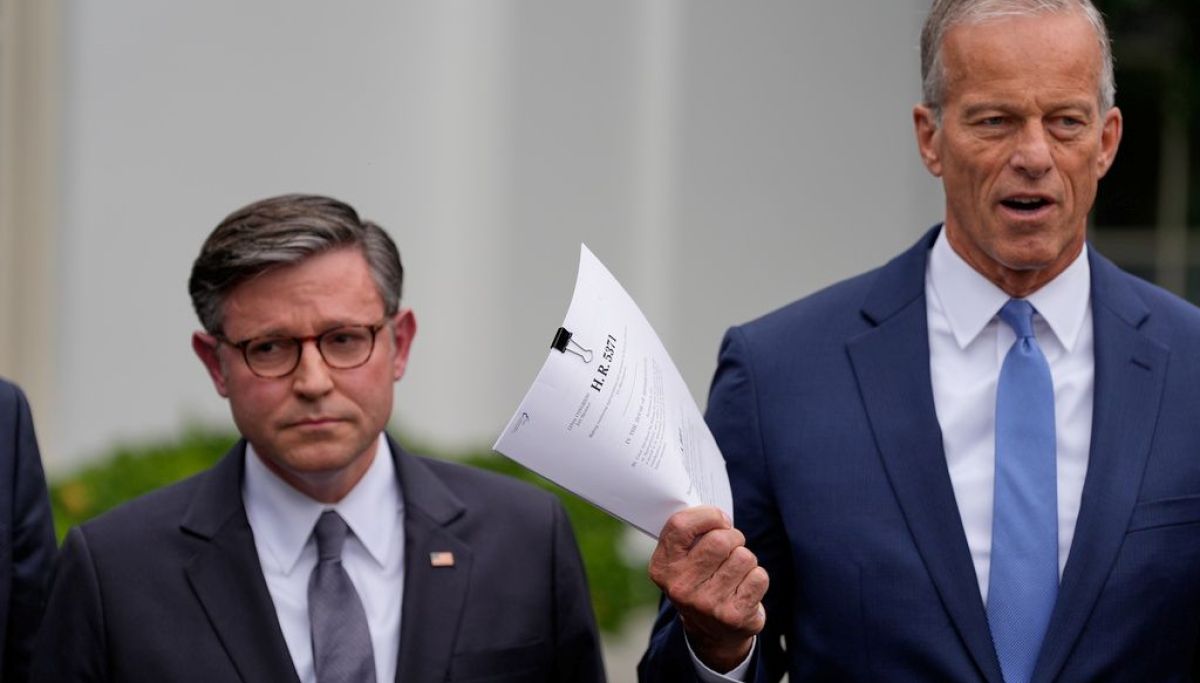
Trump at 32% Approval as Gas Prices Test GOP Midterm Hopes
NYT/Siena polling showed Trump's approval at historic lows around 32 percent with Democrats leading by double digits in key districts. Early voting has surged in battleground states.

Record Early Voting Hits Battlegrounds, Shifting Partisan Shares
AP analysis found hundreds of thousands more early ballots than in 2022 in states including Texas, Ohio, Kansas, Maine, and North Carolina, shifting partisan dynamics.
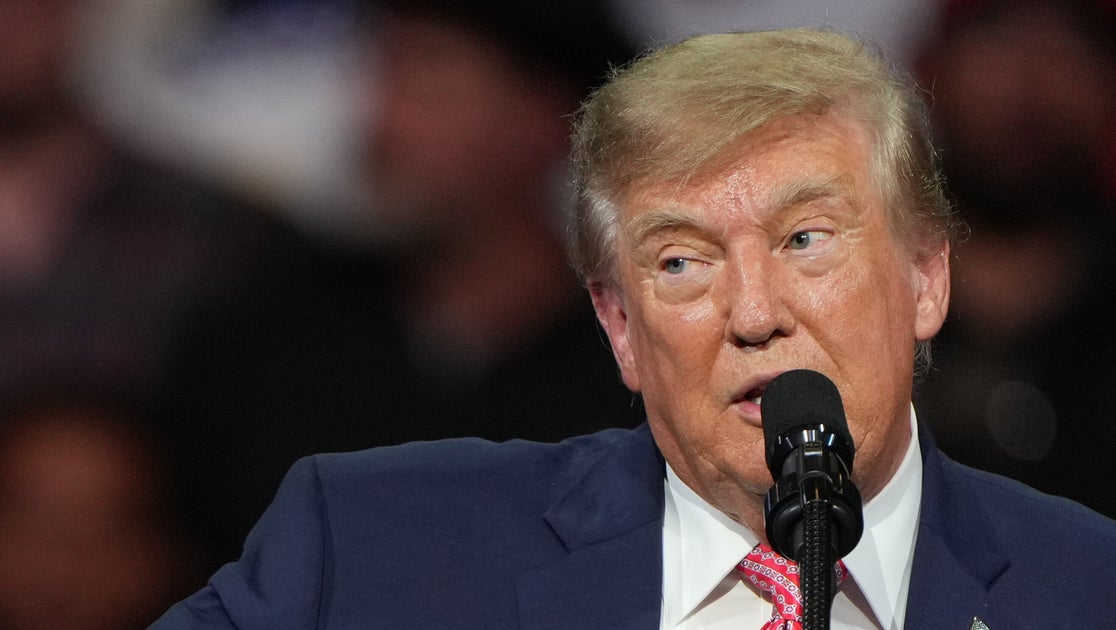
Trump Backs Marshall in Kansas Senate Race Tightened by Farm Costs
President Trump rallied in deep-red Kansas for GOP Sen. Roger Marshall in a competitive race, announcing an $8 billion farm fuel relief program amid high diesel prices. Democrats see an opening to end 94 years of GOP dominance in the state.

Trump Pauses Russia Sanctions Amid Ukraine Tensions and Missile Strikes
Trump waived sanctions on Russia and floated trilateral talks with Putin and Xi as part of ending the Ukraine war, while tensions rose with Zelenskyy over Starlink and arms. Bipartisan senators engaged Zelenskyy amid the shifts.
The Compass
You just read five takes on one story.
What's your take? Find your political shape in a few minutes.
Take the test